
Mission Reports


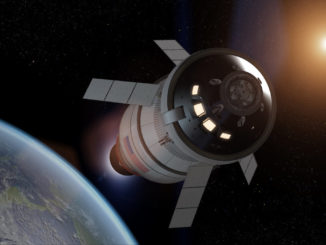

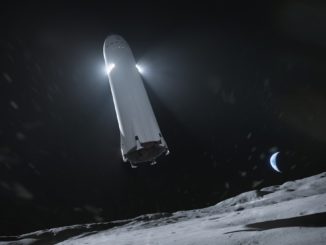
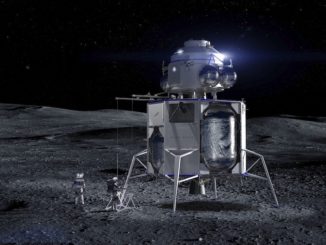
The next time astronauts land on the moon, they will ride to the lunar surface in a spacecraft that looks a lot different than the Apollo-era landing module last used in 1972. Lander concepts proposed by SpaceX, Blue Origin and Dynetics — which won a combined $967 million in NASA funding Thursday — take wildly different approaches to carrying crews to the moon.
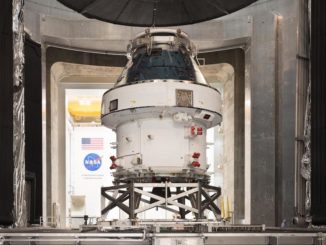
The Orion spacecraft slated to fly around the moon on an unpiloted mission next year has arrived back at the Kennedy Space Center following an environmental test campaign in Ohio, ready for a series of final checkouts before officials pause launch preparations this summer to await readiness of NASA’s Space Launch System.
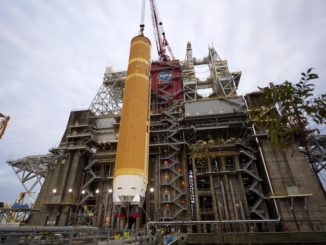
NASA announced Thursday that work on the Space Launch System heavy-lift rocket and Orion crew capsule at facilities in Louisiana and Mississippi is being halted due to the spreading coronavirus pandemic, a stoppage that could force further delays on the already behind-schedule and over-budget programs. Meanwhile, NASA officials are making plans to continue working on the agency’s next Mars rover to keep it on schedule for launch later this year, even if the virus forces further closures.
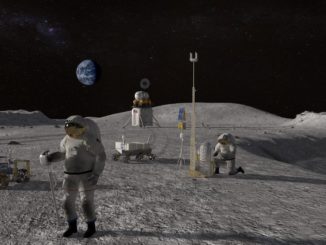
The Trump administration is requesting $25.2 billion for NASA in fiscal 2021, a 12 percent increase that includes $3.3 billion to kickstart development of a human-rated lander for the Artemis moon program. Nearly half of the budget request, $12.3 billion, is devoted to new and ongoing projects focused on the return to the moon and eventual flights to Mars.

© 1999-2026 Spaceflight Now Inc