February 23, 2026
Spaceflight Now
  • Home
  • News Archive
  • Launch Schedule
  • Mission Reports
    • Antares Launcher
    • Ariane 5
    • Atlas 5
    • Delta 4
    • Falcon 9
    • Falcon Heavy
    • H-2A
    • Soyuz
    • Space Station
  • Members
    • Sign in
    • Become a member
    • Members Content
  • Live
  • Shop
Breaking News
  • [ February 21, 2026 ] SpaceX’s most-flown Falcon booster launches on record 33rd flight Falcon 9
  • [ February 21, 2026 ] NASA’s Artemis 2 rocket hit by new problem expected to bump moonshot into early April Artemis
  • [ February 20, 2026 ] Falcon 9 launches 25 Starlink satellites after weather delays Falcon 9
  • [ February 20, 2026 ] Moon mission fueling test concludes with no major problems Artemis
  • [ February 19, 2026 ] Independent report sharply criticizes NASA management, Boeing for troubled Starliner flight Mission Reports

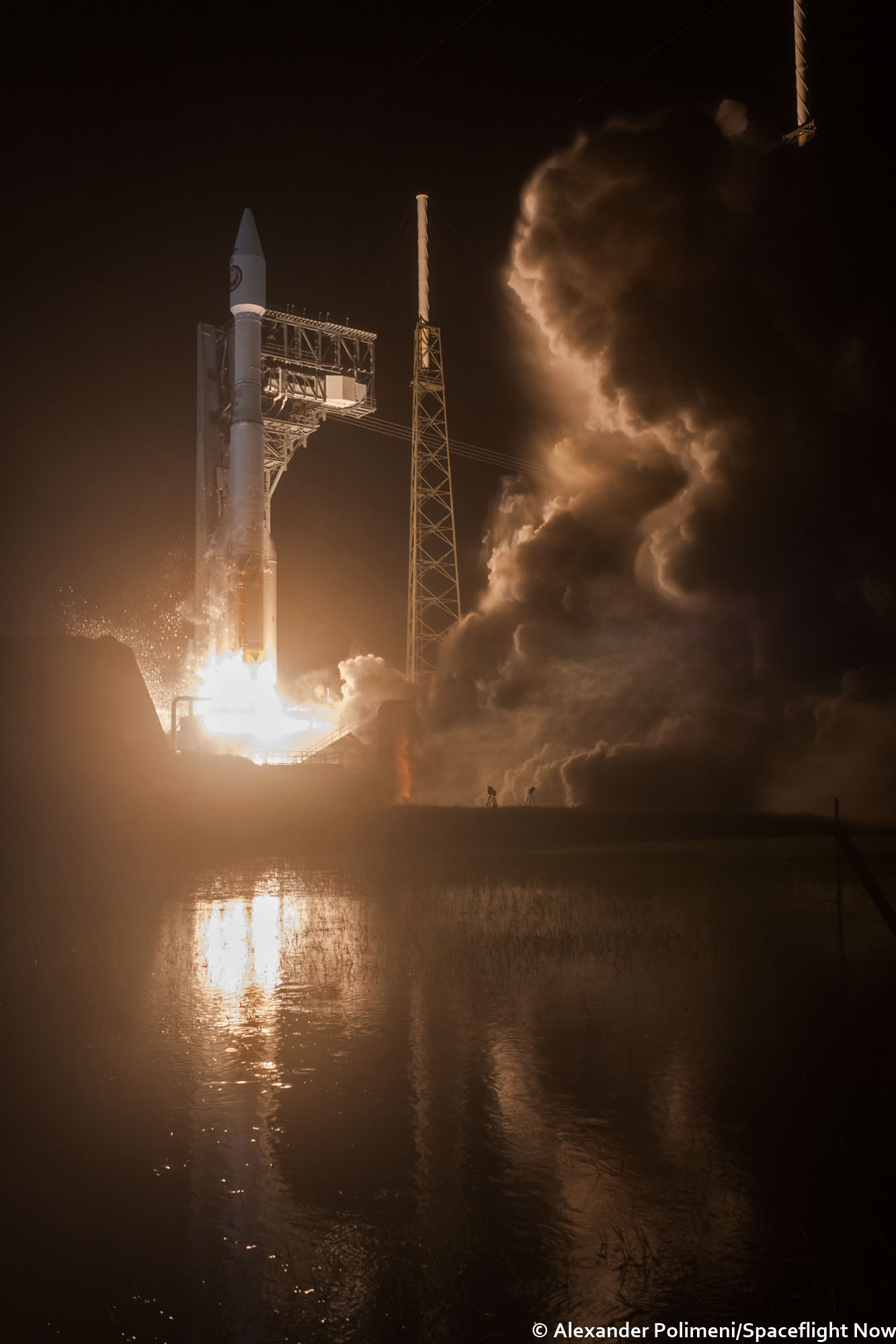
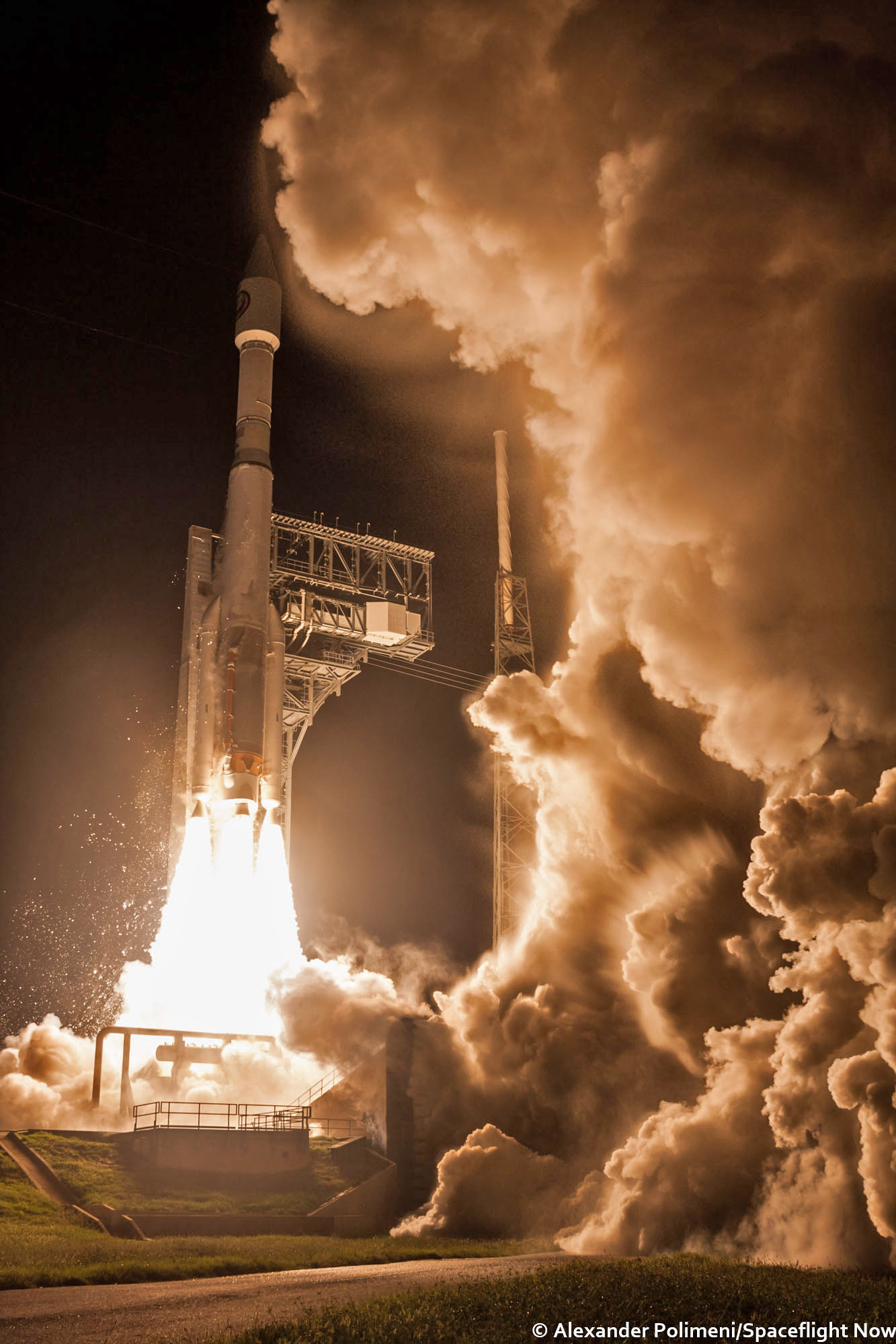
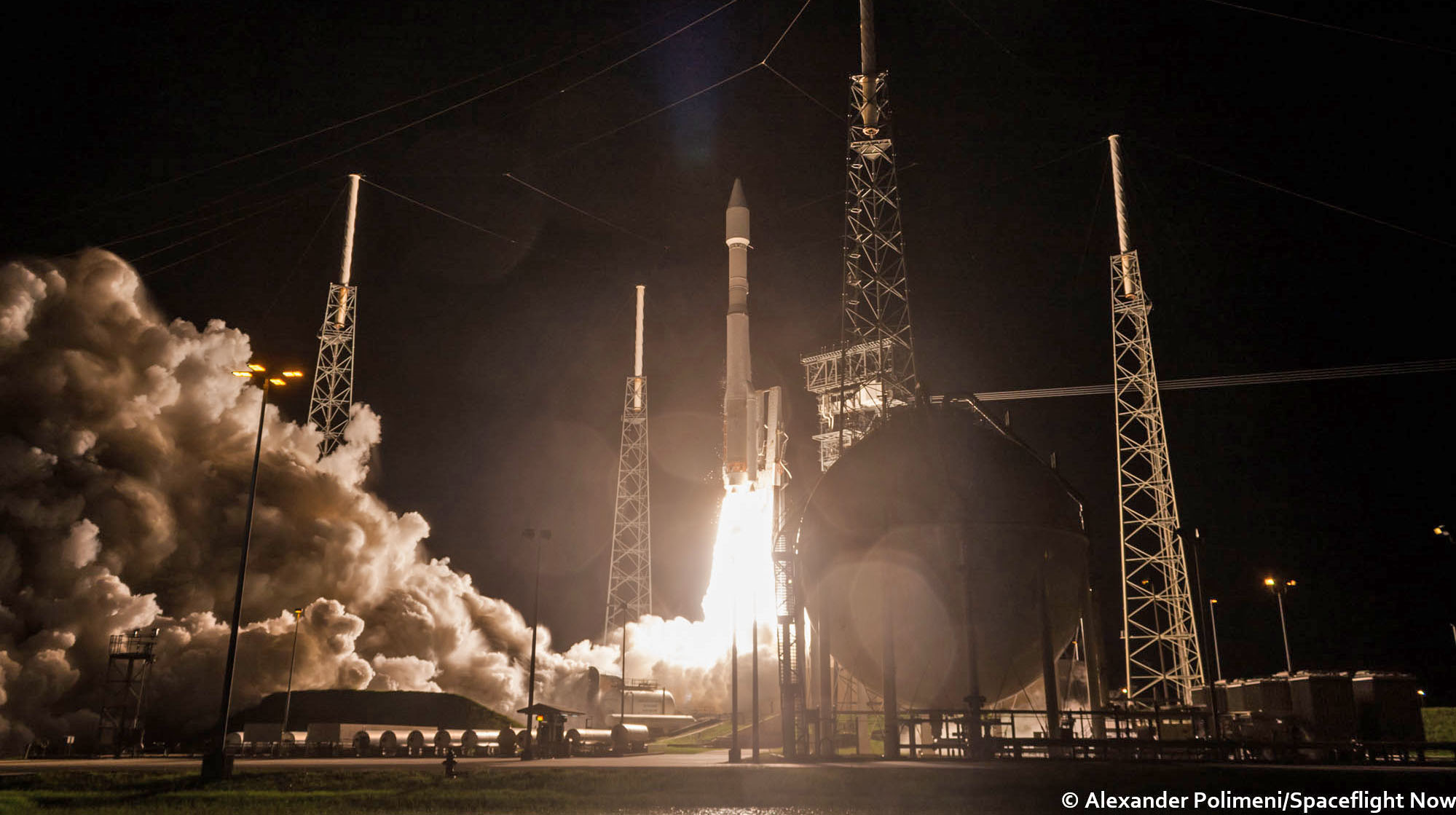
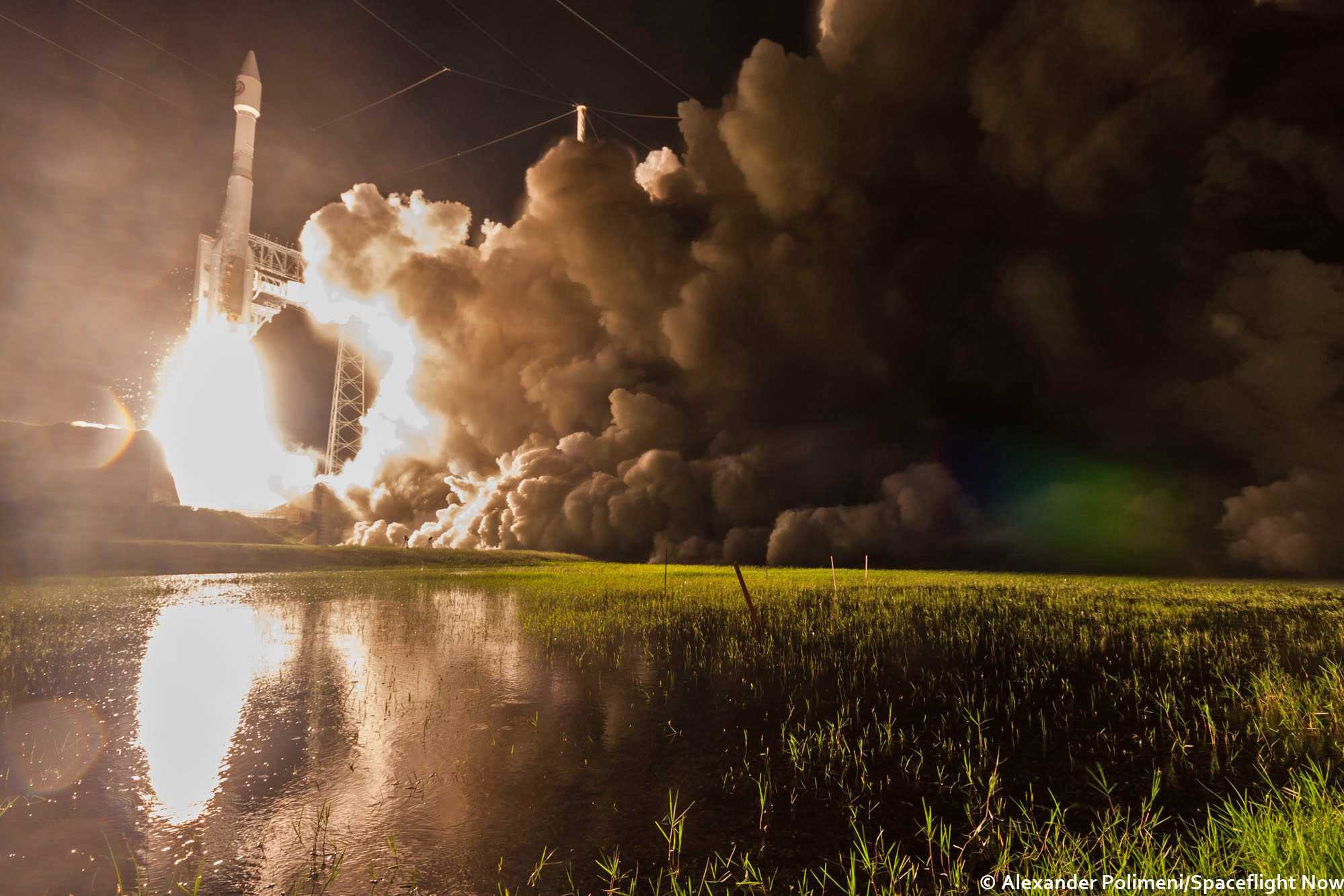
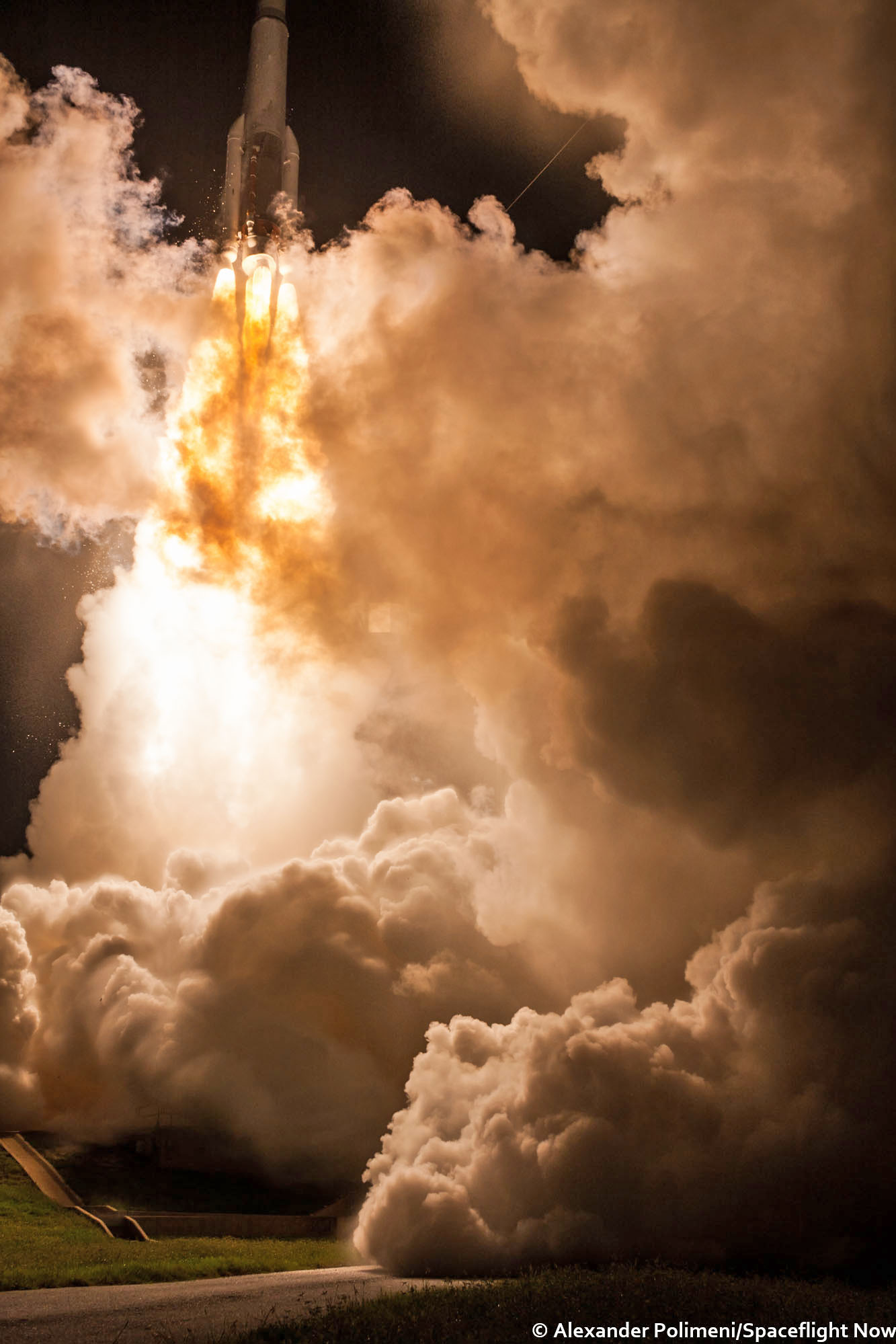
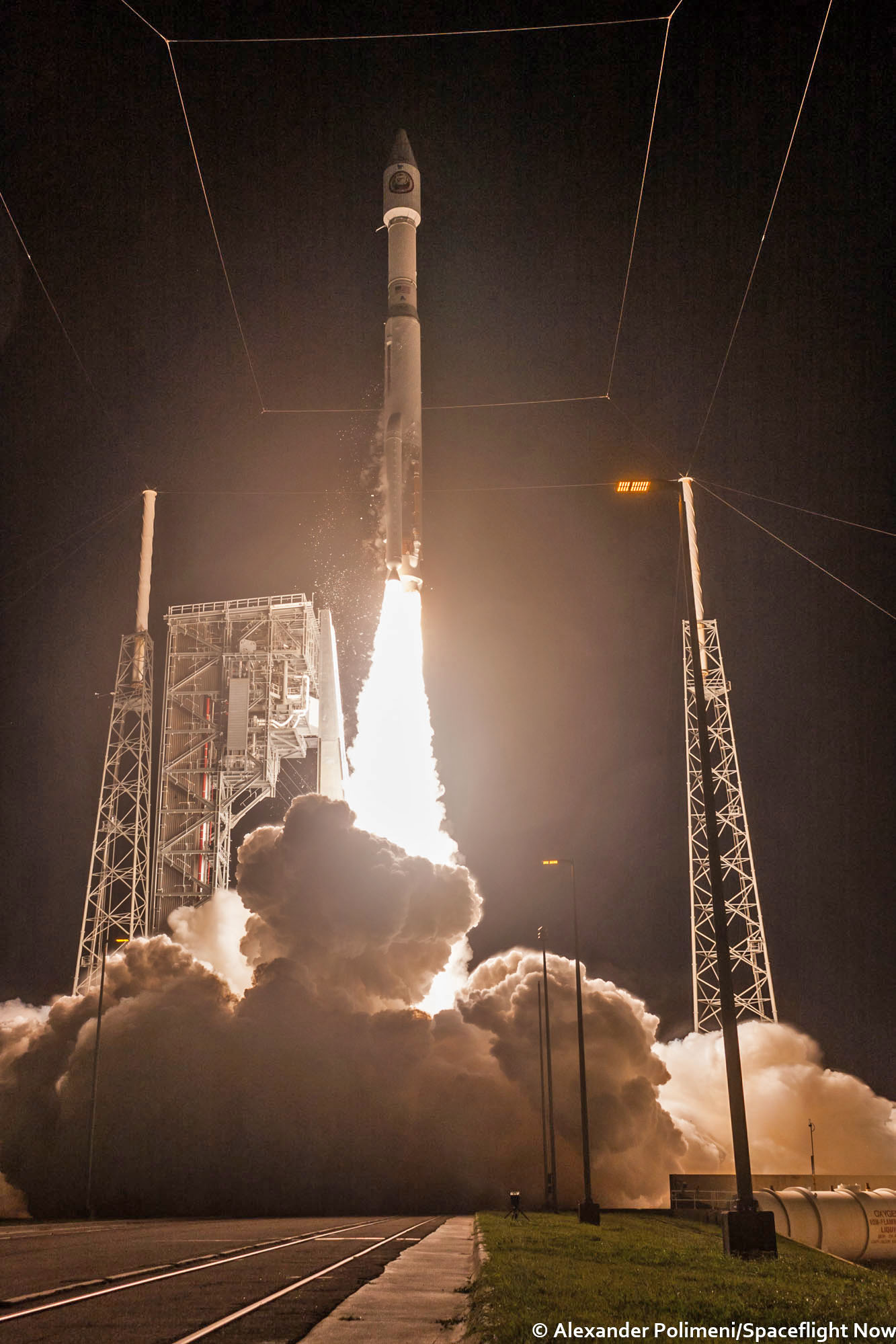
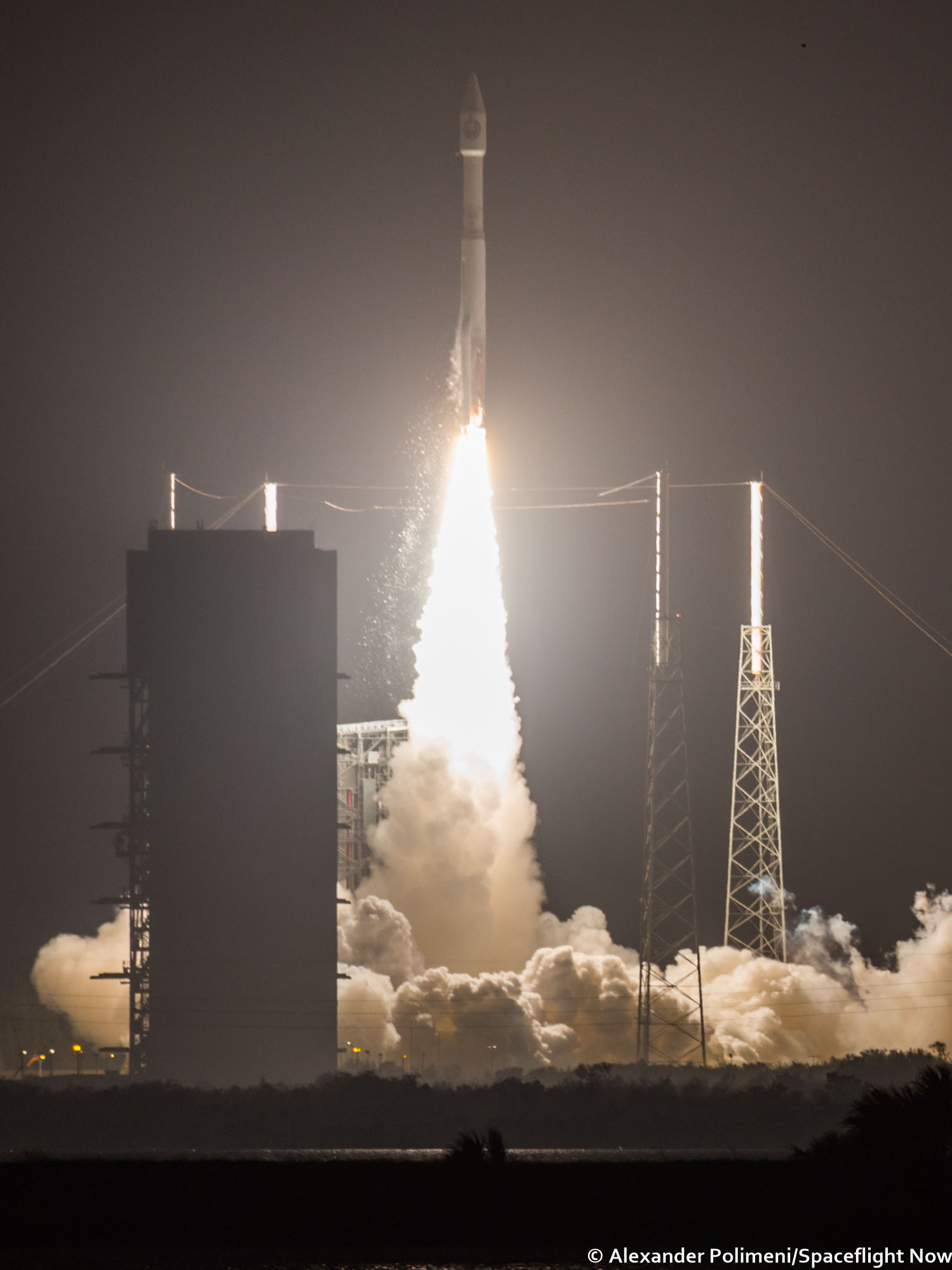
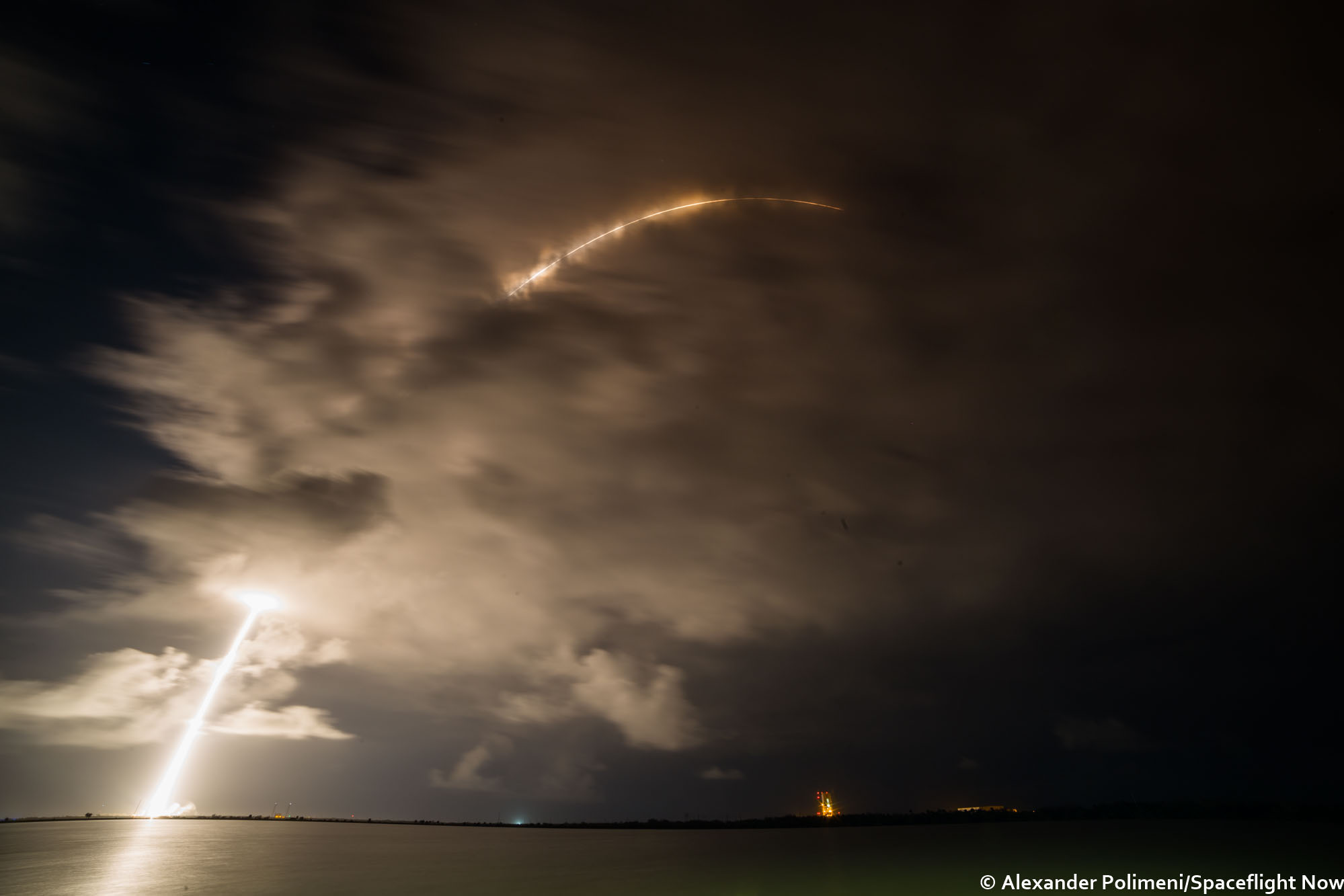
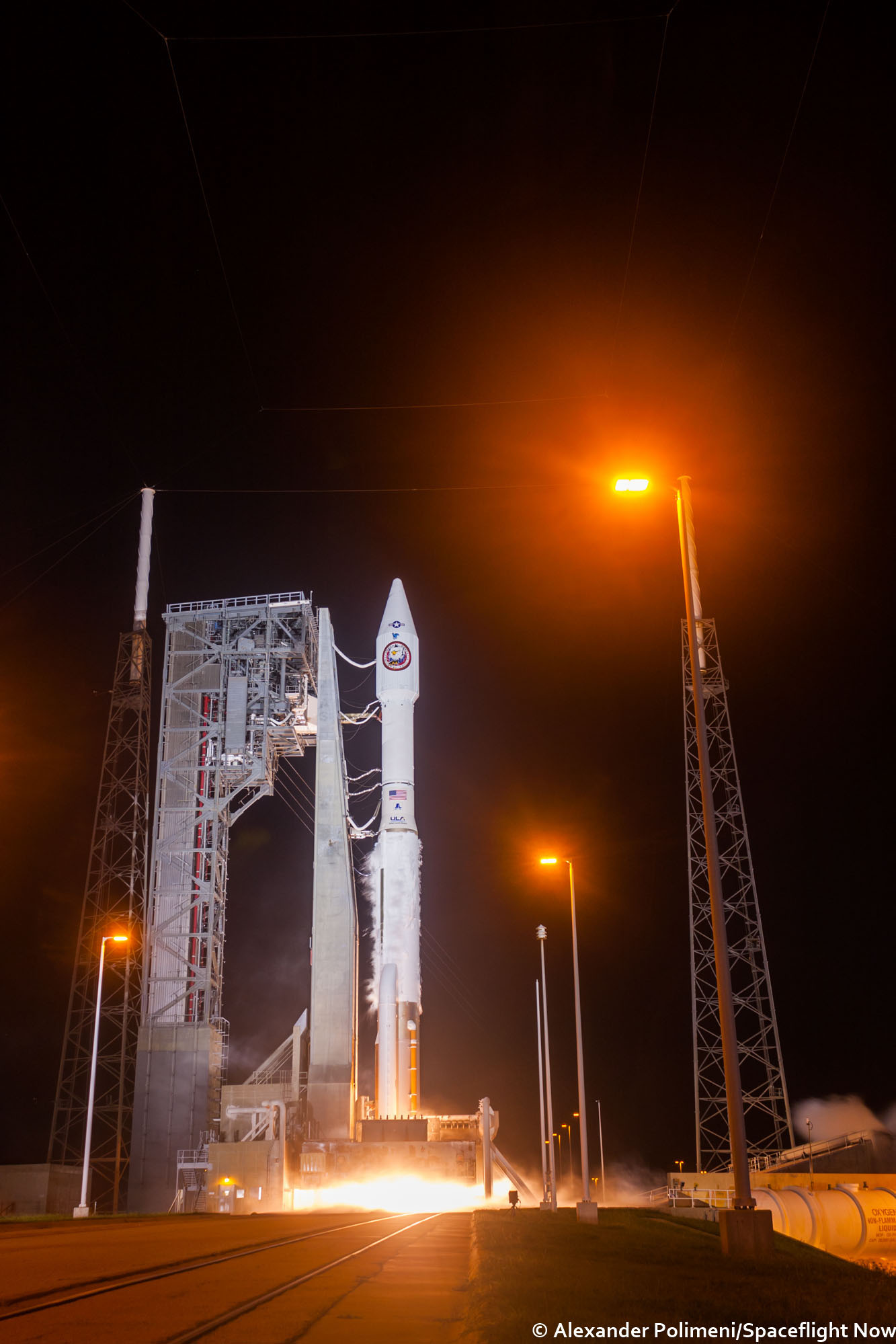
Photos: News media shots of the NROL-52 liftoff

October 15, 2017 Justin Ray

Cape Canaveral was the point of origination for the United Launch Alliance Atlas 5 rocket and the classified NROL-52 payload.

Photo Credit: Alex Polimeni/Spaceflight Now

See earlier NROL-52 coverage.
  • Atlas 5
  • AV-075
  • Launch
  • National Reconnaissance Office
  • NROL-52
  • United Launch Alliance

Related Articles

Falcon Heavy

Watch a video replay of the Falcon Heavy’s first night launch

June 25, 2019 Stephen Clark

This video replay shows the liftoff of SpaceX’s Falcon Heavy rocket from the Kennedy Space Center in Florida with 5.1 million pounds of thrust, followed by the nearby landing of the launcher’s twin side boosters nine minutes later. The rocket’s center core missed a landing attempt on SpaceX’s offshore drone ship.

Mission Reports

Live coverage: NASA’s ICON satellite successfully launched

October 9, 2019 Stephen Clark

After a 24-hour delay due to poor weather, an air-launched Northrop Grumman Pegasus XL rocket fired into orbit at 9:59 p.m. EDT Thursday (0159 GMT Friday) after release from a carrier jet at an altitude of 39,000 feet over the Atlantic Ocean northeast of Cape Canaveral. The Pegasus rocket carried NASA’s ICON satellite into orbit to collect measurements of the ionosphere.

Mission Reports

Timeline for Pegasus launch of ICON satellite

November 6, 2018 Stephen Clark

Northrop Grumman’s Pegasus XL rocket will take about 11 minutes to place NASA’s Ionospheric Connection Explorer, or ICON, satellite into a roughly 357-mile-high (575-kilometer) orbit after an airborne launch off Florida’s east coast.

News Headlines

  • SpaceX’s most-flown Falcon booster launches on record 33rd flight
    February 21, 2026
  • NASA’s Artemis 2 rocket hit by new problem expected to bump moonshot into early April
    February 21, 2026
  • Falcon 9 launches 25 Starlink satellites after weather delays
    February 20, 2026
  • Moon mission fueling test concludes with no major problems
    February 20, 2026
  • Independent report sharply criticizes NASA management, Boeing for troubled Starliner flight
    February 19, 2026
  • SpaceX launches second Falcon 9 rocket to return to a landing in The Bahamas
    February 19, 2026
  • NASA to attempt second full fueling test of its Space Launch System rocket
    February 17, 2026
  • SpaceX launches predawn Starlink mission on President’s Day
    February 15, 2026
  • Replacement crew docks at space station, boosts crew back to seven
    February 15, 2026
  • SpaceX launches 600th Falcon 9 rocket to date with Starlink flight from Vandenberg
    February 14, 2026
  • Home
  • News Archive
  • Launch Schedule
  • Mission Reports
    • Antares Launcher
    • Ariane 5
    • Atlas 5
    • Delta 4
    • Falcon 9
    • Falcon Heavy
    • H-2A
    • Soyuz
    • Space Station
  • Members
    • Sign in
    • Become a member
    • Members Content
  • Live
  • Shop

© 1999-2026 Spaceflight Now Inc