Mission Reports


With thrilling cosmic clockwork, the moon will pass in front of the sun Monday, casting a 70-mile-wide shadow that will sweep across the United States from coast to coast, giving millions along the “path of totality” a chance to marvel at one of nature’s grandest spectacles, a total eclipse of the sun.
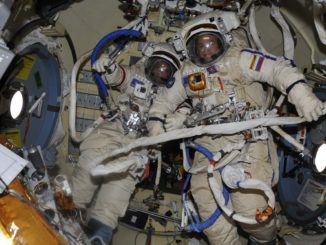
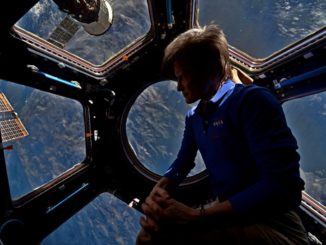
The International Space Station’s crew will enjoy views of the Aug. 21 solar eclipse during three successive orbits, giving the astronauts a unique opportunity to take in the celestial show from 250 miles up as the moon’s shadow races across from the Pacific Ocean and the continental United States before moving out over the Atlantic.

A NASA post advertising an opening for a new Planetary Protection Officer provided a field day for headline writers who apparently couldn’t resist having a bit of fun at the agency’s expense by suggesting, in large type, that whoever filled the post would be defending Earth from aliens. And making good money to boot.
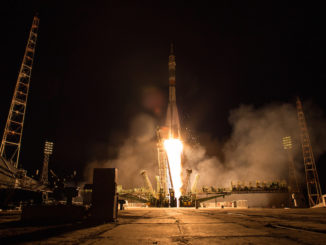
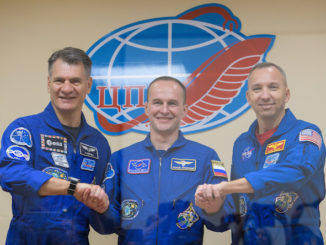
Launch of a Russian Soyuz spacecraft Friday carrying three fresh crew members to the International Space Station will boost the lab’s crew back to six and, most important from NASA’s perspective, dramatically boost research with four crew members — three NASA astronauts and a veteran European flier — available to operate experiments in the American segment of the laboratory.

Processing images from the camera aboard NASA’s Juno spacecraft orbiting Jupiter has turned into a cottage industry of sorts, as rank amateurs, accomplished artists and experienced researchers turn relatively drab “raw” images into shots ranging from whimsical to spectacular and everything in between.
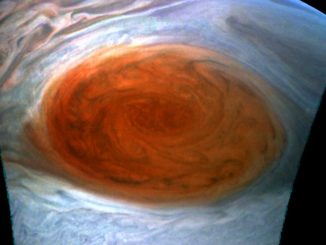
Two days after NASA’s Juno spacecraft streaked over Jupiter’s Great Red Spot, pictures of the solar system’s largest, most powerful storm, have been transmitted to Earth, giving eager scientist close-up views of the 10,000-mile-wide anticyclone where 400-mph winds have been howling for at least 187 years and possibly much longer.
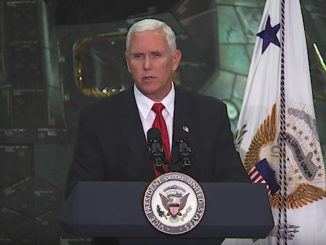
Vice President Mike Pence, chairman of the recently re-established National Space Council, toured the Kennedy Space Center Thursday and vowed to renew American leadership on the high frontier, telling spaceport workers “our nation will return to the moon, and we will put American boots on the face of Mars.”
© 1999-2026 Spaceflight Now Inc