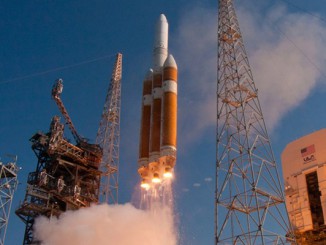
The United Launch Alliance Atlas 5 rocket unleashes two million pounds of thrust at 7:19 p.m. to blast off from Vandenberg Air Force Base in California on the NROL-35 mission.
Credit: Gene Blevins/LA Daily News
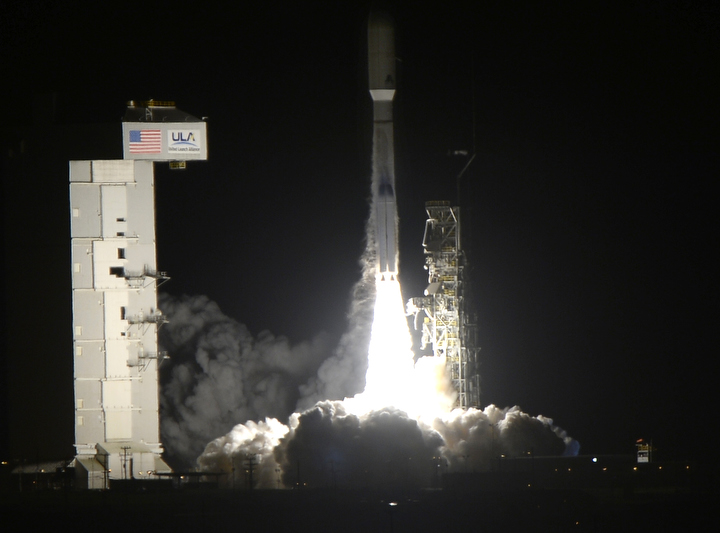
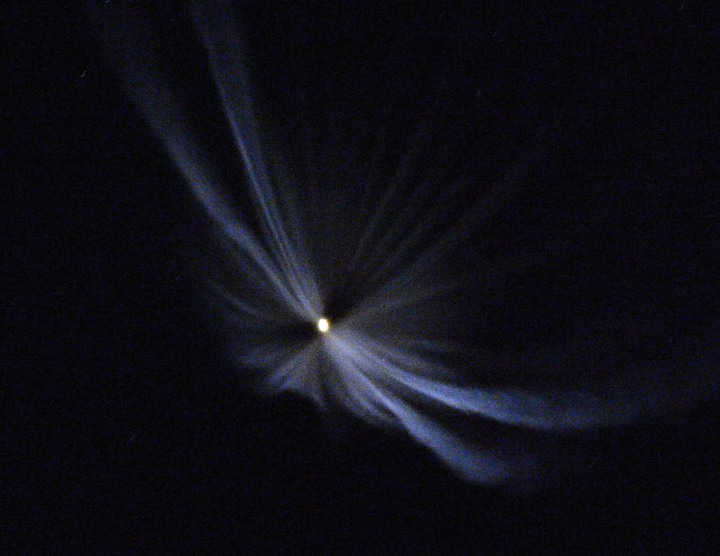
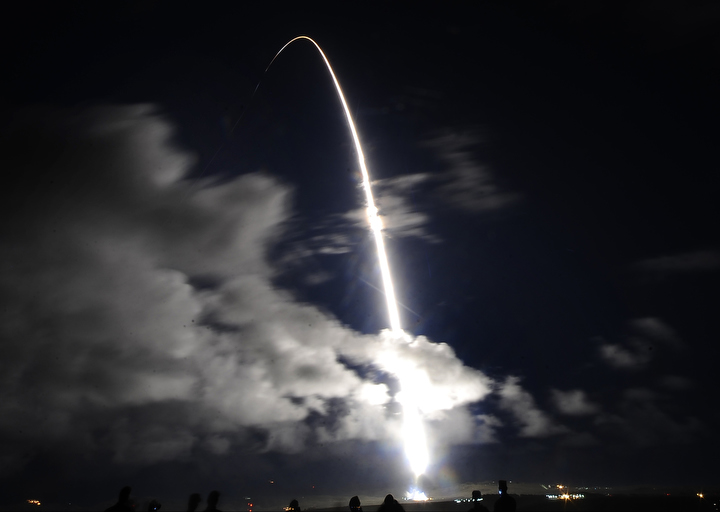

The United Launch Alliance Atlas 5 rocket unleashes two million pounds of thrust at 7:19 p.m. to blast off from Vandenberg Air Force Base in California on the NROL-35 mission.
Credit: Gene Blevins/LA Daily News

The head of the launch enterprise directorate at the U.S. Air Force’s Space and Missile Systems Center, Claire Leon, spoke with reporters March 15 about the military’s award of a GPS launch contract to SpaceX, and she discussed plans for more head-to-head launch contract competitions in the coming months.
© 1999-2026 Spaceflight Now Inc