Follow the key events of the Falcon 9 rocket’s ascent to orbit with five more Iridium Next communications satellite and the U.S.-German GRACE-Follow On climate research mission.
The 229-foot-tall (70-meter) rocket will lift off Friday at 12:47:58 p.m. PDT (3:47:58 p.m. EDT; 1947:58 GMT) Tuesday from Vandenberg Air Force Base in California.
SpaceX will not attempt to recover the first stage on Tuesday’s mission.
Data source: SpaceX
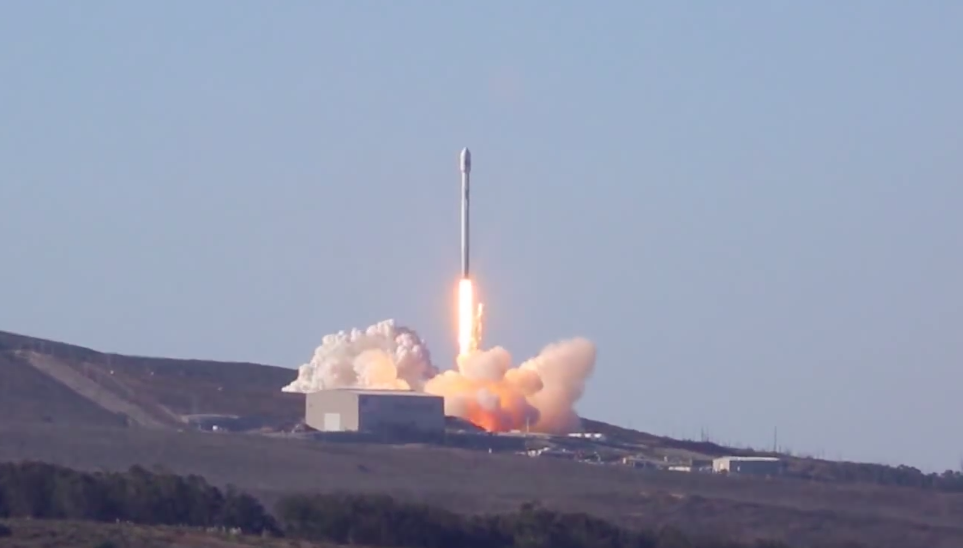
T-0:00:00: Liftoff
After the rocket’s nine Merlin 1D engines pass an automated health check, the Falcon 9 is released from Space Launch Complex 4-East at Vandenberg Air Force Base, California.
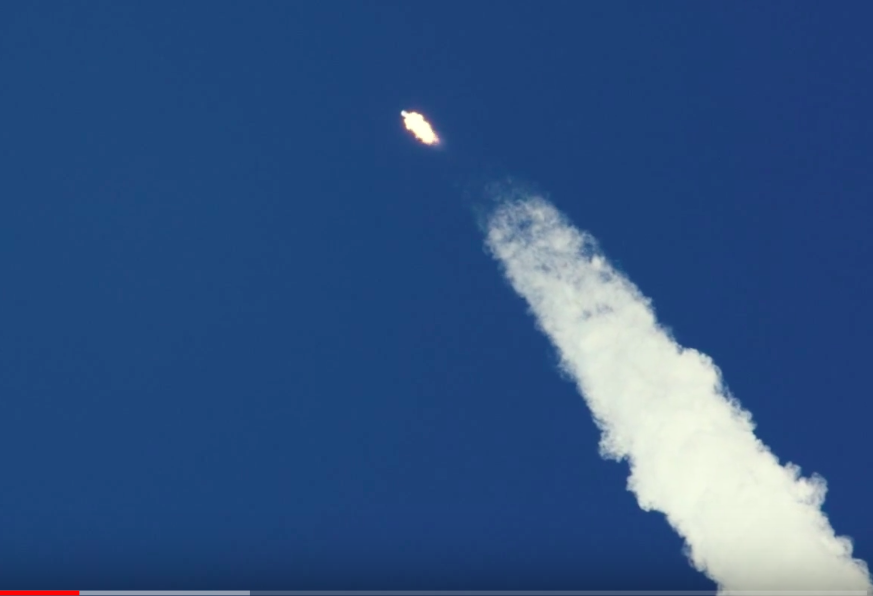
T+0:01:19: Max-Q
The Falcon 9 rocket reaches Max Q, the point of maximum aerodynamic pressure. The first stage’s nine Merlin 1D engines produce about 1.7 million pounds of thrust.
T+0:02:46: MECO
The Falcon 9’s nine Merlin 1D engines shut down.
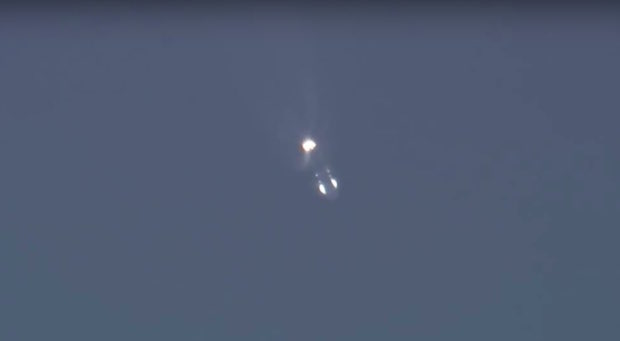
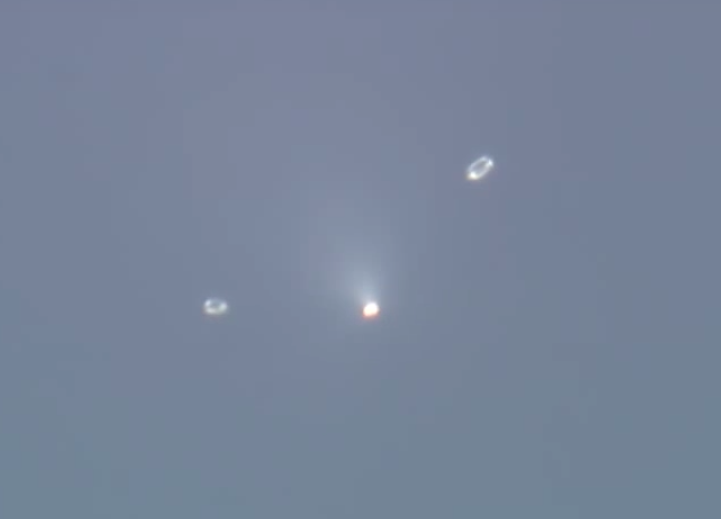
T+0:02:49: Stage 1 Separation
The Falcon 9’s first stage separates from the second stage moments after MECO.
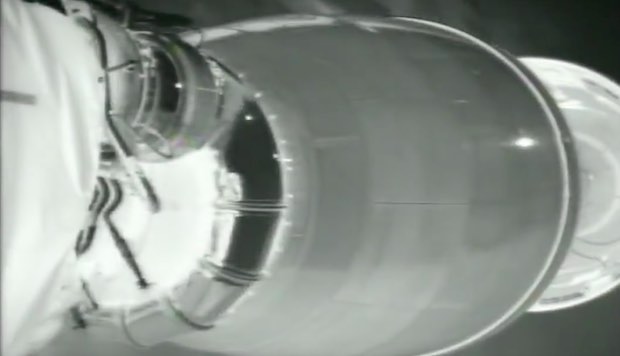
T+0:02:57: Stage 2 Ignition
The second stage Merlin 1D vacuum engine ignites for an approximately 6-and-a-half-minute burn to inject the Iridium Next and GRACE-Follow On satellites into a parking orbit.
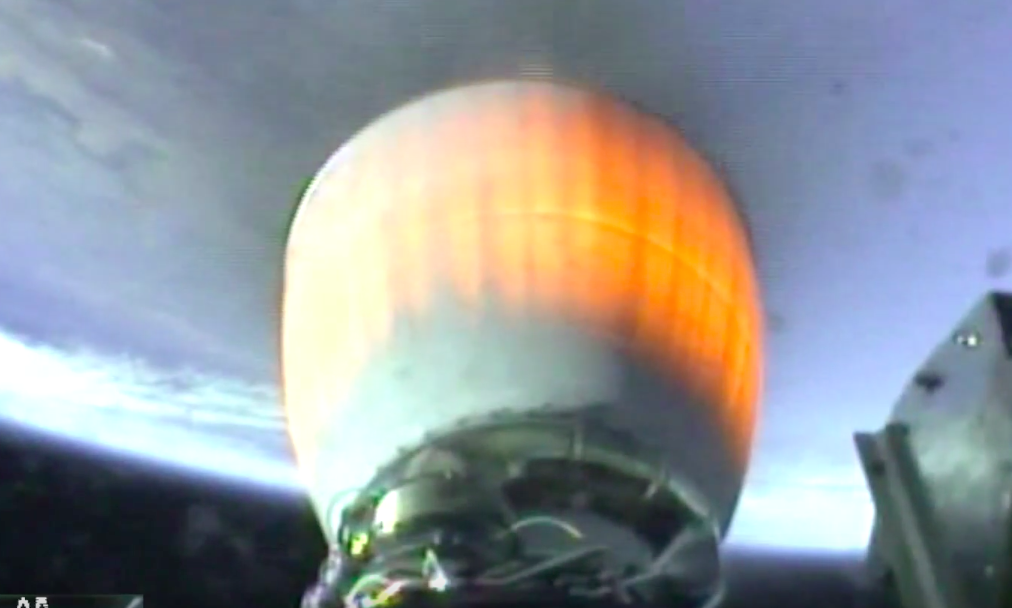
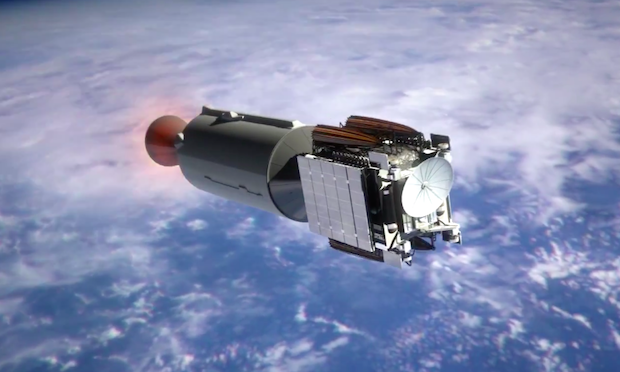
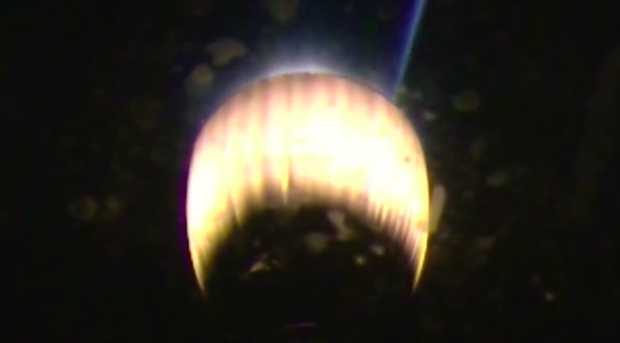
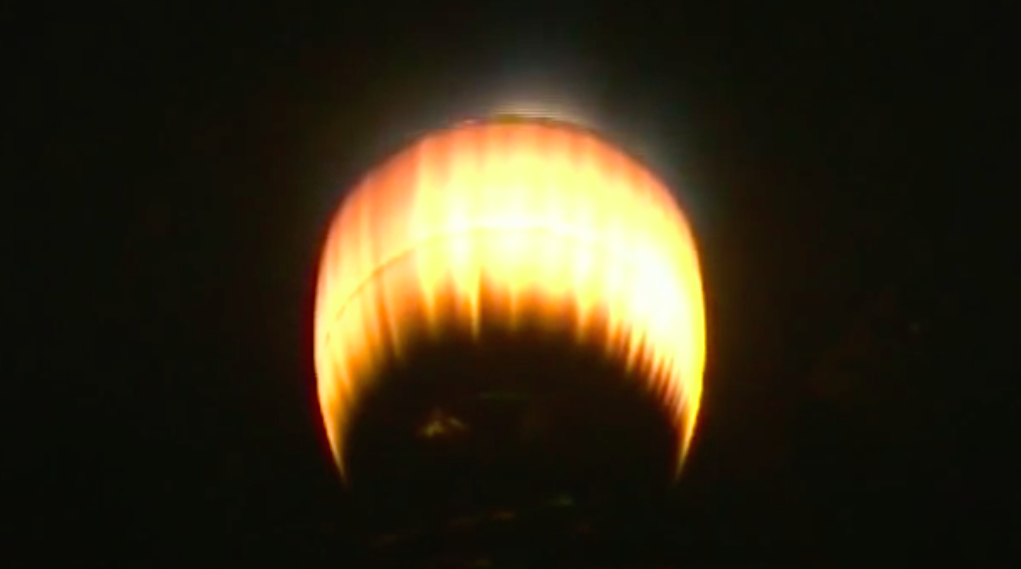
T+0:03:12: Fairing Jettison
The 5.2-meter (17.1-foot) diameter payload fairing jettisons once the Falcon 9 rocket ascends through the dense lower atmosphere. The 43-foot-tall fairing is made of two clamshell-like halves composed of carbon fiber with an aluminum honeycomb core.
T+0:10:13: SECO 1
The Merlin 1D vacuum engine turns off after placing the Iridium and GRACE-Follow On satellites into the first of two targeted orbits at an altitude of around 304 miles (490 kilometers) and an inclination of 89 degrees.
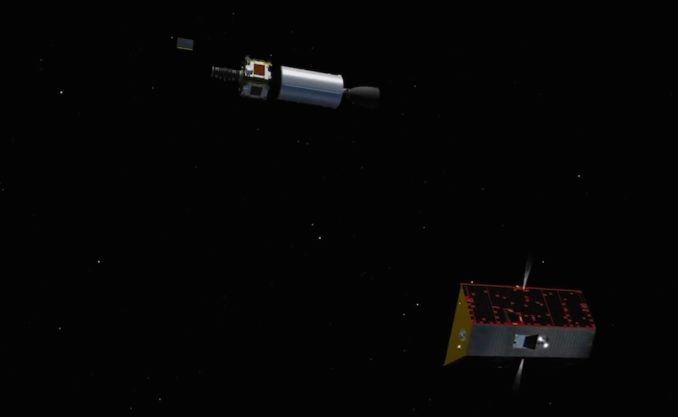
T+0:11:33: GRACE-Follow On Separation
The twin 1,323-pound (600-kilogram) GRACE-Follow On satellites separate in opposite directions from the Falcon 9 rocket’s second stage.
T+0:56:55: Stage 2 Restart
The Falcon 9’s second stage engine ignites again for an 8-second burn to raise its orbit to around 372 miles (600 kilometers) in altitude and adjust its inclination to better align with the Iridium satellite constellation orbiting at an angle of 86.4 degrees to the equator.
T+0:57:03: SECO 2
The Merlin 1D vacuum engine shuts down after its brief restart.
T+1:05:48: Begin Iridium Deployments
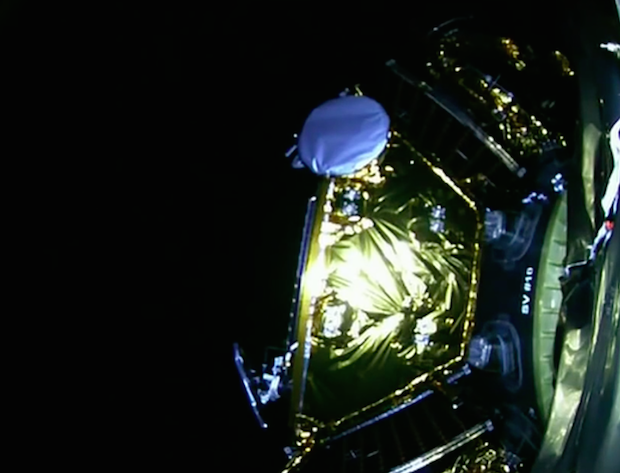
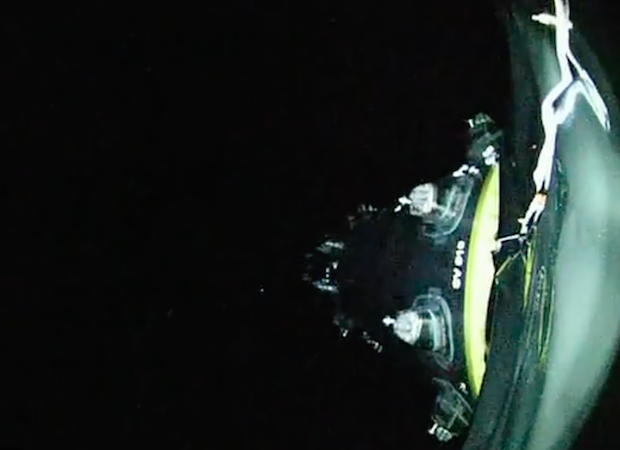
The 1,896-pound (860-kilogram) Iridium Next satellites begin deploying from their dispenser on the Falcon 9 rocket’s second stage, separating at intervals of approximately every 90 seconds.
T+1:12:28: End Iridium Deployments
The last of the five Iridium Next satellites will separate from the rocket.
Maintaining a rapid-fire launch cadence to close out the year, China added two more Beidou satellites to its independent positioning, navigation and timing fleet Saturday with a successful launch aboard a Long March 3B rocket.
A Chinese Long March 2C rocket launched Monday with two satellites for Pakistan’s national space agency, extending a partnership between the two countries’ space programs.
Four magnetic explosion probes in a towering stack atop an Atlas 5 rocket rode a fountain of flame off the launch pad and into Earth orbit Thursday night for a $1.1 billion NASA science investigation into a universal force of nature.