EDITOR’S NOTE: Updated Jan. 7 for new launch date and launch pad.
SpaceX’s next Falcon 9 booster is being readied for liftoff from Cape Canaveral, but most of the launcher’s ascent into orbit will be under a news blackout at the request of the U.S. government customer that owns the top secret Zuma payload fastened to the top of the rocket.
The 229-foot-tall (70-meter) rocket is poised for launch from pad 40 at Cape Canaveral Air Force Station in Florida.
The timeline of upper stage events after the release of the rocket’s payload fairing, scheduled for T+plus 3 minutes, 8 seconds, has not been released. SpaceX’s live coverage of the second stage’s progress is expected to conclude at that point of the mission.
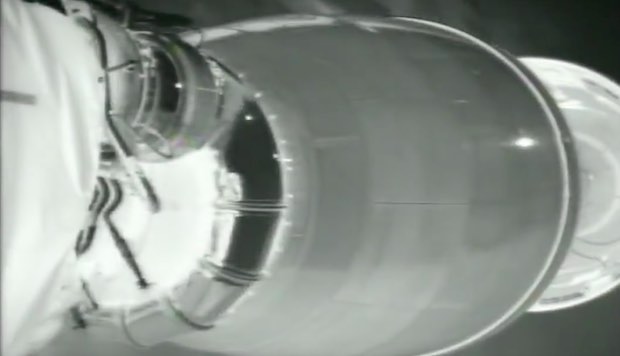
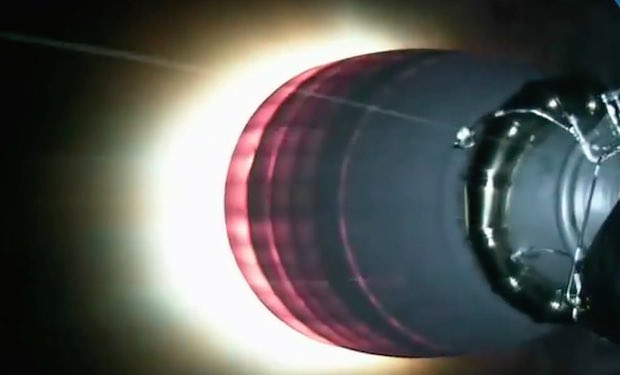
Meanwhile, the rocket’s first stage booster will flip around with the aid of cold gas thrusters, then reignite a subset of its engines for re-entry and landing burns, aiming for a vertical touchdown at Landing Zone 1 at Cape Canaveral Air Force Station, around 6 miles (9 kilometers) south of pad 40.
Data source: SpaceX
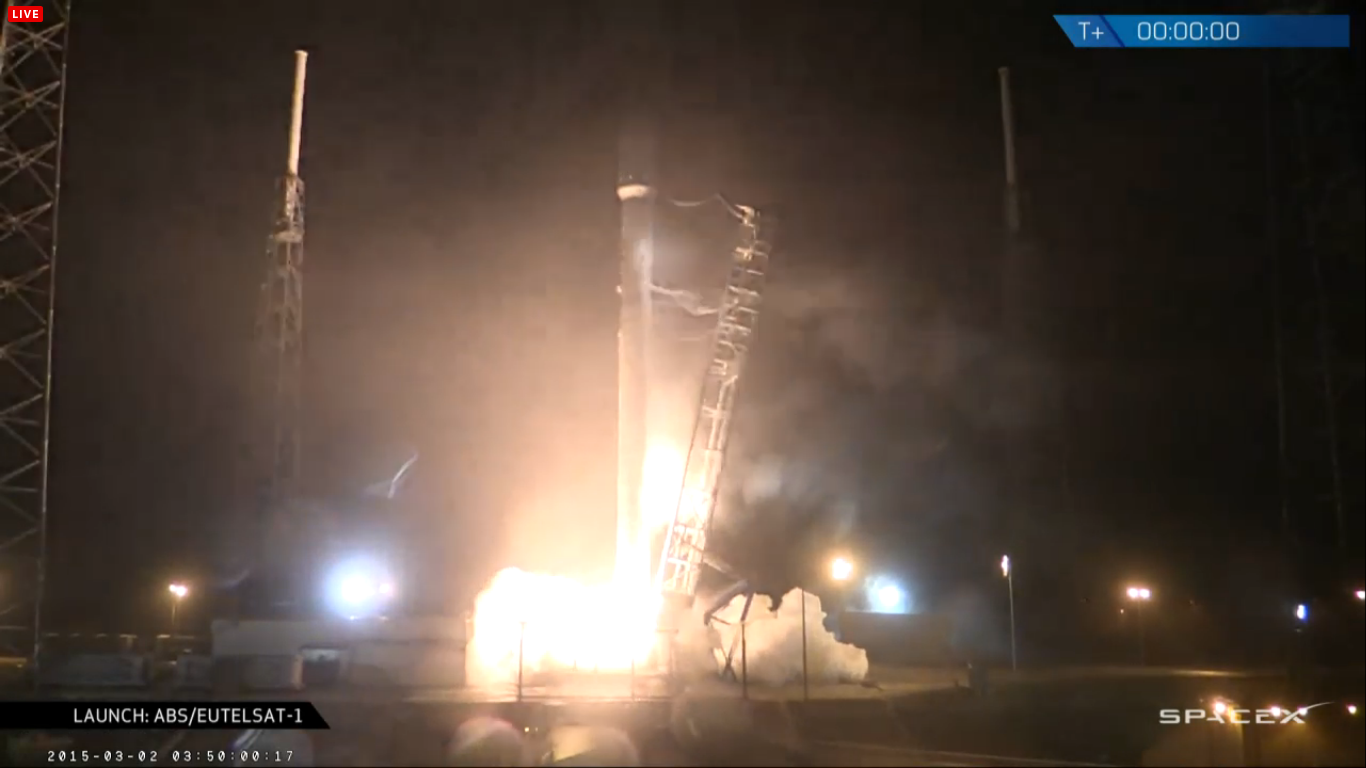
T-0:00:00: Liftoff
After the rocket’s nine Merlin engines pass an automated health check, hold-down clamps will release the Falcon 9 booster for liftoff from pad 40.
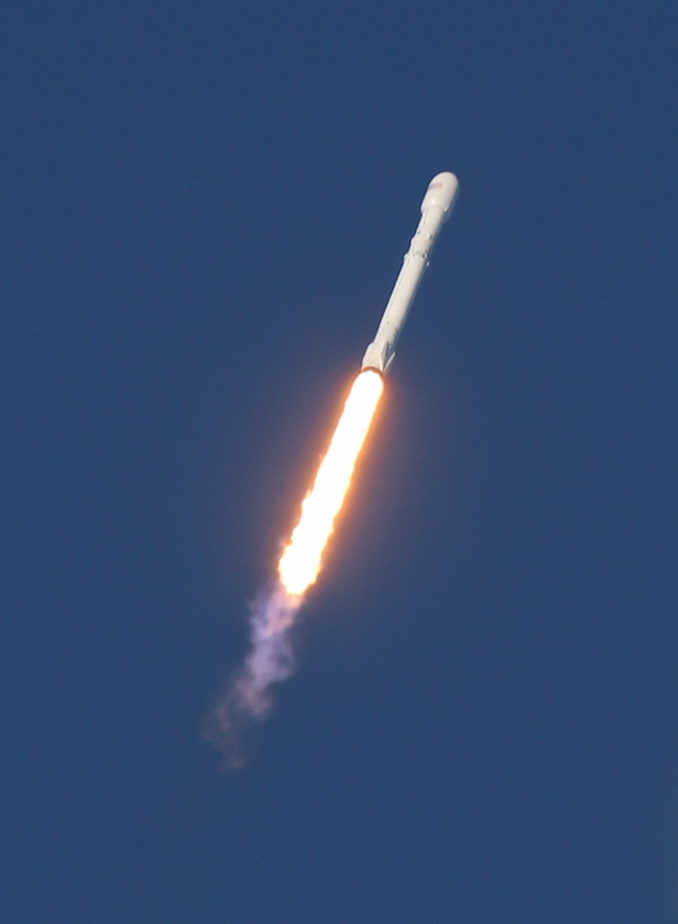
T+0:01:10: Mach 1
The Falcon 9 rocket reaches Mach 1, the speed of sound, as the nine Merlin 1D engines provide more than 1.7 million pounds of thrust.
T+0:01:16: Max Q
The Falcon 9 rocket reaches Max Q, the point of maximum aerodynamic pressure.
T+0:02:20: MECO
The Falcon 9’s nine Merlin 1D engines shut down.
T+0:02:24: Stage 1 Separation
The Falcon 9’s first stage separates from the second stage moments after MECO.
T+0:02:25: Ignition of Second Stage
The second stage Merlin 1D vacuum engine ignites to place the Zuma payload into orbit.
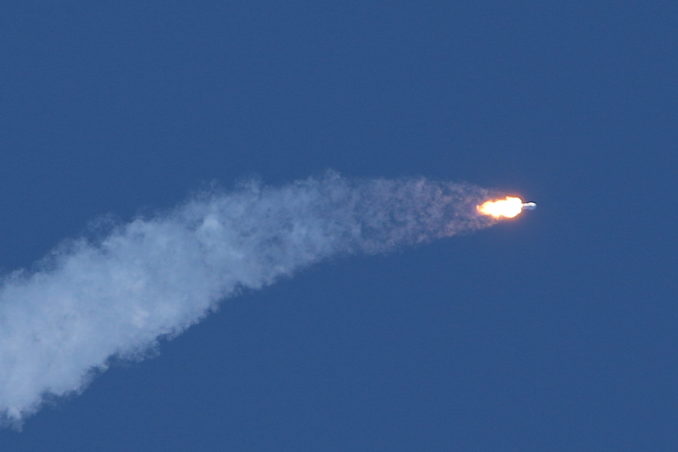
T+0:02:33: Stage 1 Boostback Burn
A subset of the first stage’s Merlin 1D engines ignite to reverse course and send the booster back toward Cape Canaveral.
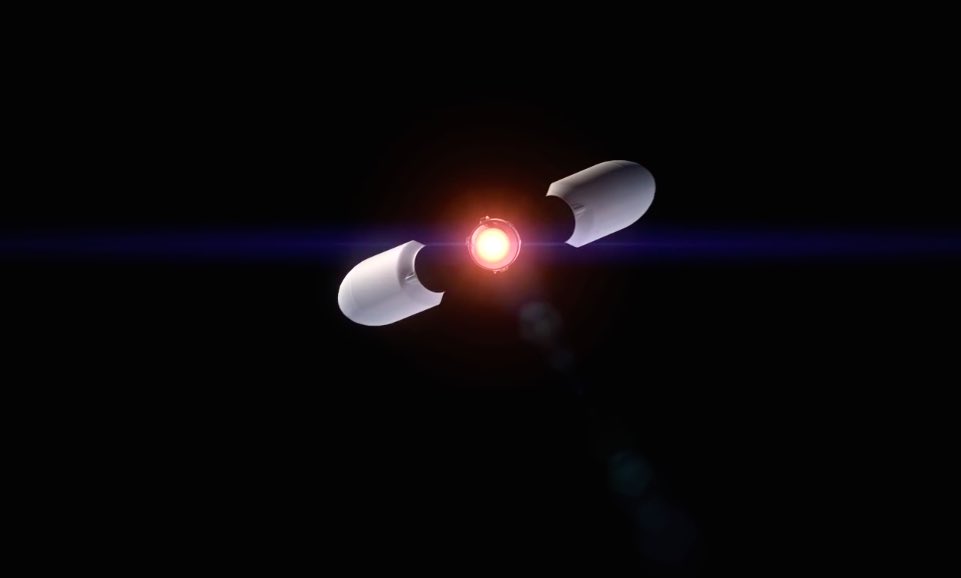
T+0:03:08: Fairing Jettison
The 5.2-meter (17.1-foot) diameter payload fairing jettisons once the Falcon 9 rocket ascends through the dense lower atmosphere. The 43-foot-tall fairing is made of two clamshell-like halves composed of carbon fiber with an aluminum honeycomb core. The rest of the rocket’s ascent into orbit will not be broadcast by SpaceX at the customer’s request, and further details about the mission timeline have not been released.
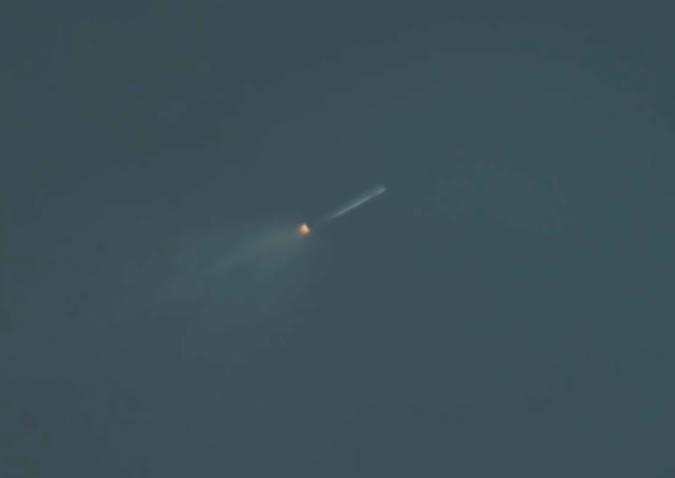
T+0:06:15: Stage 1 Entry Burn
A subset of the first stage’s Merlin 1D engines ignite for an entry burn to slow down for landing. A final landing burn will occur just before touchdown.
T+0:07:56: Stage 1 Landing
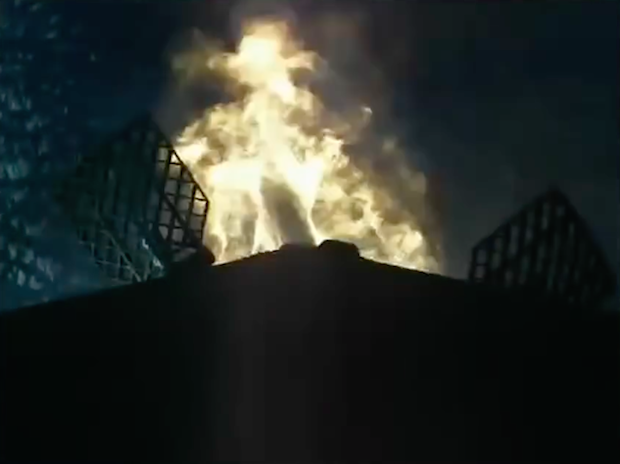
The Falcon 9 rocket’s first stage booster touches down at Landing Zone 1 at Cape Canaveral Air Force Station.
SpaceX’s Falcon 9 rocket and Crew Dragon spacecraft emerged from the company’s hangar at the Kennedy Space Center early Thursday for the quarter-mile trip up the ramp to historic Launch Complex 39A, ready for final testing before liftoff on the first U.S. mission to carry astronauts into orbit in nearly nine years.
Christopher Ferguson, commander of the final space shuttle flight and now a Boeing executive, has stepped down as commander of the first piloted test flight of the company’s troubled CST-100 Starliner commercial spacecraft, he and Boeing announced Wednesday. He has been replaced by NASA astronaut Barry “Butch” Wilmore.
A SpaceX Falcon 9 rocket fired its nine first stage engines for a brief hold-down firing Friday at Cape Canaveral, passing a key milestone before launch July 24 with a Dragon space station resupply ship.