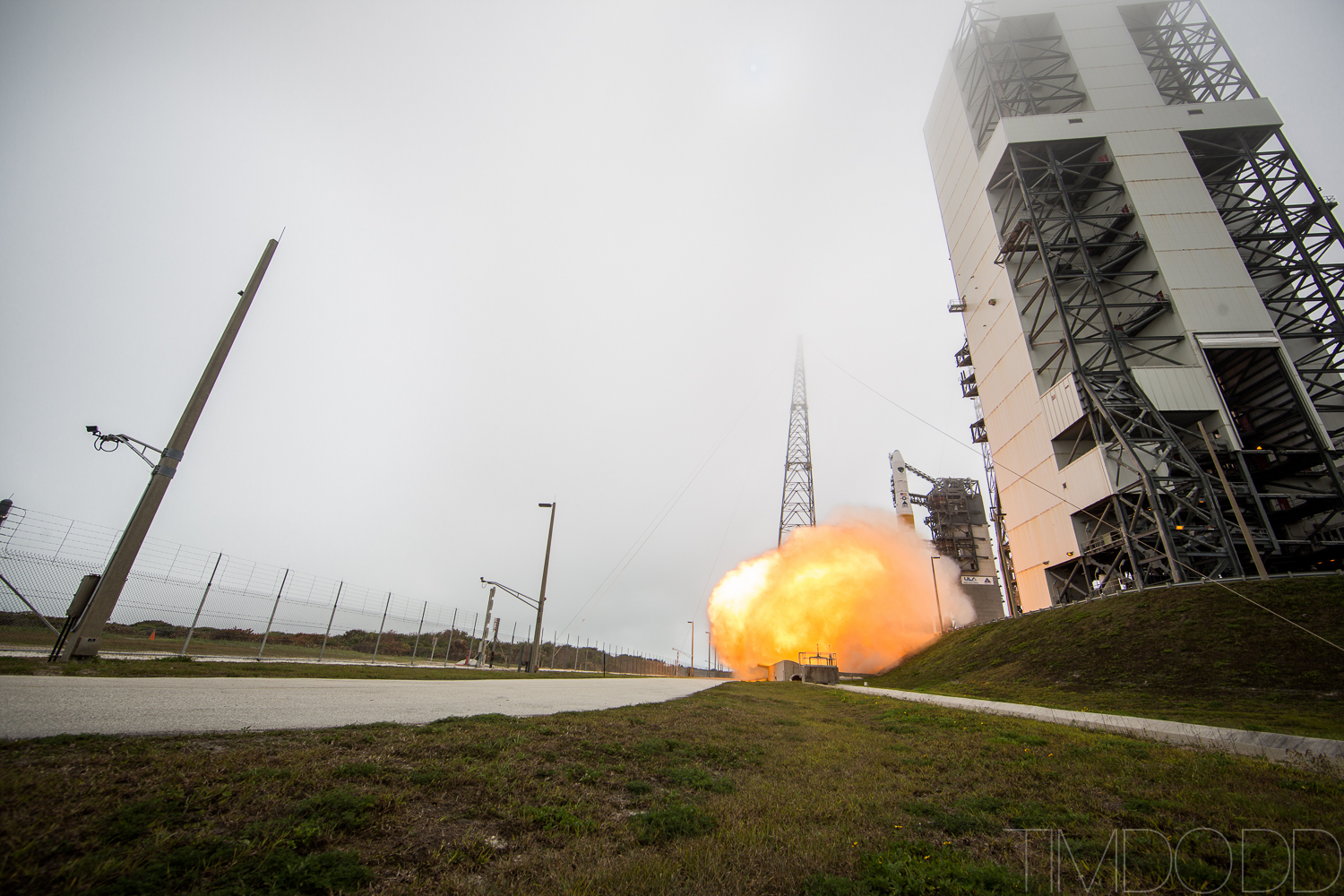
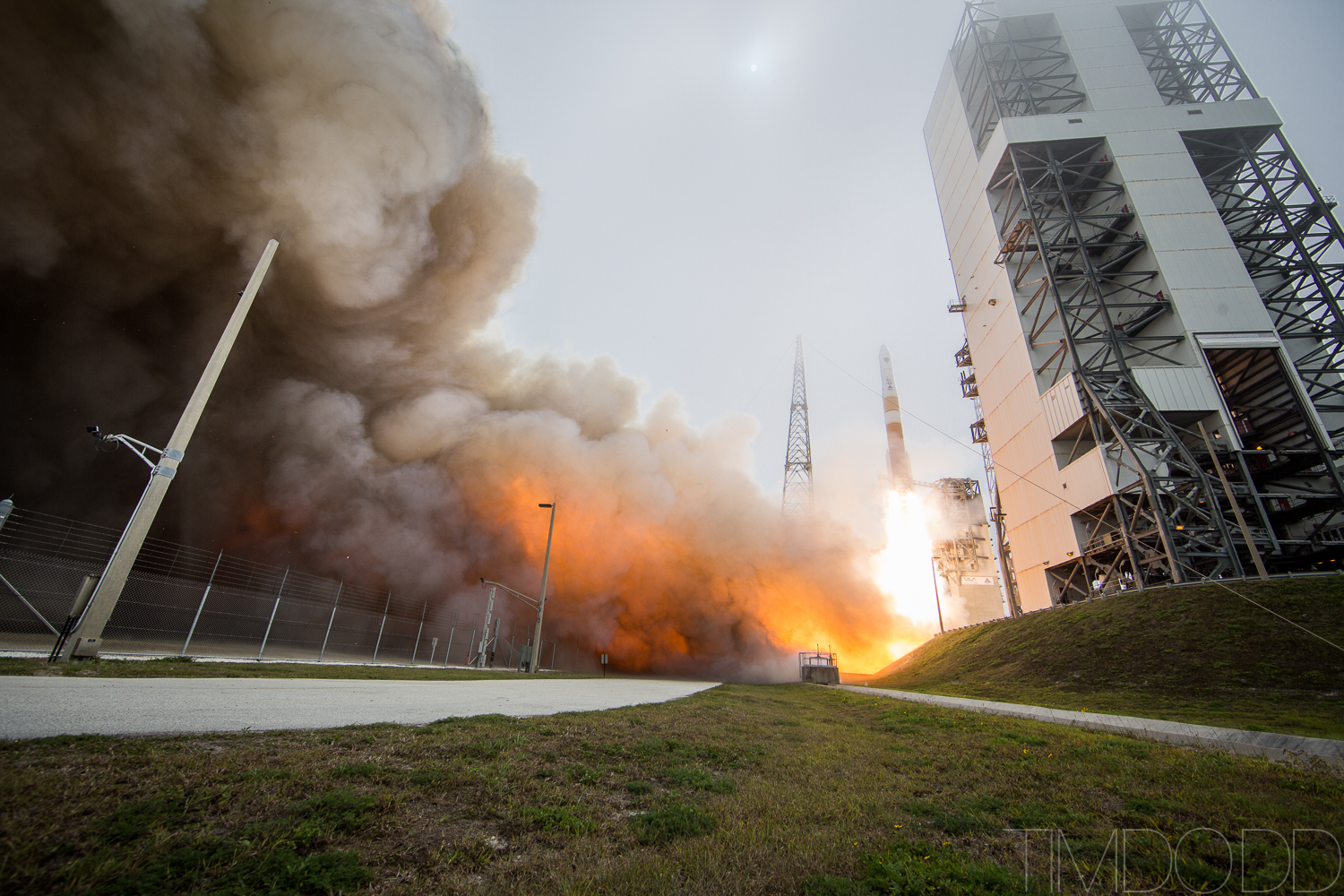
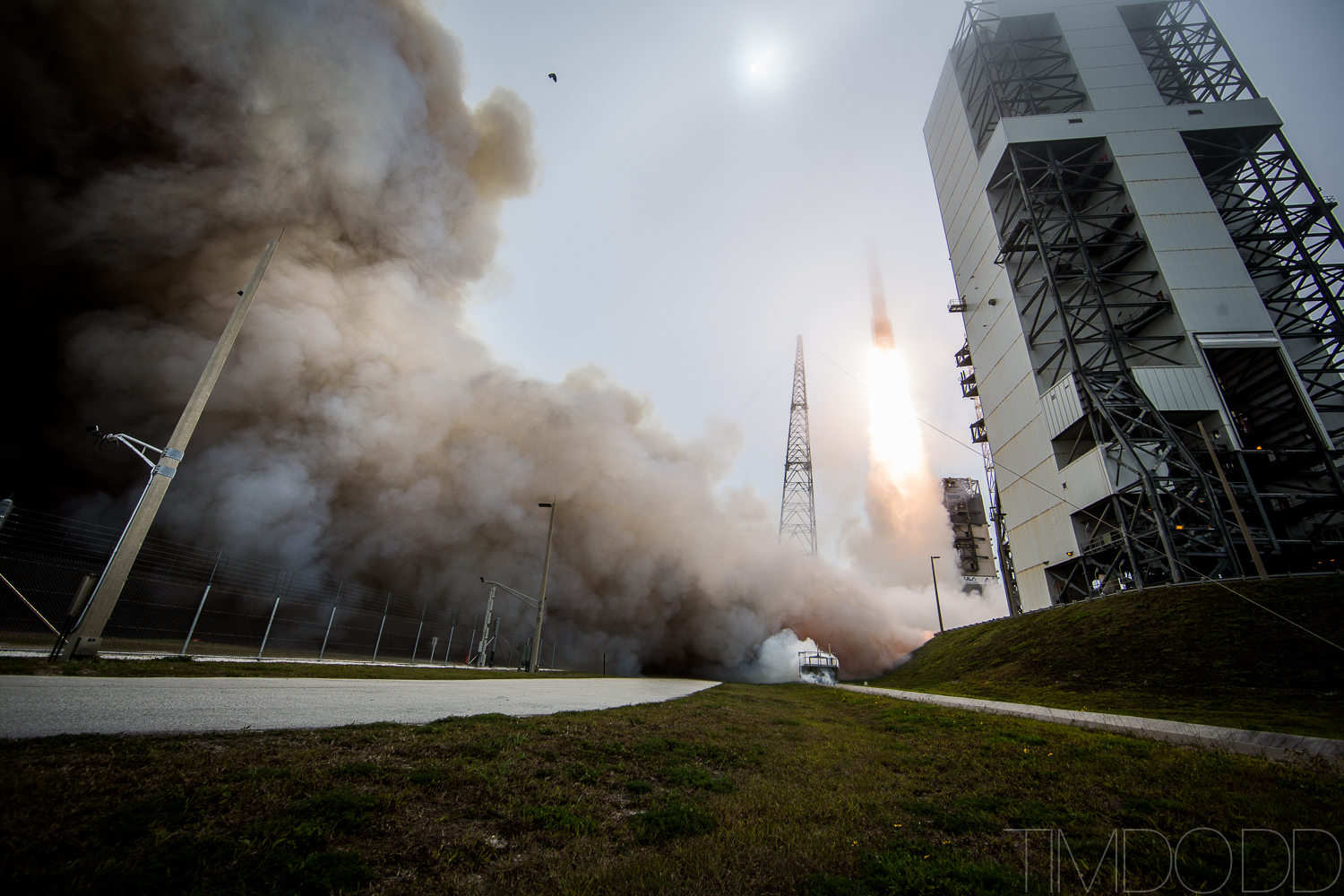
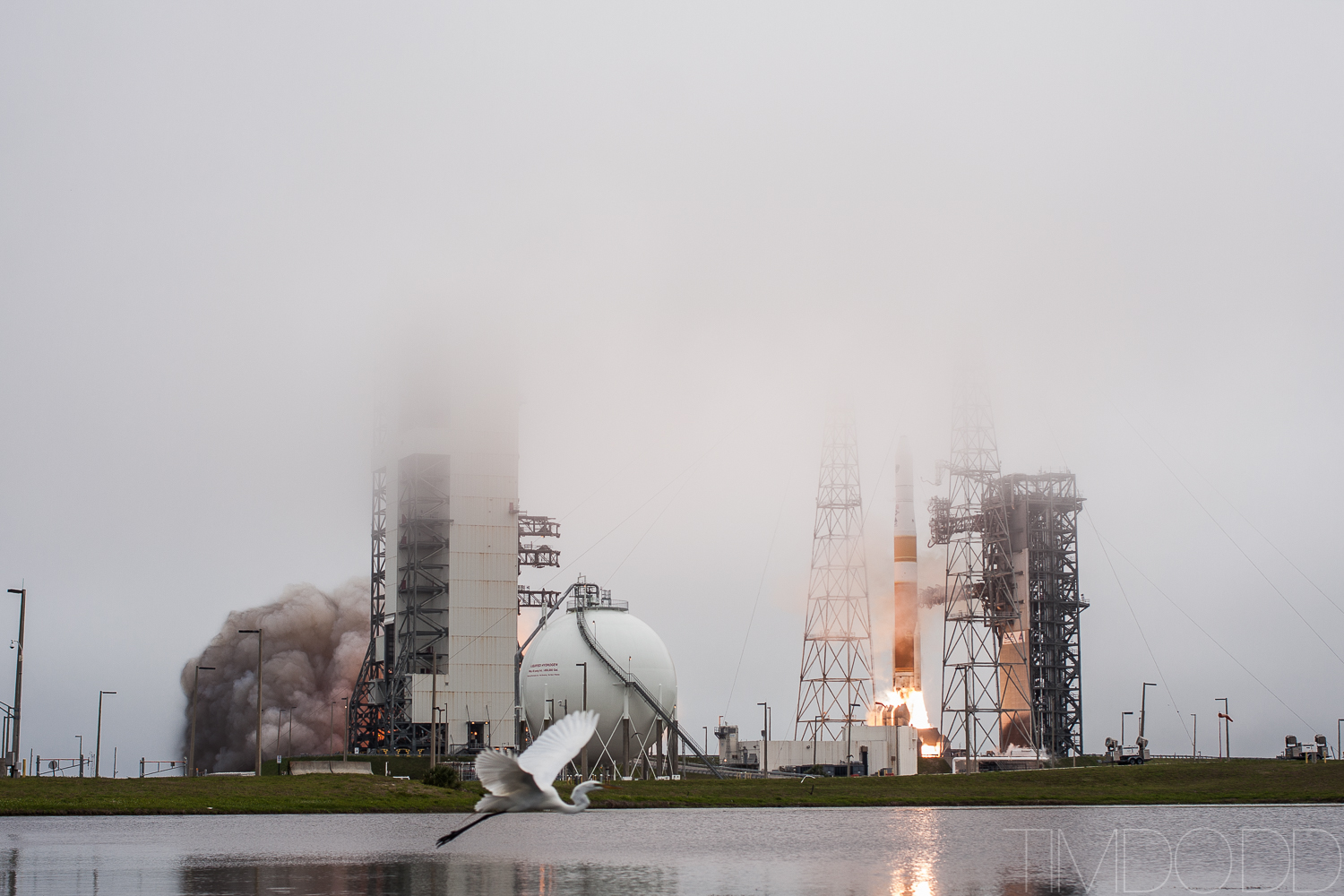
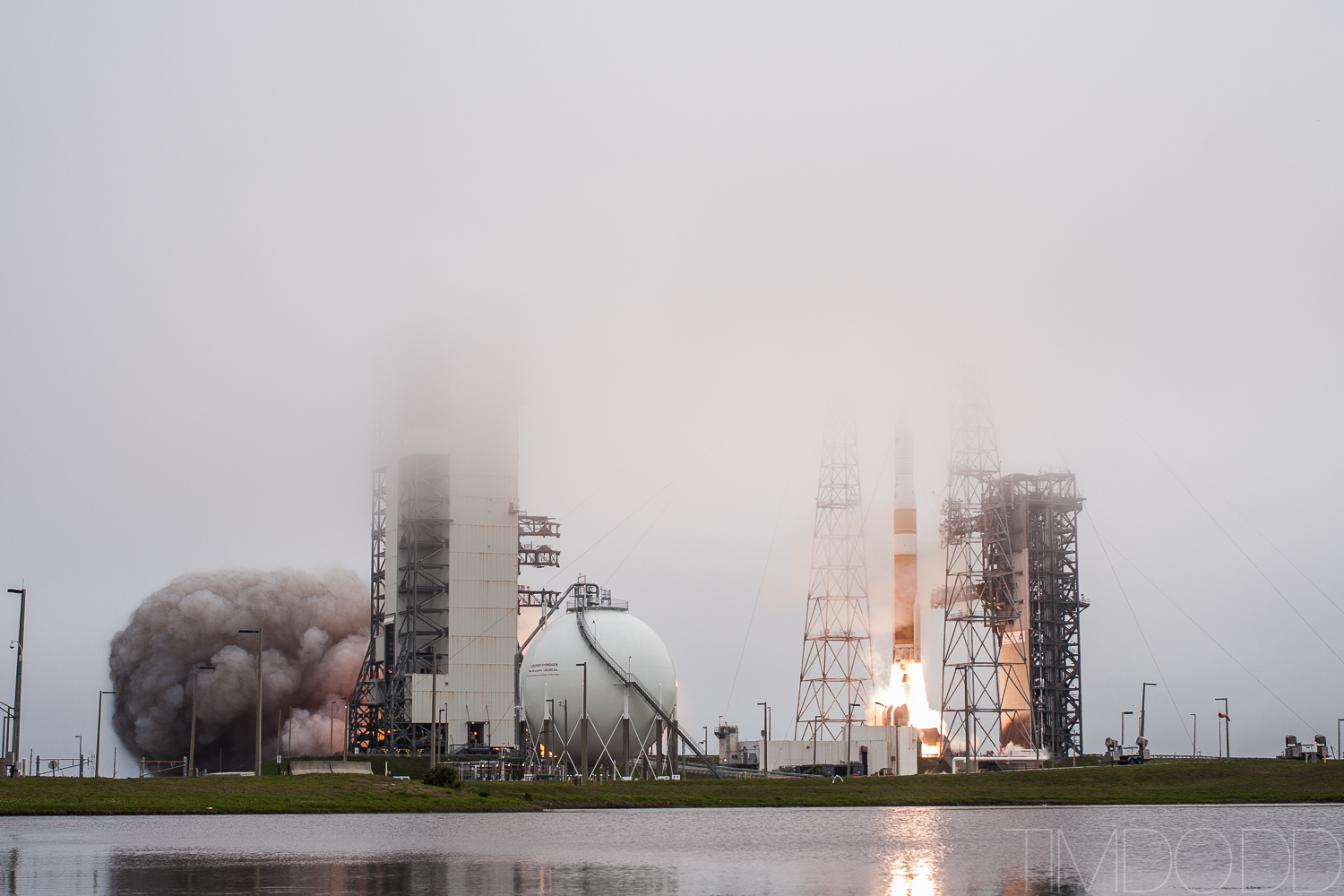
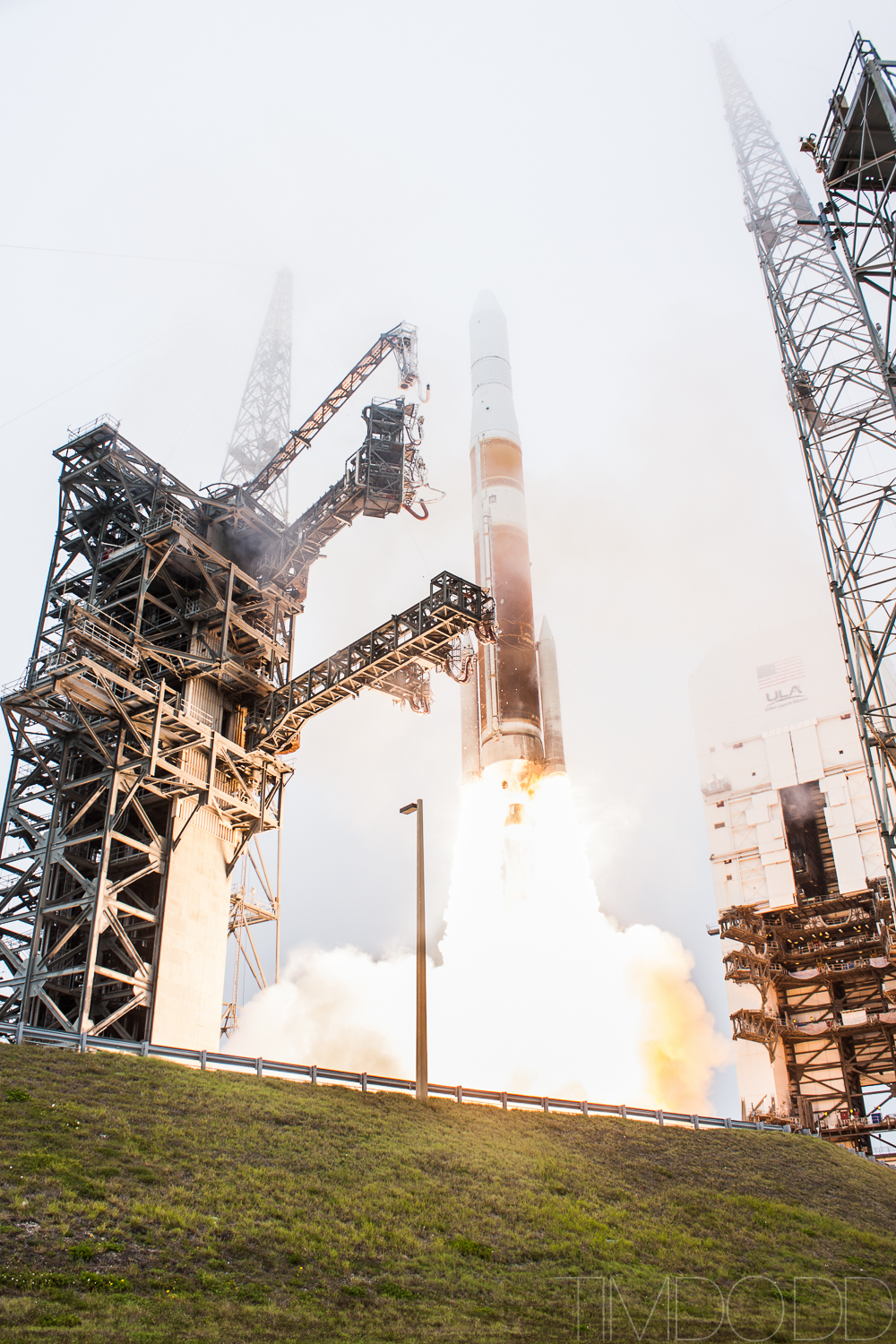
The 721,000-pound United Launch Alliance Delta 4 rocket launches on-time at 2:36 p.m. EDT into a deck of low-hanging clouds over Complex 37 at Cape Canaveral Air Force Station carrying the GPS 2F-9 navigation satellite.
Credit: Tim Dodd Photography

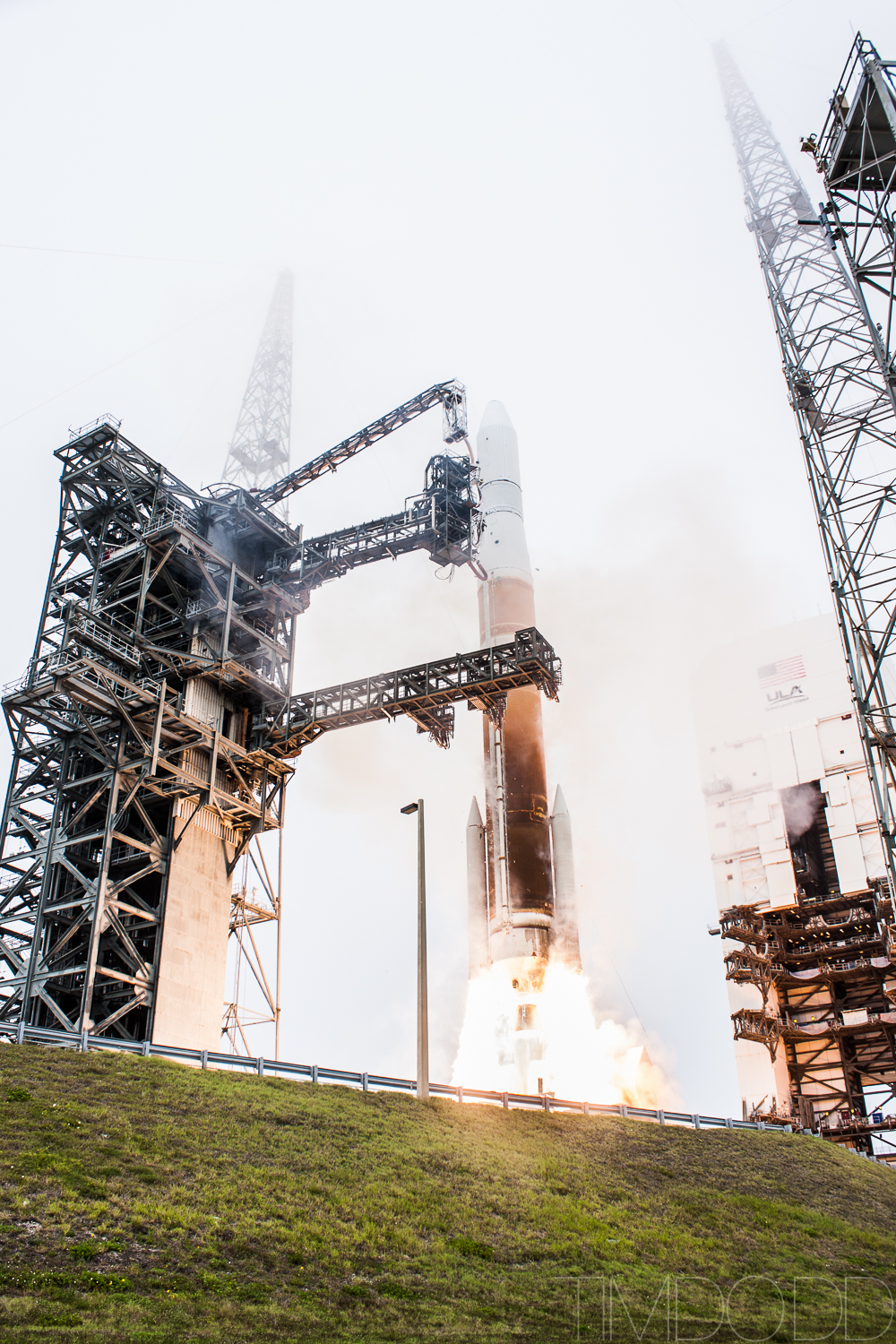
The 721,000-pound United Launch Alliance Delta 4 rocket launches on-time at 2:36 p.m. EDT into a deck of low-hanging clouds over Complex 37 at Cape Canaveral Air Force Station carrying the GPS 2F-9 navigation satellite.
Credit: Tim Dodd Photography
United Launch Alliance fired an Atlas 5 rocket into space from Cape Canaveral at 9:14 a.m. EDT (1314 GMT) Sunday with the U.S. Air Force’s X-37B spaceplane, an automated reusable mini-space shuttle designed to host experiments for years in orbit, then return to Earth and land on a runway. A launch attempt Saturday was scrubbed by bad weather.
Under a brilliant moon, a United Launch Alliance Atlas 5 rocket flashed to life and vaulted away from Cape Canaveral late Sunday, boosting the European Space Agency’s $1.5 billion Solar Orbiter probe out of Earth’s gravitational grip toward a multi-year voyage around the sun that will give scientists their first glimpse of the star’s poles.
© 1999-2026 Spaceflight Now Inc