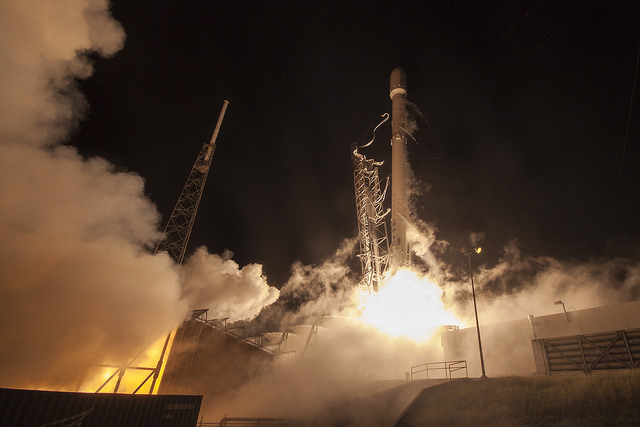
SpaceX’s Falcon 9 rocket is set for liftoff from Cape Canaveral on Friday, heading due east over the Atlantic Ocean to deliver the Bangabandhu 1 communications satellite into orbit around 33 minutes later.
The 229-foot-tall (70-meter) rocket is poised for launch from pad 39A at NASA’s Kennedy Space Center in Florida at 4:14 p.m. EDT (2014 GMT) Friday at the opening of a 127-minute launch window.
It will be the first launch of SpaceX’s upgraded “Block 5” version of the workhorse Falcon 9 rocket, featuring changes to make the vehicle easier to reuse and more reliable.
Perched atop the rocket is the Bangabandhu 1 communications satellite, a spacecraft made by Thales Alenia Space for the Bangladesh Telecommunication Regulatory Commission. Bangabandhu 1 is the country’s first communications satellite, and it is named for Bangabandhu Sheikh Mujibur Rahman, the father of the Bangladeshi nation.
The timeline below outlines the launch sequence for the Falcon 9 flight with Bangabandhu 1.
Data source: SpaceX
T-0:00:00: Liftoff
After the rocket’s nine Merlin engines pass an automated health check, hold-down clamps will release the Falcon 9 booster for liftoff from pad 39A.
T+0:01:08: Mach 1
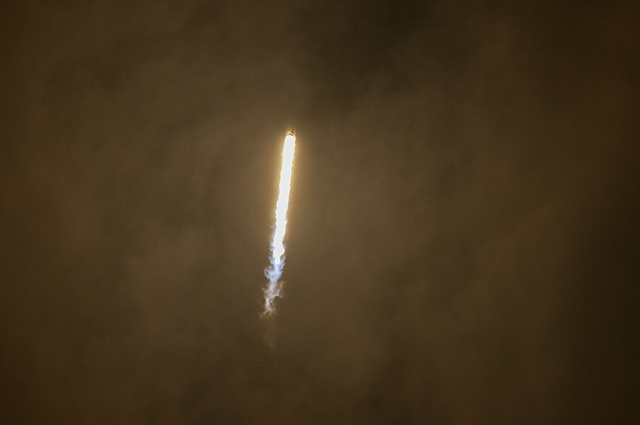
The Falcon 9 rocket reaches Mach 1, the speed of sound, as the nine Merlin 1D engines provide more than 1.7 million pounds of thrust.
T+0:01:14: Max Q
The Falcon 9 rocket reaches Max Q, the point of maximum aerodynamic pressure.
T+0:02:31: MECO
The Falcon 9’s nine Merlin 1D engines shut down.
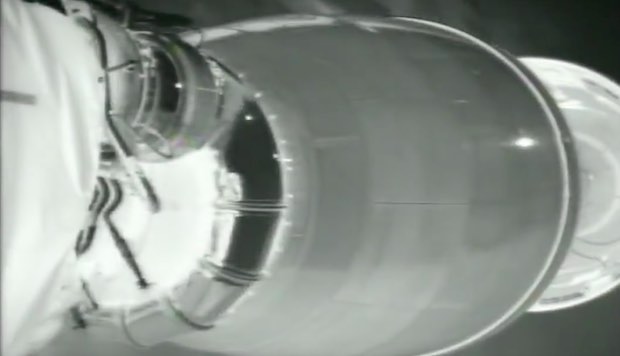
T+0:02:33: Stage 1 Separation
The Falcon 9’s first stage separates from the second stage moments after MECO.
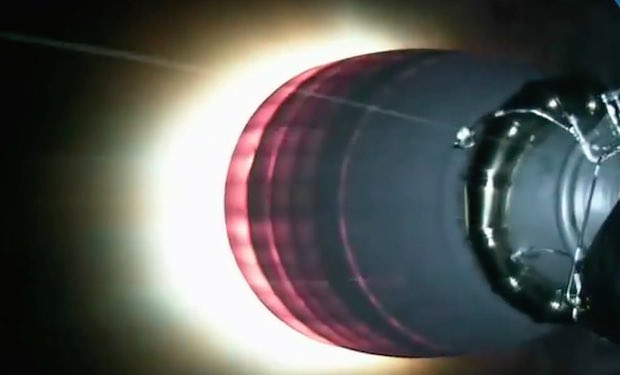
T+0:02:36: First Ignition of Second Stage
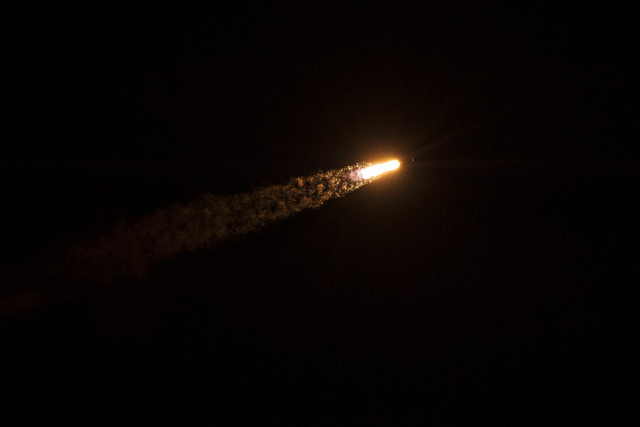
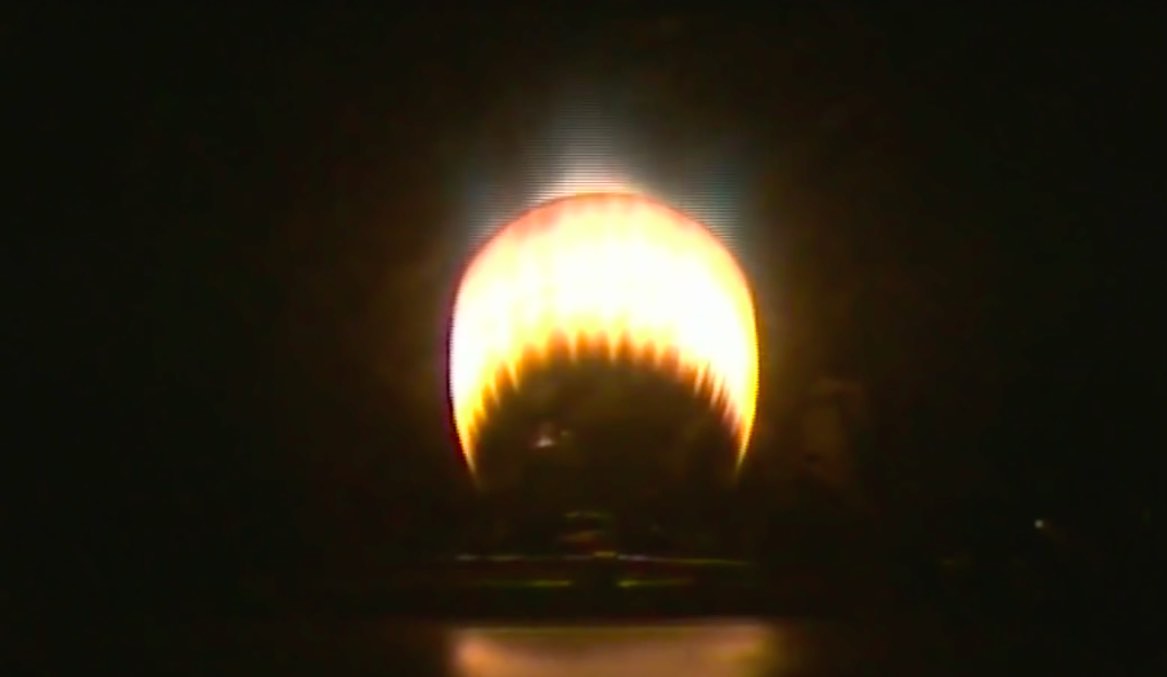
The second stage Merlin 1D vacuum engine ignites for a six-minute burn to put the rocket and Bangabandhu 1 into a preliminary parking orbit.
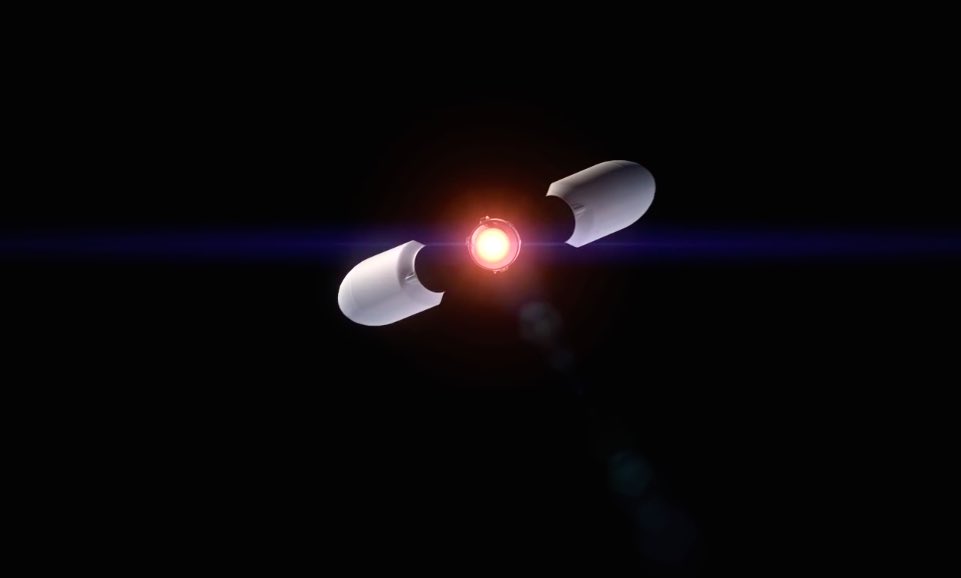
T+0:03:37: Fairing Jettison
The 5.2-meter (17.1-foot) diameter payload fairing jettisons once the Falcon 9 rocket ascends through the dense lower atmosphere. The 43-foot-tall fairing is made of two clamshell-like halves composed of carbon fiber with an aluminum honeycomb core.
T+0:06:15: Stage 1 Entry Burn
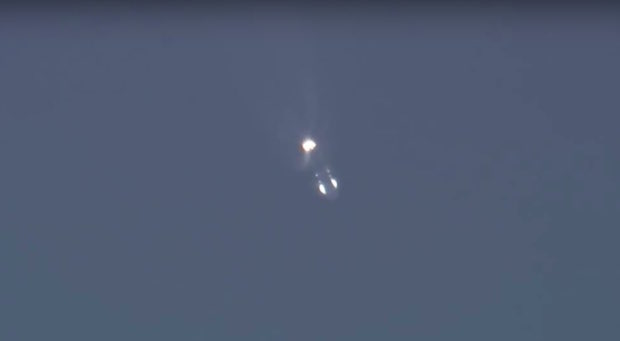
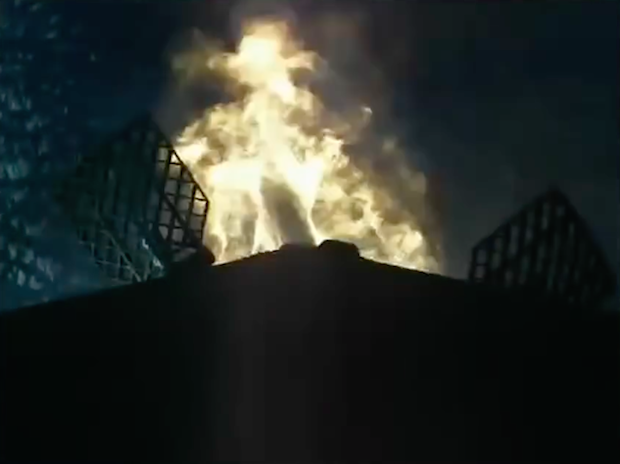
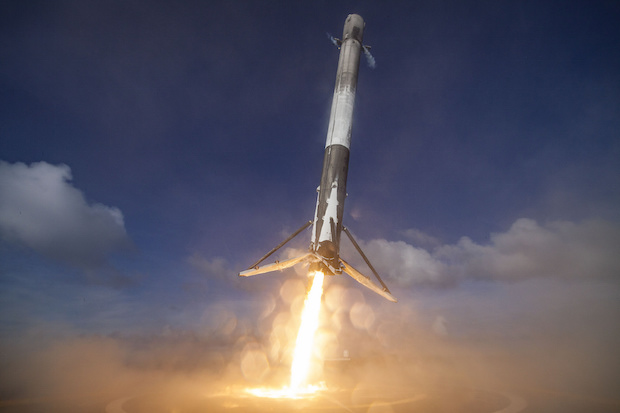
A subset of the first stage’s Merlin 1D engines ignite for an entry burn to slow down for landing. A final landing burn will occur just before touchdown.
T+0:08:10: Stage 1 Landing
The Falcon 9 rocket’s first stage booster touches down on SpaceX’s drone ship in the Atlantic Ocean.
T+0:08:19: SECO 1
The second stage of the Falcon 9 rocket shuts down after reaching a preliminary low-altitude orbit. The upper stage and Bangabandhu 1 begin a coast phase scheduled to last more than 19 minutes before the second stage Merlin vacuum engine reignites.
T+0:27:38: Second Ignition of Second Stage
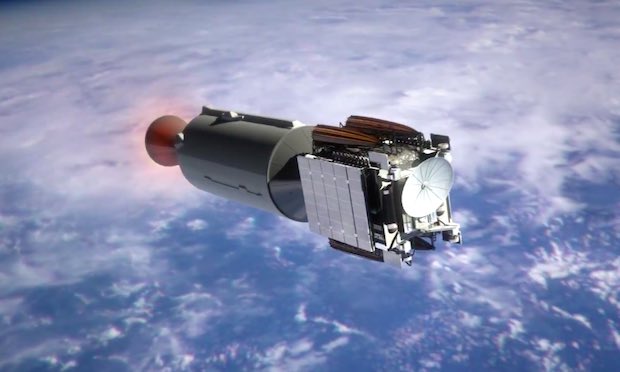
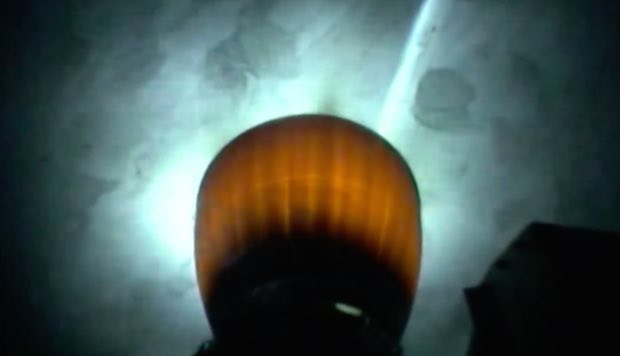
The Falcon 9’s second stage Merlin engine restarts to propel the Bangabandhu 1 communications satellite into a supersynchronous transfer orbit.
T+0:28:37: SECO 2
The Merlin engine shuts down after a short burn to put the Bangabandhu 1 satellite in the proper orbit for deployment.
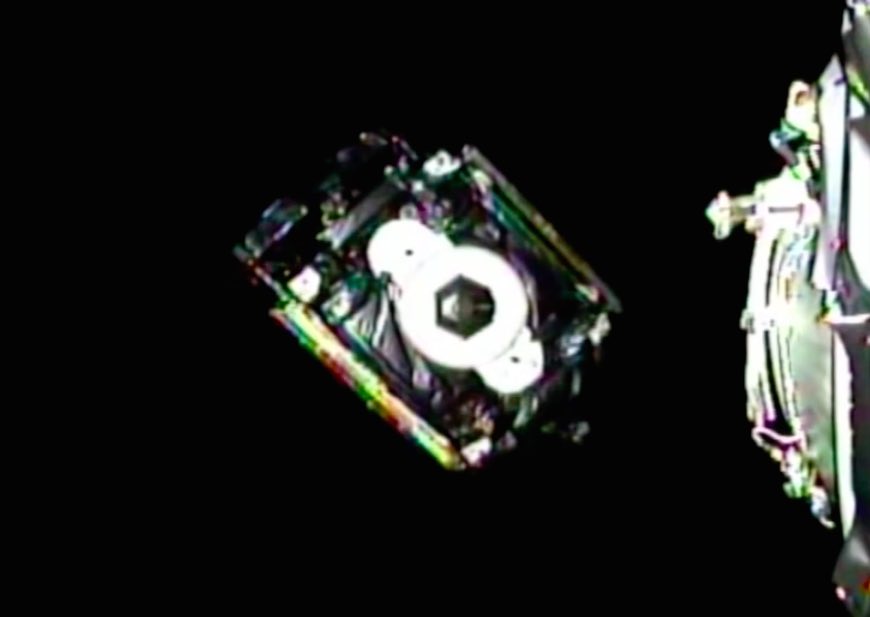
T+0:33:38: Bangabandhu 1 Separation
The Bangabandhu 1 satellite separates from the Falcon 9 rocket in a geostationary transfer orbit with a perigee of 186 miles (300 kilometers), an apogee of 22,186 miles (35,706 kilometers) and an inclination of 19.3 degrees.
The mission came less than a day after SpaceX announced Albania as the latest country to gain access to the service. Liftoff from Space Launch Complex 40 at Cape Canaveral Space Force Station happened at 1:40 a.m. EDT (0540 UTC).
Elon Musk, SpaceX’s founder and chief executive, spoke with reporters via conference call May 15 as the company prepared for the launch of the first 60 satellites to build out a network of potentially thousands of broadband relay stations in low Earth orbit providing high-speed Internet to consumers around the world.
Take a look back at the Dec. 22 liftoff of a SpaceX Falcon 9 rocket from Vandenberg Air Force Base in California, a launch that was visible across Southern California and as far away as Arizona as the booster climbed into sunlight at dusk to deliver 10 commercial communications satellites to orbit.