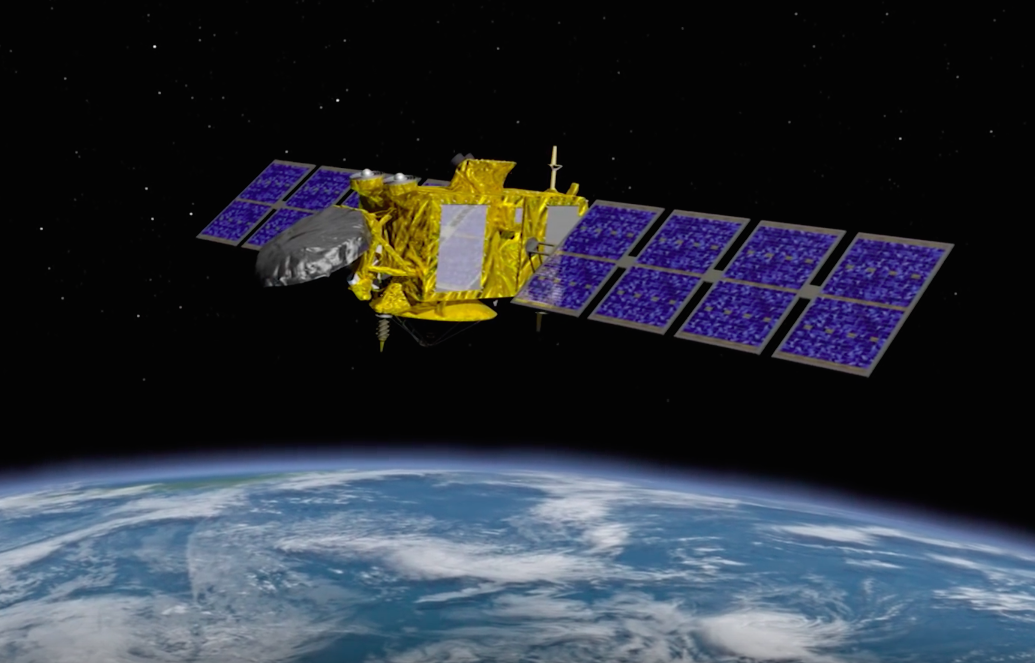
Follow the key events of the Falcon 9 rocket’s ascent to orbit with the Jason 3 satellite, a joint project between European and U.S. weather agencies to monitor wave height and sea level in the world’s oceans.
The 224-foot-tall rocket will lift off Sunday at 10:42:18 a.m. PST (1:42:18 p.m. EST; 1842:18 GMT) from Vandenberg Air Force Base in California.
Data source: NASA
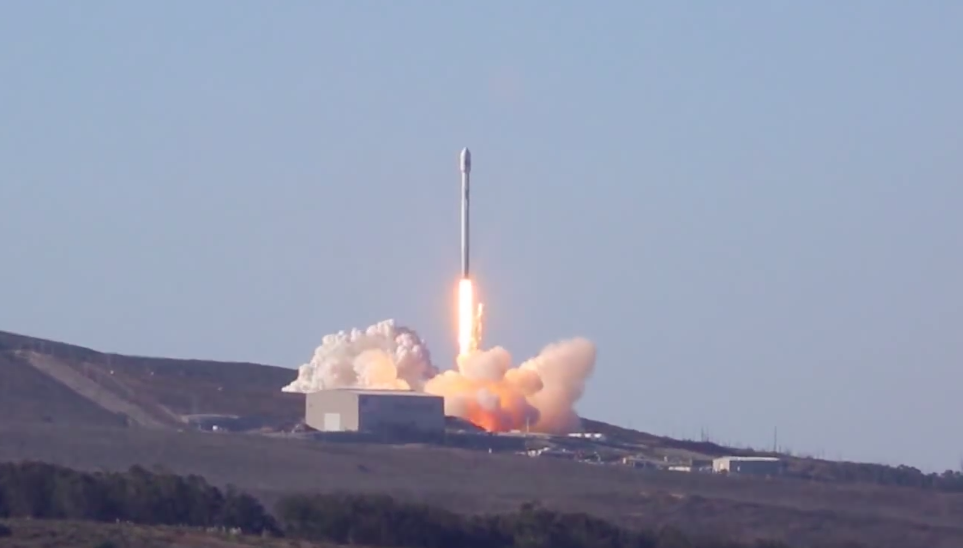
T-0:00:00: Liftoff
After the rocket’s nine Merlin 1D engines pass an automated health check, the Falcon 9 is released from Space Launch Complex 4-East at Vandenberg Air Force Base, California.
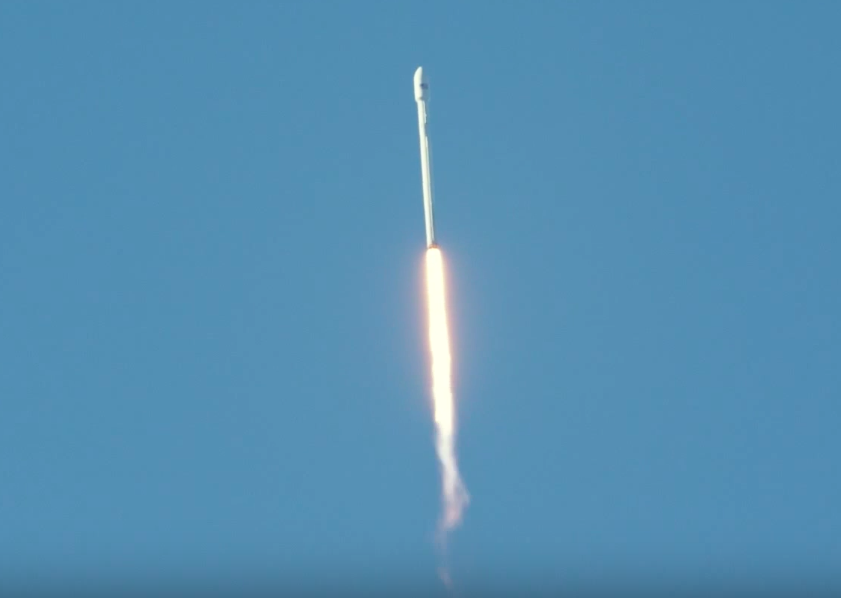
T+0:01:10: Mach 1
The Falcon 9 rocket passes the speed of sound. The first stage’s nine Merlin 1D engines produce 1.3 million pounds of thrust at sea level, ramping up to 1.5 million pounds of thrust in vacuum.
T+0:01:18: Max-Q
The Falcon 9 rocket reaches Max Q, the point of maximum aerodynamic pressure.
T+0:02:30: MECO
The Falcon 9 rocket’s nine Merlin 1D first stage engines shut down.
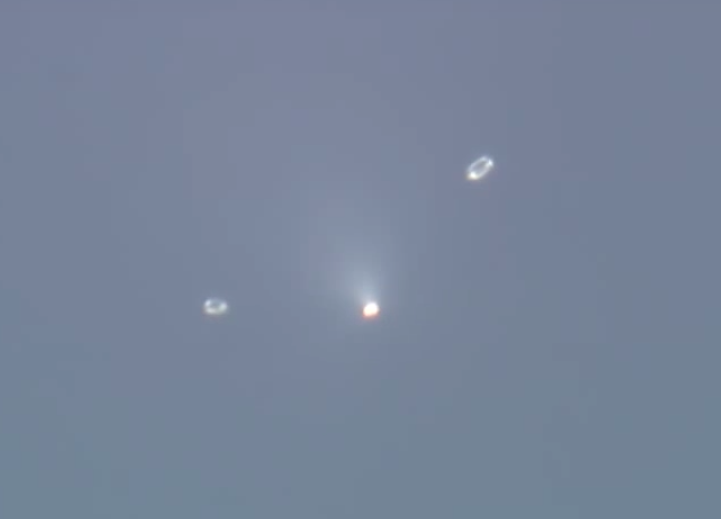
T+0:02:36: Stage 1 Separation
The Falcon 9’s first stage separates from the second stage six seconds after MECO, beginning maneuvers to land on a barge downrange from Vandenberg in the Pacific Ocean.
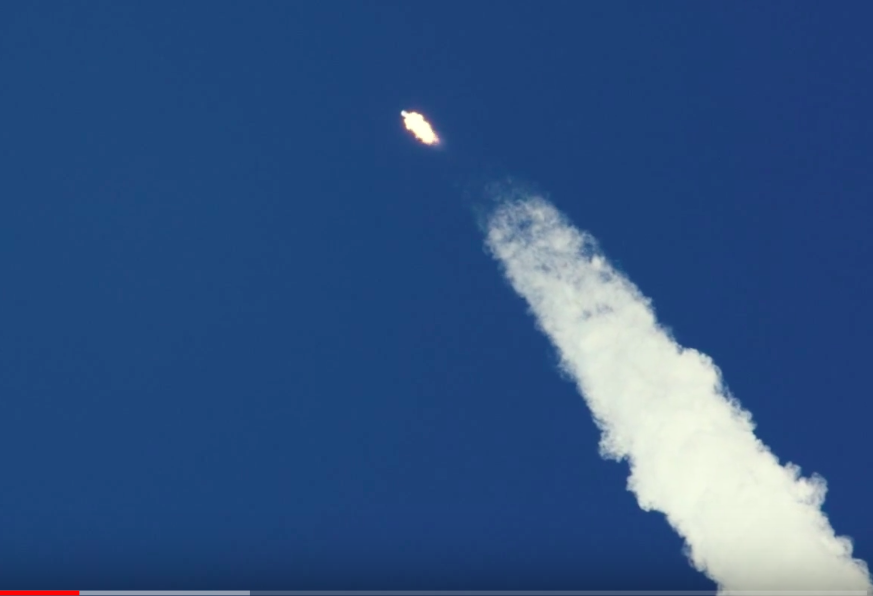
T+0:02:45: Stage 2 Ignition
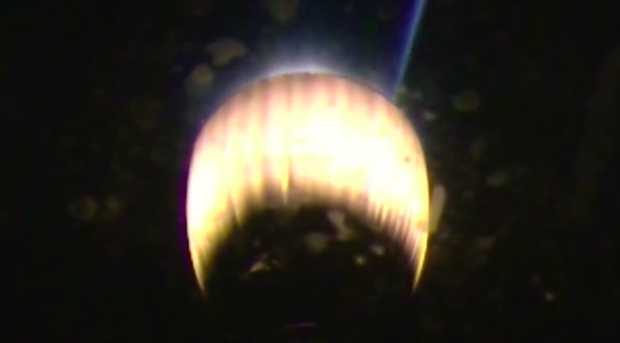
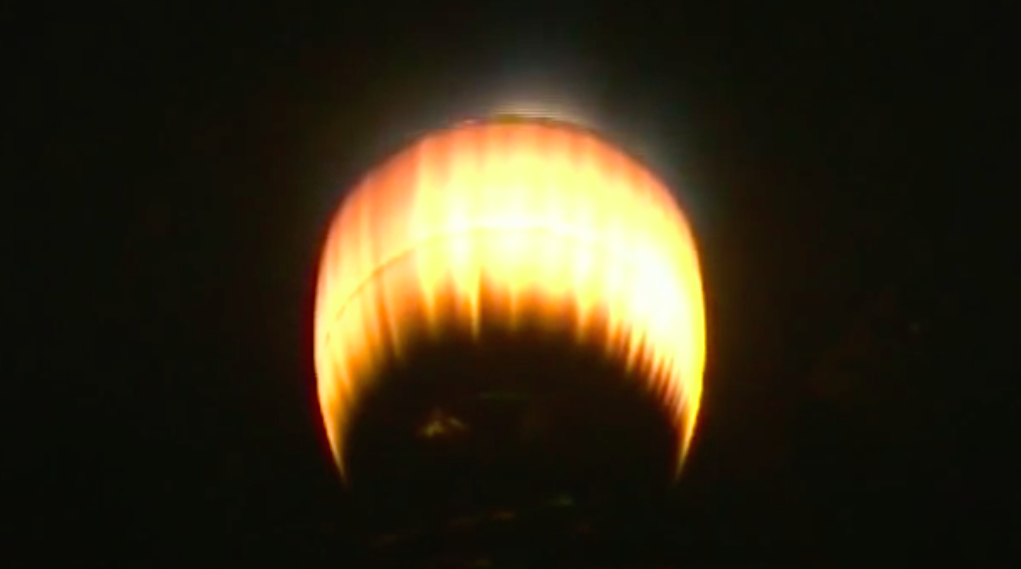
The second stage Merlin 1D vacuum engine ignites for an approximately 6-minute burn to inject the Jason 3 satellite into a parking orbit.
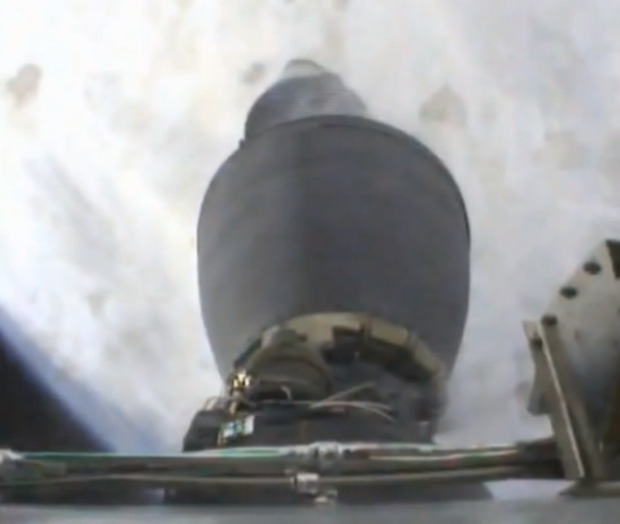
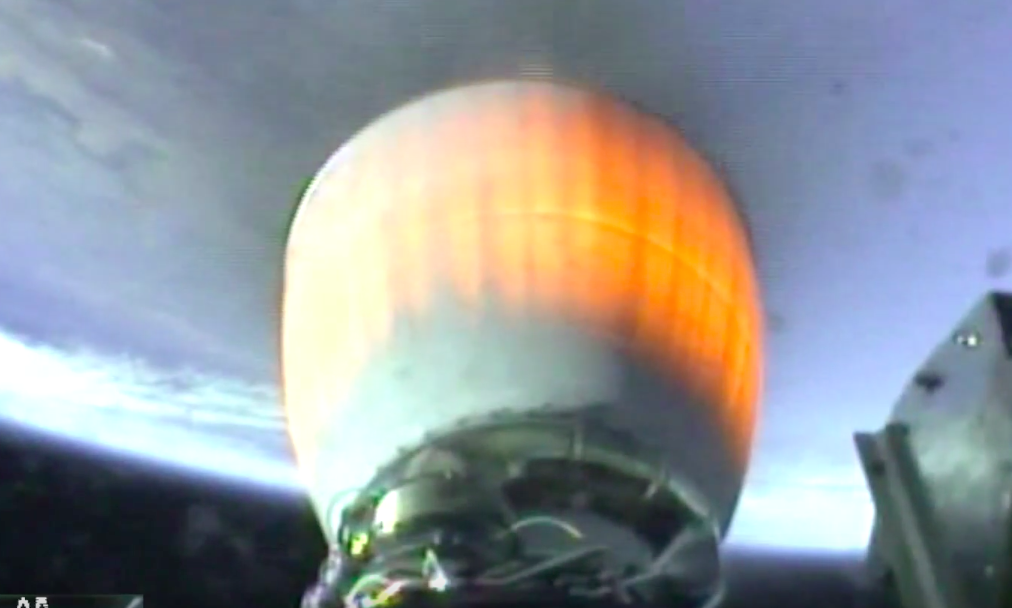
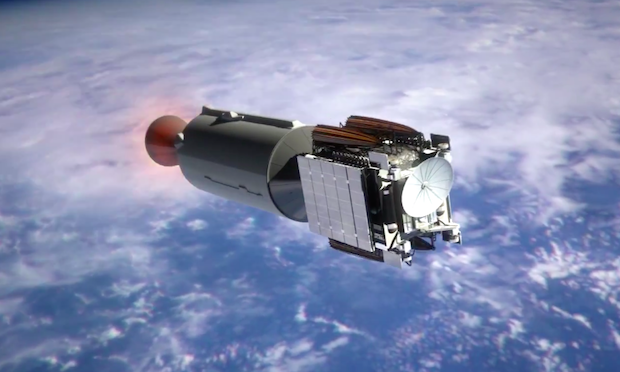
T+0:03:15: Fairing Jettison
The 5.2-meter (17.1-foot) diameter payload fairing jettisons once the Falcon 9 rocket ascends through the dense lower atmosphere. The 43-foot-tall fairing is made of two clamshell-like halves composed of carbon fiber with an aluminum honeycomb core.
T+0:09:00: SECO 1
The Merlin 1D vacuum engine turns off after placing the Jason 3 satellite in temporary parking orbit, beginning at 46-minute coast in orbit.
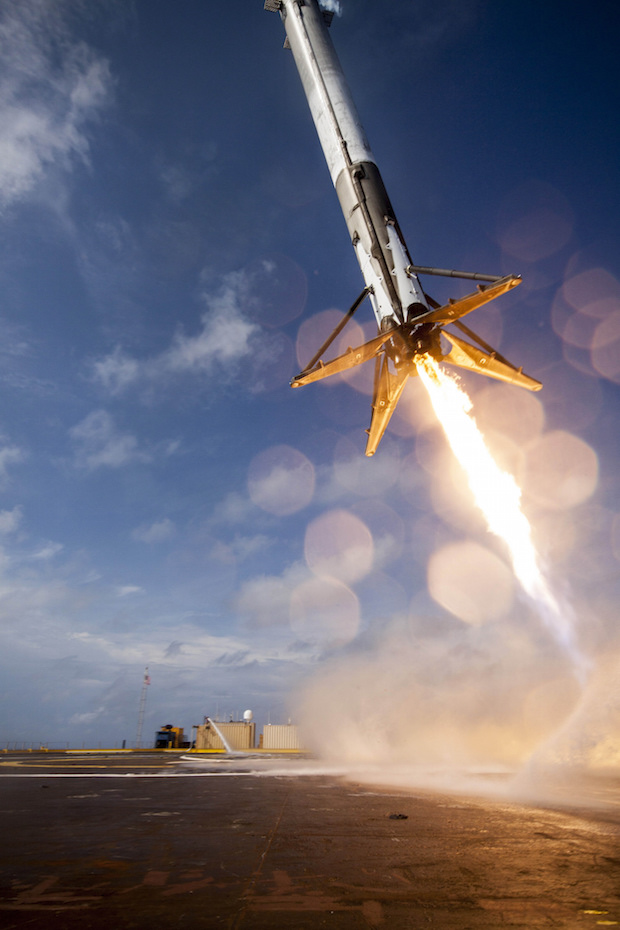
T+0:09:00: Stage 1 Landing
The Falcon 9’s first stage booster descends to a vertical landing on SpaceX’s drone ship, christened “Just Read The Instructions,” in the Pacific Ocean.
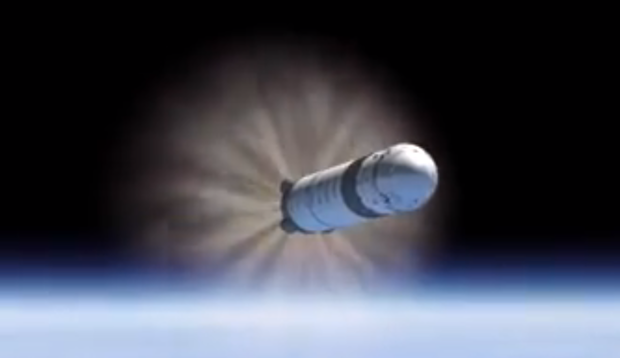
T+0:55:06: Stage 2 Restart
The Falcon 9’s second stage engine ignites again for a 12-second burn to circularize its orbit.
T+0:55:06: SECO 2
The Merlin 1D vacuum engine shuts down after reaching a target orbit about 824 miles (1,326 kilometers) high with an inclination of 66 degrees.
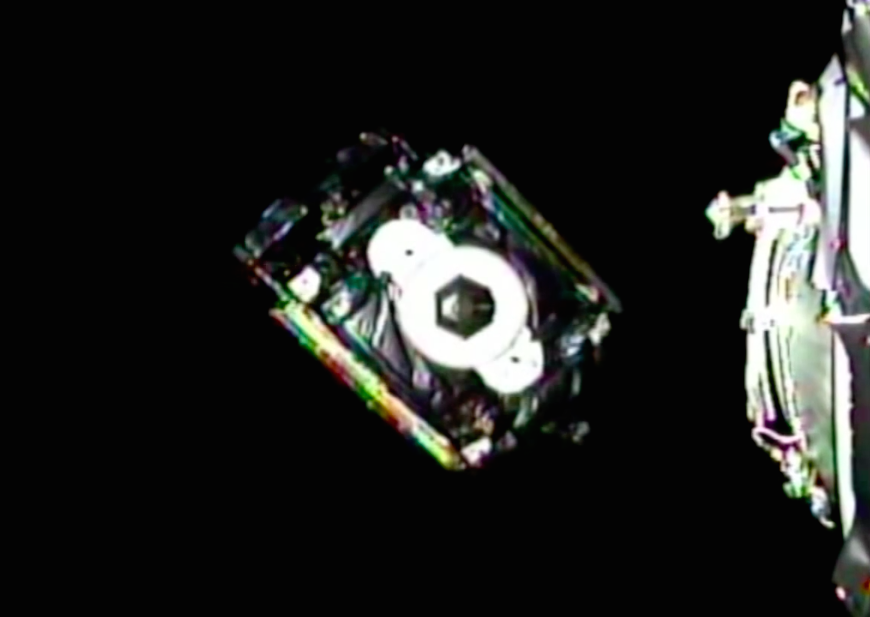
T+0:55:48: Jason 3 Separation
The 1,124-pound (510-kilogram) Jason 3 satellite deploys from the Falcon 9 rocket’s second stage.
T+1:02:00: Jason 3 Solar Arrays Deployed
Jason 3’s two solar array wings will deploy one at a time starting about two minutes after separation from the Falcon 9 second stage. Both wings should be extended by the flight’s 62-minute mark.
Crowned with a Japanese telecommunications satellite, SpaceX’s Falcon 9 rocket sits atop its Cape Canaveral launch pad hours before its scheduled blastoff Friday.
A Falcon 9 rocket powered by a reused first stage booster rolled out Tuesday to pad 39A at NASA’s Kennedy Space Center in Florida, a day before its scheduled liftoff with an Airbus-built communications satellite designed for television broadcasts over the Americas.
The Starlink 10-29 mission added another 28 satellites into the low Earth orbit megaconstellation. Liftoff from pad 40 at Cape Canaveral Space Force Station occurred at 11:37 p.m. EDT (0337 UTC).