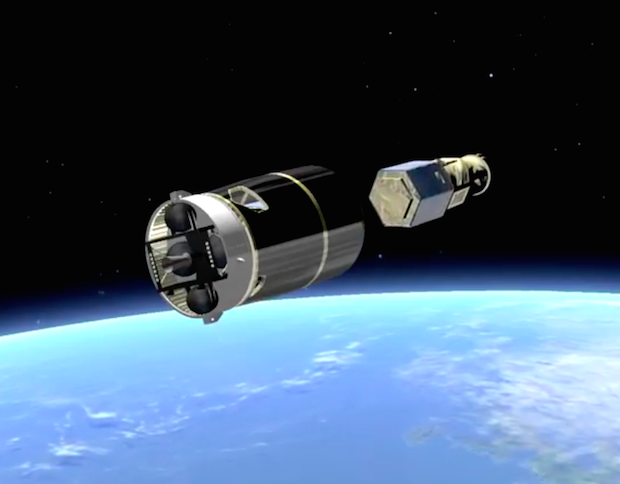
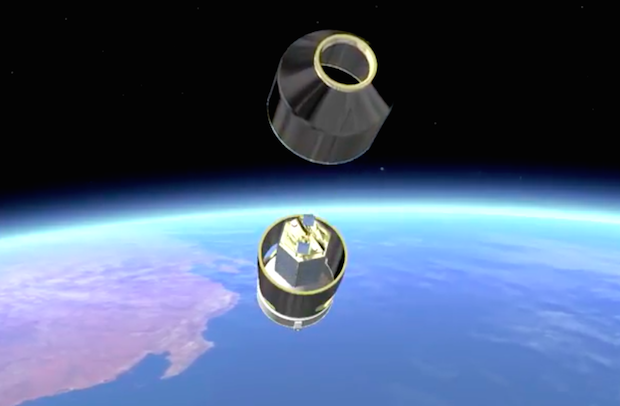
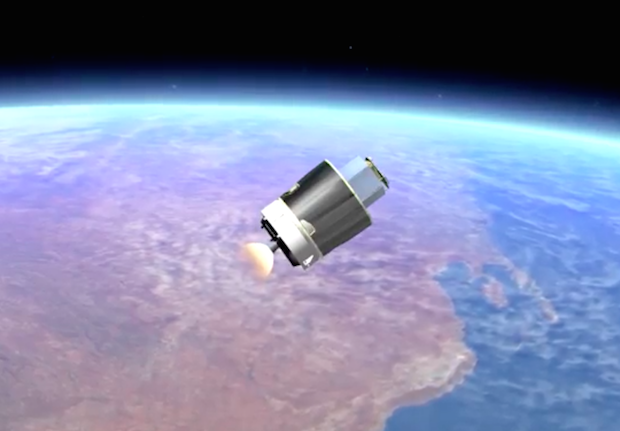
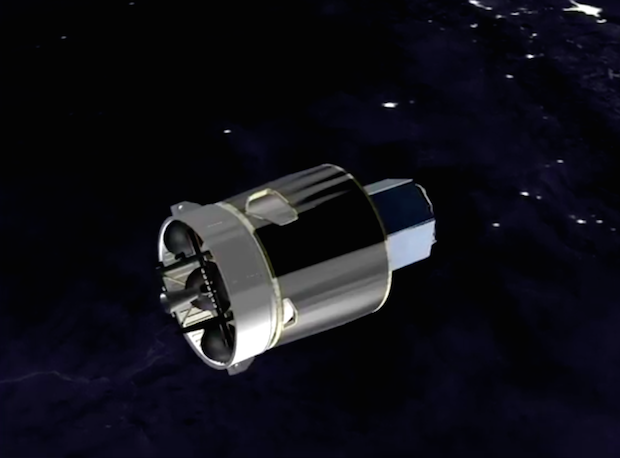
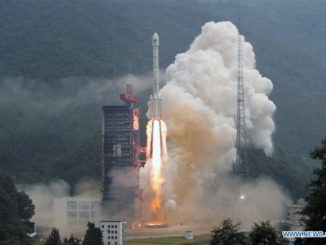
A Vega rocket is set to deliver two satellites into similar but distinct orbits for the Italian military and the French and Israeli space agencies.
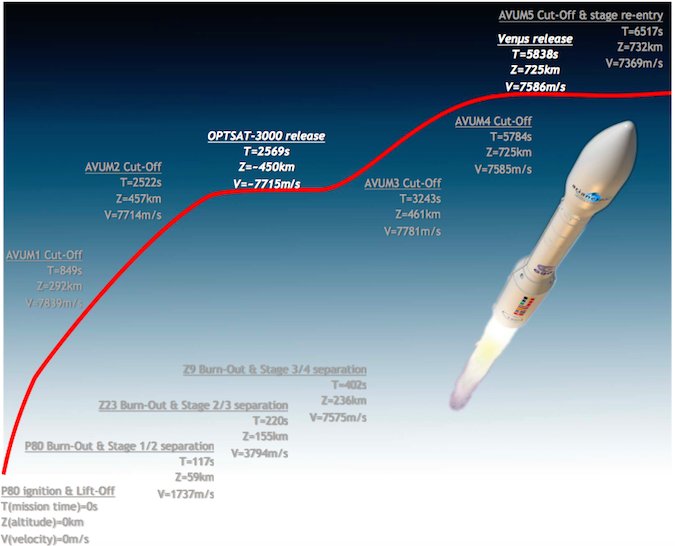
Here are the key events scheduled during the European Vega rocket’s launch from French Guiana with the Italian military’s Optsat 3000 high-resolution reconnaissance satellite and the French-Israeli Venµs environmental satellite.
Credit: Arianespace
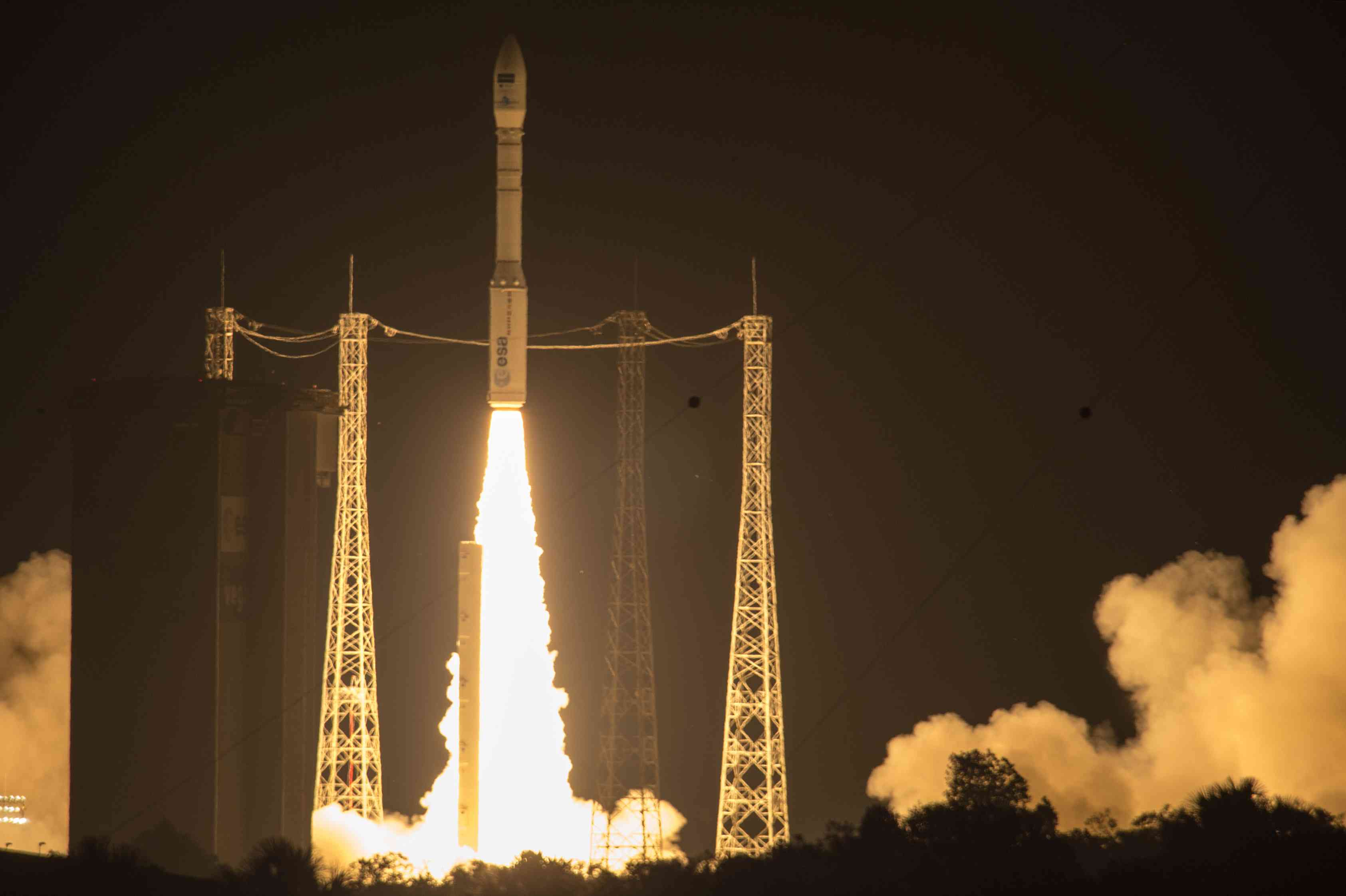
T+00:00:00 – Liftoff
The Vega rocket’s first stage P80 solid rocket motor ignites and powers the 98-foot-tall booster off the launch pad 0.3 seconds later. The P80 first stage motor generates a maximum of 683,000 pounds of thrust.
T+00:00:31 – Mach 1
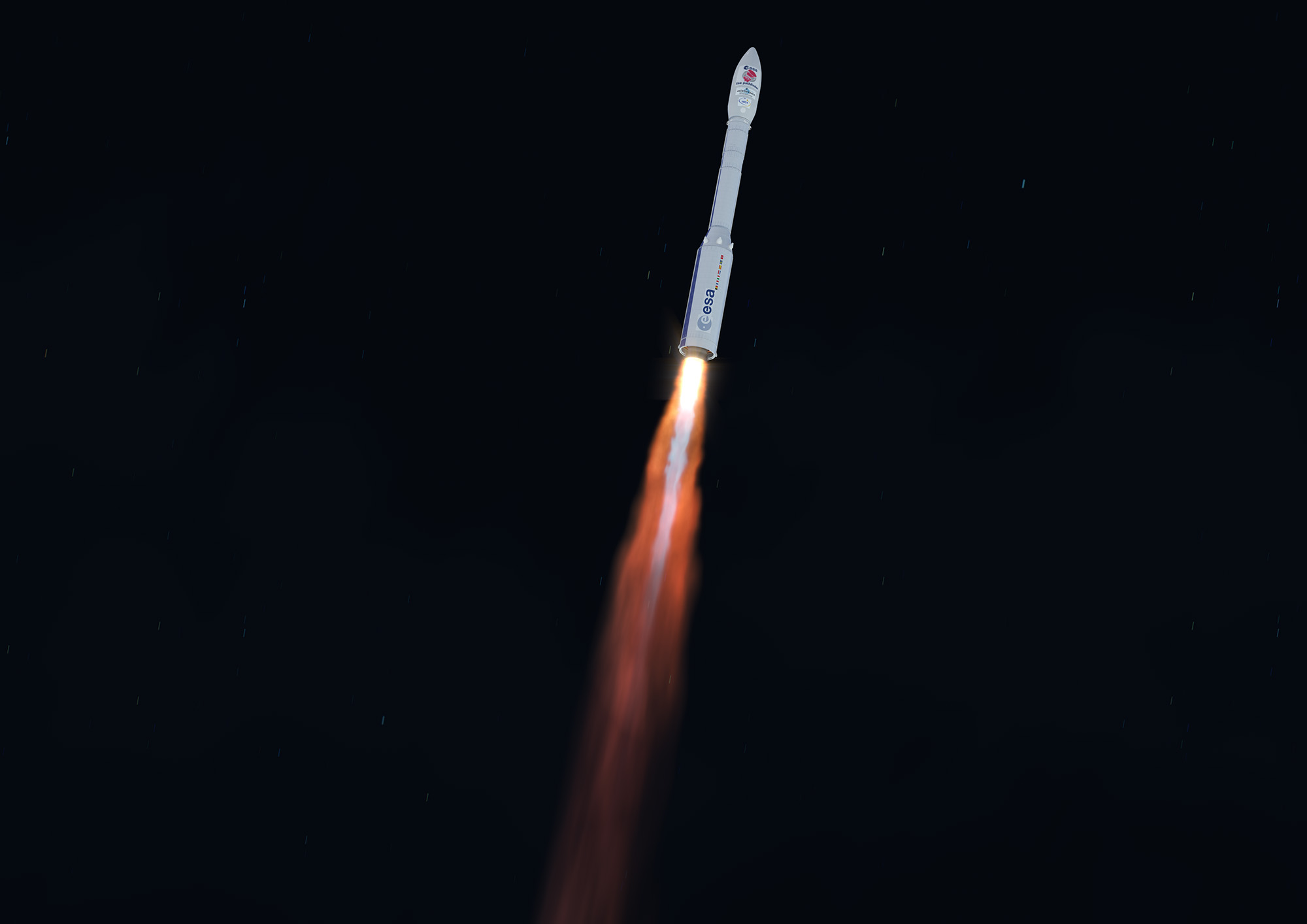
The Vega rocket surpasses the speed of sound as it soars on an easterly trajectory from French Guiana. The rocket will reach Max-Q, the point of maximum aerodynamic pressure, at T+plus 53 seconds.
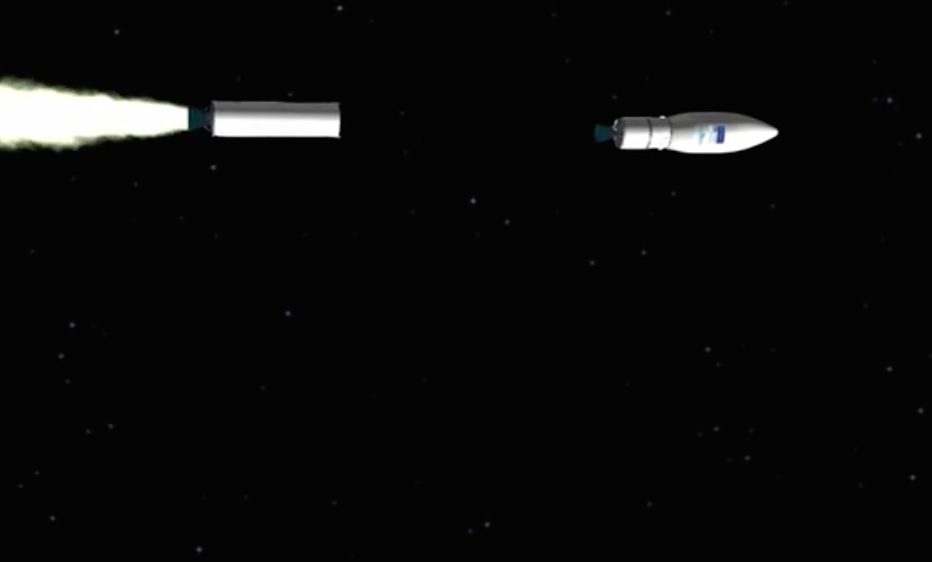
T+00:01:57 – First stage separation
Having consumed its 194,000 pounds (88 metric tons) of solid propellant, the 9.8-foot-diameter (3-meter) P80 first stage motor is jettisoned at an altitude of about 33 miles (53 kilometers). The second stage Zefiro 23 motor will ignite a second later to begin its 102-second firing.
T+00:03:40 – Second stage separation
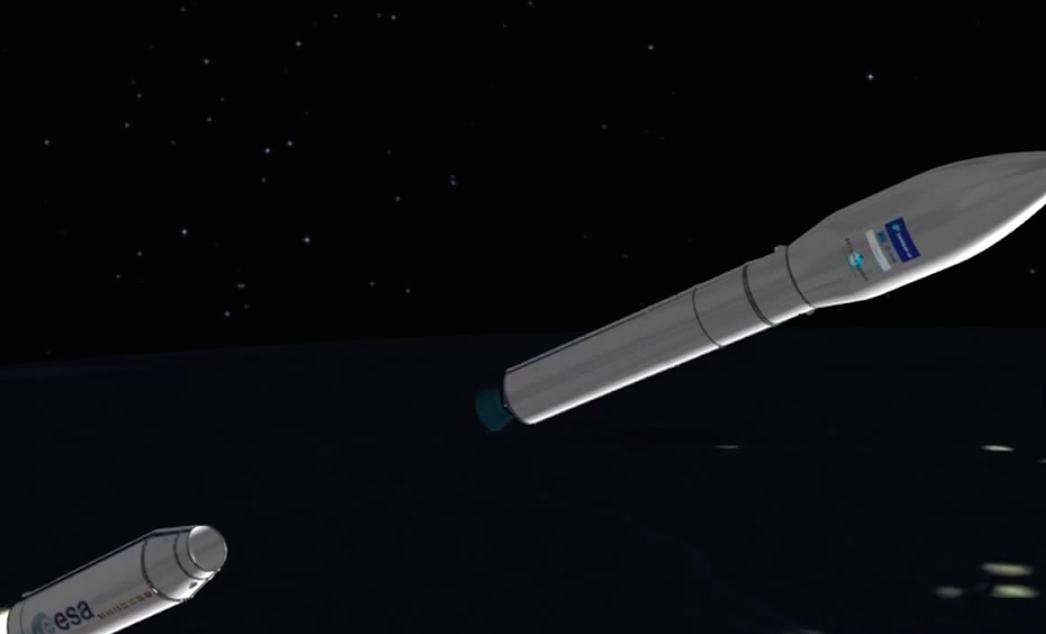
The Zefiro 23 motor burns out and jettisons.
T+00:04:03 – Third stage ignition
Moving at a velocity of nearly 9,000 mph, or about 3.9 kilometers per second, the Vega rocket’s Zefiro 9 motor ignites for the third stage burn.
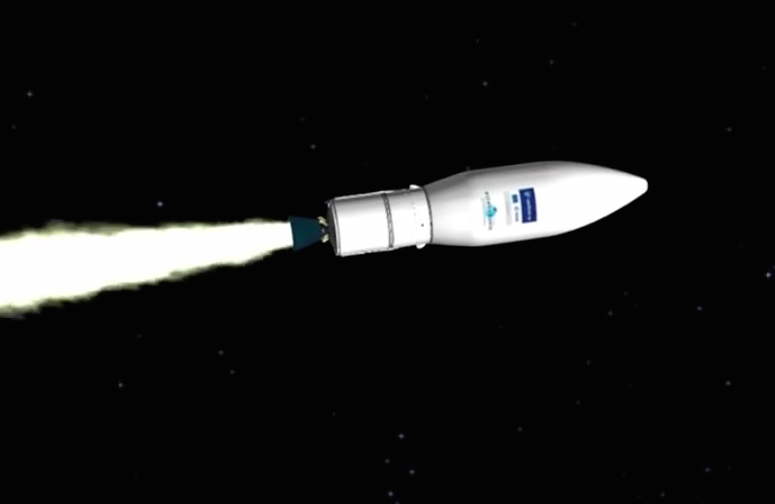
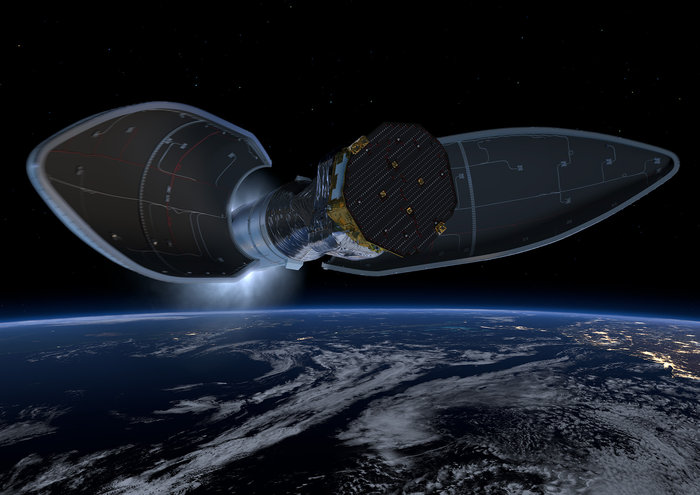
T+00:04:08 – Fairing separation
The Vega’s 8.5-foot-diameter (2.6-meter) payload fairing is released as the rocket ascends into space.
T+00:06:42 – Third stage separation
The Zefiro 9 third stage shuts down and separates, having accelerated the rocket to nearly orbital velocity.
T+00:07:52 – First AVUM ignition
The Vega rocket’s Attitude and Vernier Module, or fourth stage, ignites for the first time. The AVUM burns hydrazine fuel with an RD-843 engine provided by Yuzhnoye of Ukraine.
T+00:14:09 – AVUM first cutoff
The Vega’s AVUM fourth stage is turned off after an 6-minute, 17-second burn, beginning a 26-minute coast until the engine is ignited again.
T+00:40:37 – Second AVUM ignition
The AVUM fires a second time for a 85-second burn to put the Optsat 3000 satellite into its targeted orbit.
T+00:42:02 – AVUM second cutoff
The AVUM engine shuts down after reaching a near circular orbit with an altitude of 280 miles (450 kilometers) and an inclination of 97 degrees.
T+00:42:49 – Optsat 3000 separation
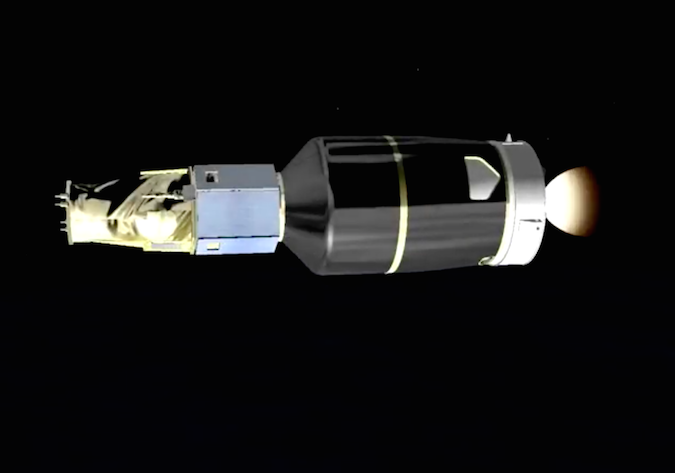
The 811-pound (368-kilogram) Optsat 3000 Italian military surveillance satellite deploys from the Vega rocket’s upper payload position.
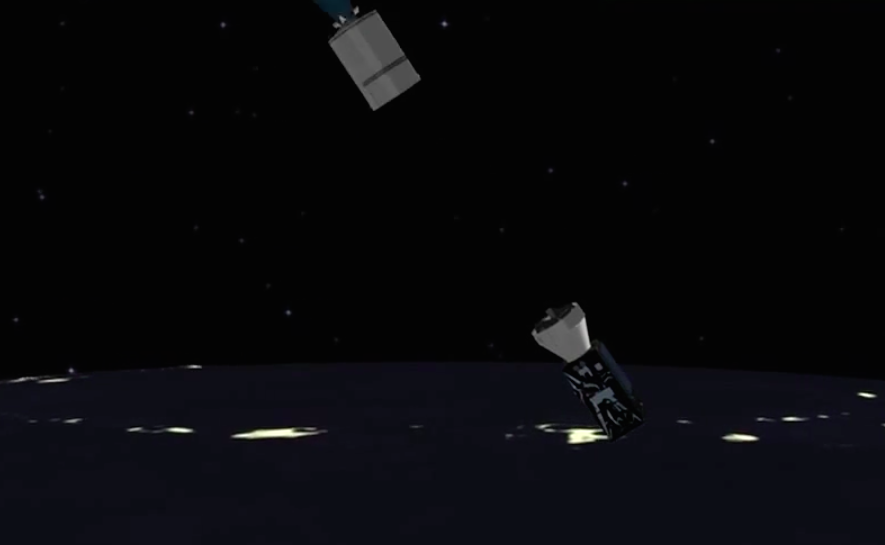
T+00:52:04 – Vespa jettison
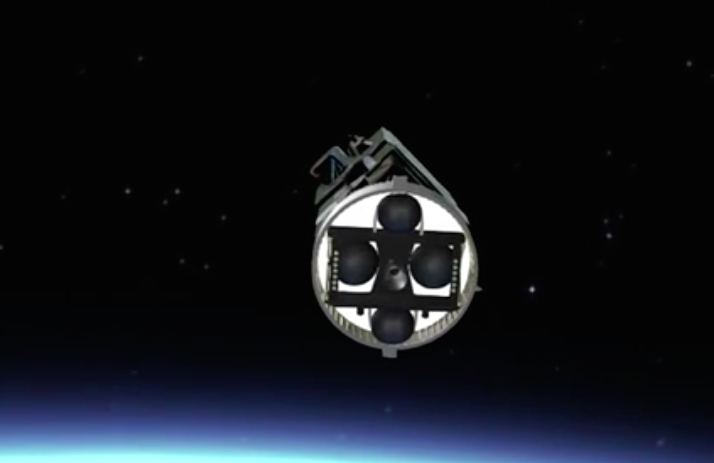
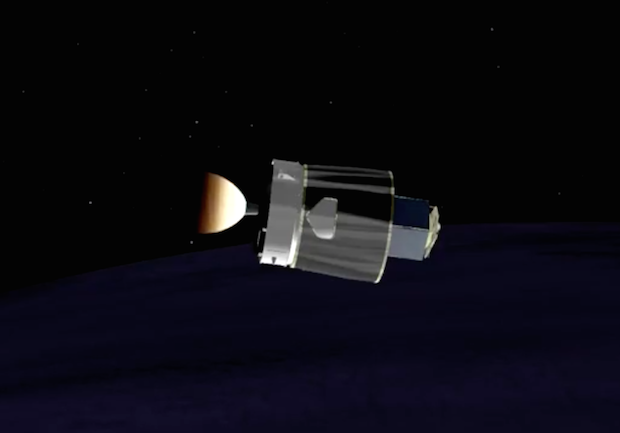
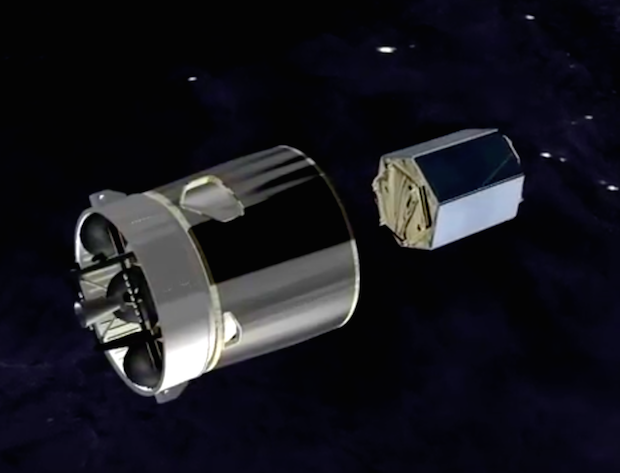
The Vespa dual-payload adapter jettisons to reveal the Venµs satellite.
T+00:53:05 – Third AVUM ignition
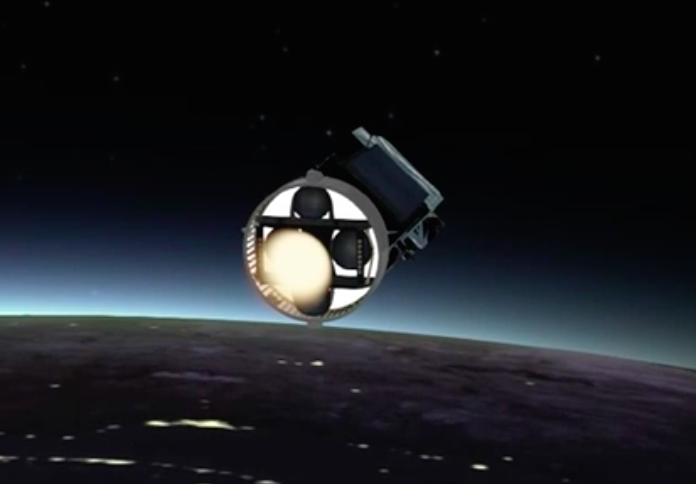
After jettisoning a cover to expose the Venµs satellite, the AVUM’s RD-843 engine fires a third time for a 58-second burn to boost into a higher orbit for deployment of Venµs.
T+00:54:03 – AVUM third cutoff
The AVUM fourth stage shuts down to begin a 41-minute coast phase before its next burn.
T+01:35:20 – Fourth AVUM ignition
The AVUM main engine ignites a fourth time for a 64-second burn.
T+01:36:24 – AVUM fourth cutoff
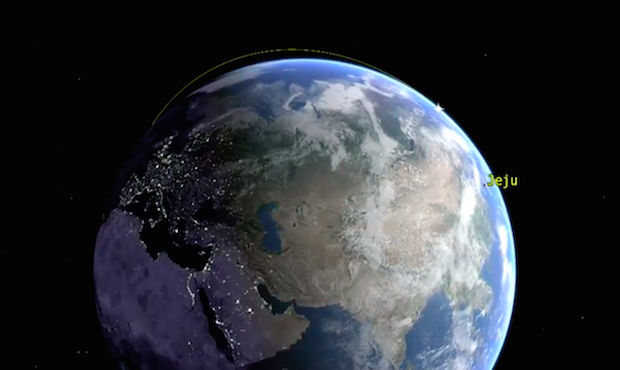
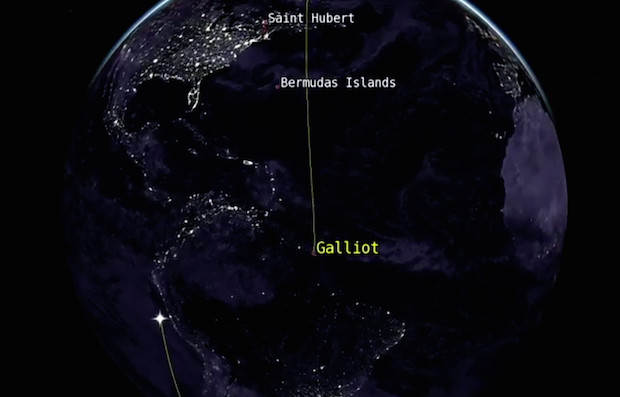
The RD-843 engine shuts down after reaching an orbit with an altitude of 447 miles (720 kilometers) and an inclination of 98 degrees. By this point in the mission, the Vega rocket has completed one orbit of the Earth and is flying over the west coast of South America.
T+01:37:37 – Venµs separation
The 582-pound (264-kilogram) Venµs environmental satellite deploys from the Vega rocket’s upper stage. The AVUM upper stage will ignite again at T+plus 1 hour, 47 minutes, for a de-orbit burn.
An electrical problem on one of the Ariane 5 rocket’s two solid rocket boosters led to an on-pad launch abort Tuesday, likely delaying liftoff with two U.S.-built communications satellites until around the end of September, Arianespace officials said.
Two navigation satellites joined China’s growing Beidou network with a successful rocket flight Friday that set a new record for the most Chinese space launches in a year.
Three experimental satellites sponsored by the U.S. military lifted off on an Electron rocket from Rocket Lab’s commercial spaceport in New Zealand on Sunday at 0600 GMT (2 a.m. EDT).