News

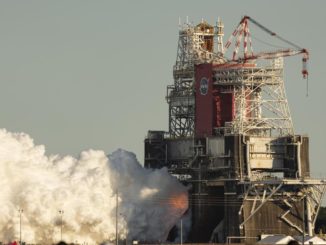
NASA officials said Tuesday the weekend test-firing of the Space Launch System moon rocket’s core stage was cut short by an out-of-limits parameter in a hydraulic system for gimbaling, or vectoring, one of its engines. NASA Administrator Jim Bridenstine told Spaceflight Now engineers are “feeling pretty good” about the data gathered during the shortened test-firing, and managers may decide to ship the SLS core stage to the Kennedy Space Center for launch preparations without re-attempting the planned eight-minute hot fire.
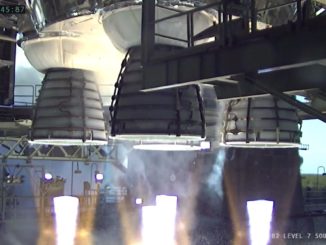
A critical test-firing of NASA’s Space Launch System moon rocket in Mississippi ended just 67 seconds after it began Saturday, well short of a planned eight-minute burn that was supposed to clear the way for the space agency to finally ship the rocket’s core stage to the Kennedy Space Center in Florida for launch preparations.
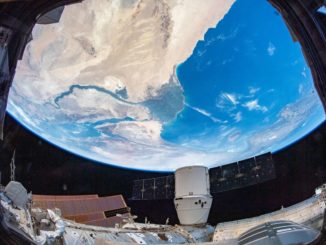
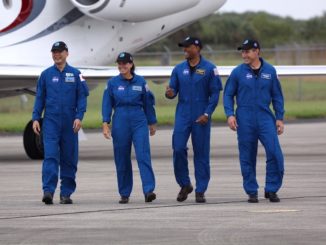

NASA has selected 14 companies for contracts of more than $370 million to advance technology for human missions to the moon and Mars. Most of the money will support flight demonstrations by SpaceX, United Launch Alliance, and other companies that could lead to in-space refueling and propellant depots for reusable lunar landers and deep space transportation vehicles.
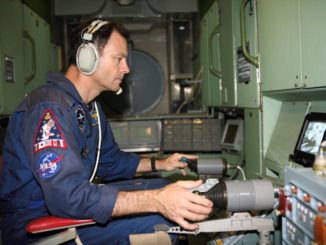
The chief executive of Axiom Space says agreements with NASA, SpaceX, and fare-paying passengers should be finalized in the coming weeks for the launch of the first all-private crew to the International Space Station in October 2021, and former NASA astronaut Michael Lopez-Alegria is set to command the mission.
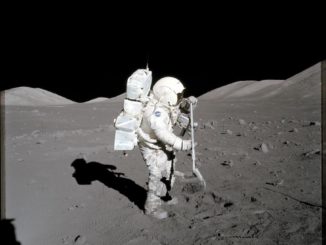
NASA officials released a nearly five-year, $28 billion plan Monday to return astronauts to the surface of the moon before the end of 2024, but the agency’s administrator said the “aggressive” timeline set by the Trump administration last year hinges on Congress approving $3.2 billion in the next few months to kick-start development of new human-rated lunar landers.
© 1999-2026 Spaceflight Now Inc