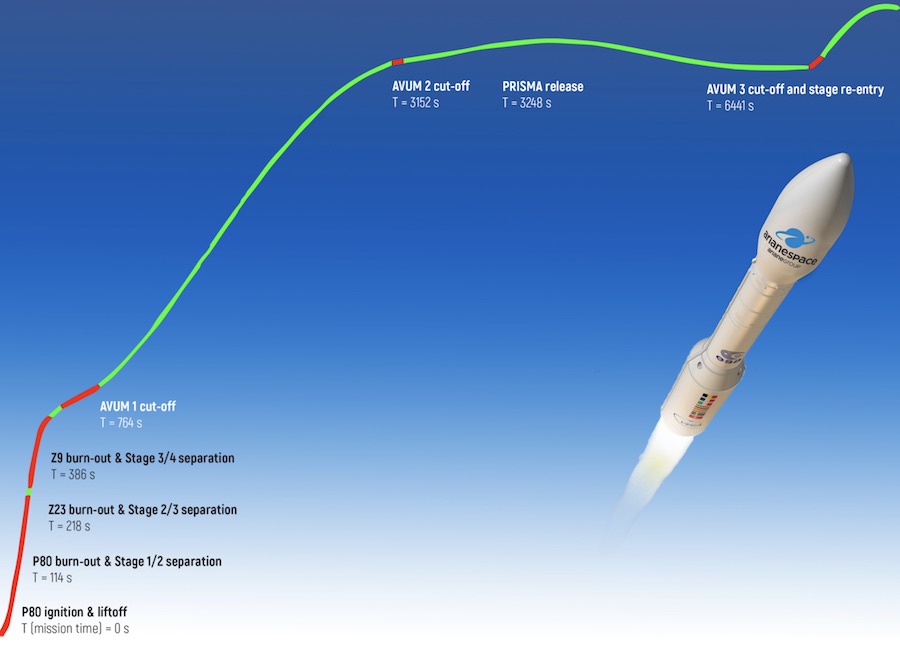
The Italian PRISMA Earth observation satellite is set to ride a Vega launcher into a 382-mile-high (615-kilometer) orbit Thursday night from French Guiana on a mission that will take less than one hour from liftoff until spacecraft separation.
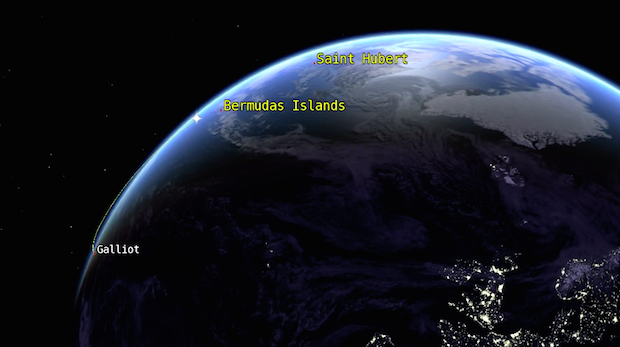
Liftoff is scheduled for March 21 at 9:50:35 p.m. EDT (0150:35 GMT on March 22) from the Vega launch pad at the Guiana Space Center, located on the northeastern coast of South America. The Vega launcher, primarily developed and built in Italy, will head north over the Atlantic Ocean to deliver the PRISMA imaging satellite into a sun-synchronous orbit flying from pole-to-pole.
It will be the 14th flight of a Vega rocket, and the first Vega mission of 2019.
Credit: Arianespace
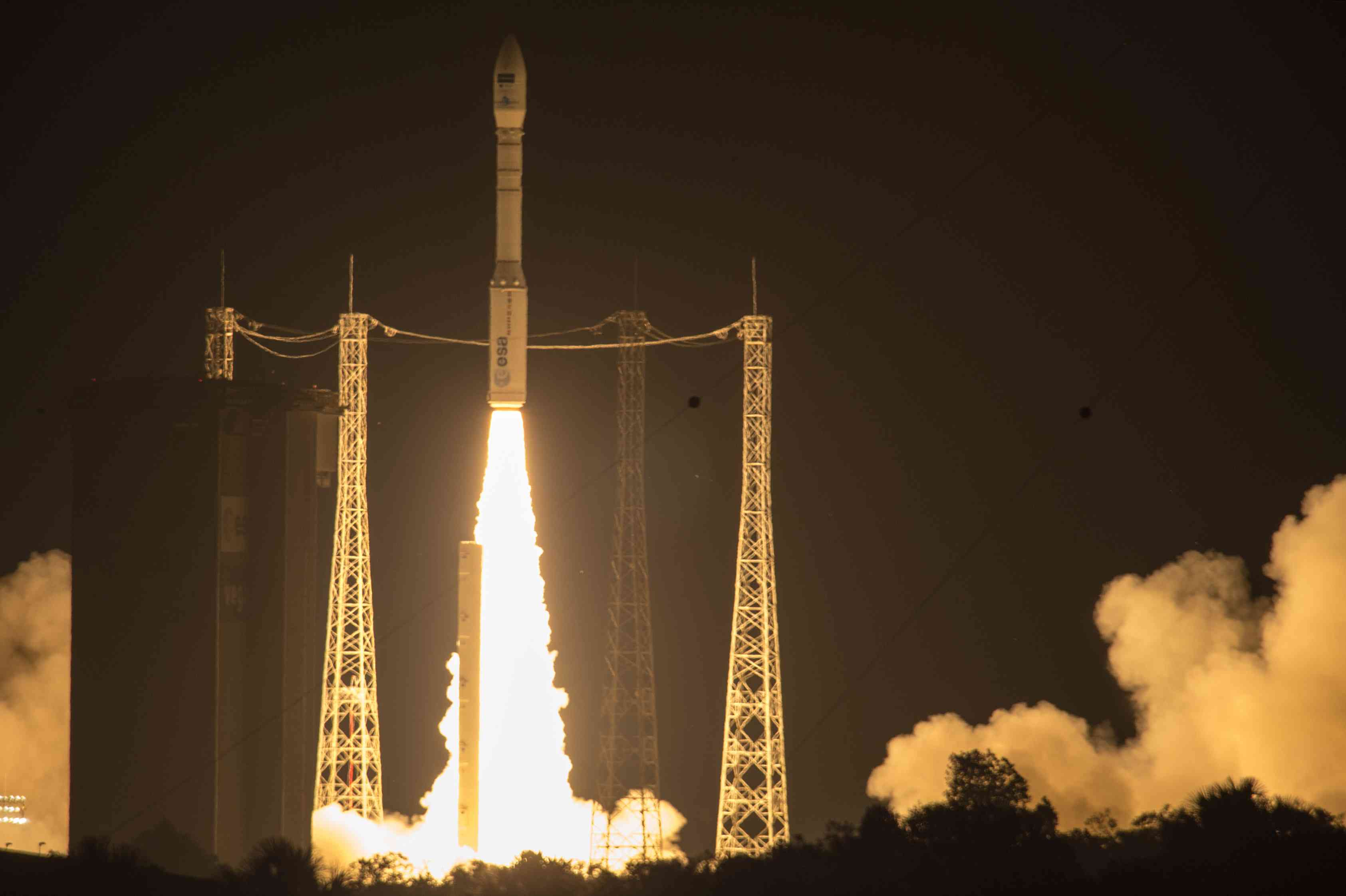
T+00:00:00 – Liftoff
The Vega rocket’s first stage P80 solid rocket motor ignites and powers the 98-foot-tall booster off the launch pad 0.3 seconds later. The P80 first stage motor generates a maximum of 683,000 pounds of thrust.
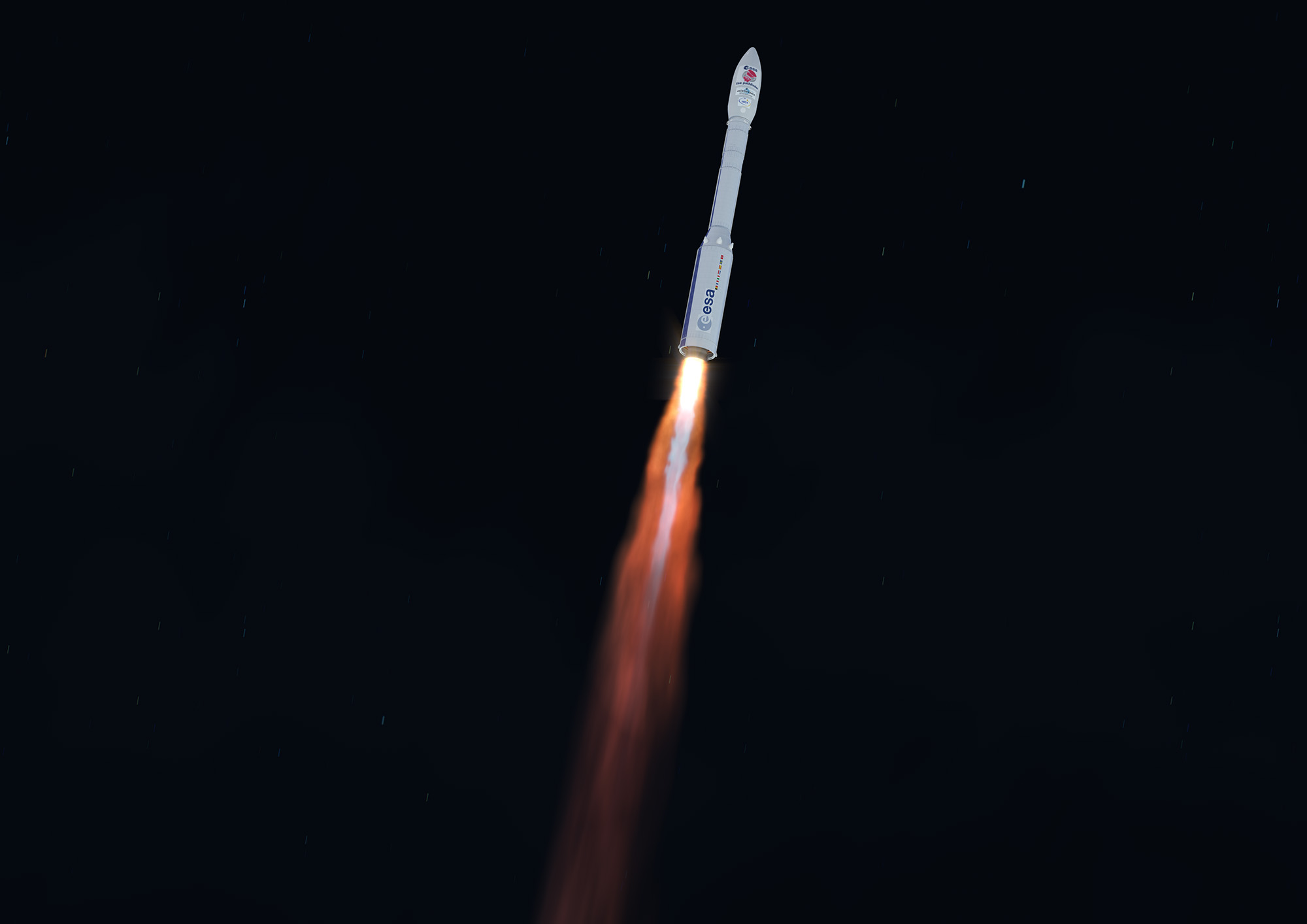
T+00:00:31 – Mach 1
The Vega rocket surpasses the speed of sound as it soars on a northerly trajectory from French Guiana. The rocket will reach Max-Q, the point of maximum aerodynamic pressure, at T+plus 53 seconds.
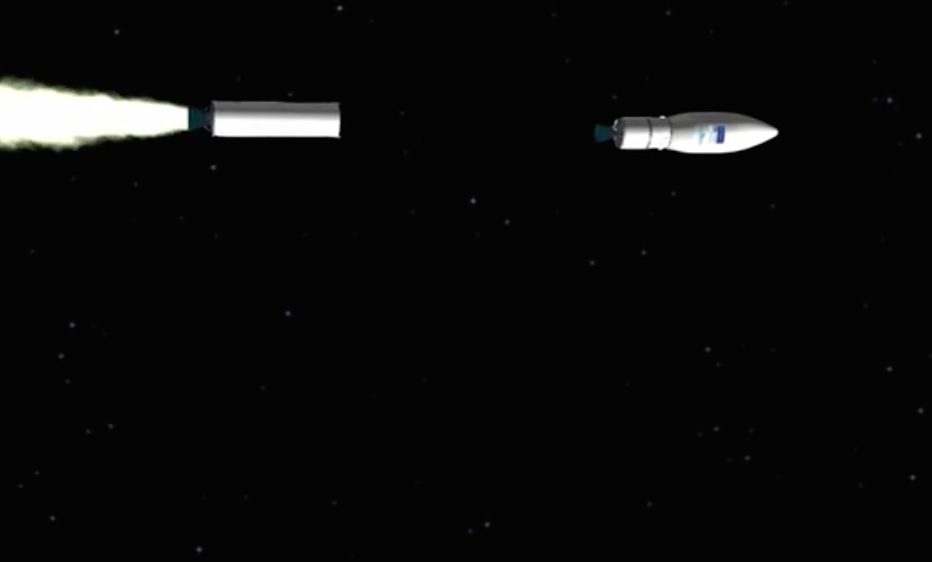
T+00:01:54 – First stage separation
Having consumed its 194,000 pounds (88 metric tons) of solid propellant, the 9.8-foot-diameter (3-meter) P80 first stage motor is jettisoned at an altitude of about 33 miles (53 kilometers). The second stage Zefiro 23 motor will ignite a second later to begin its 103-second firing.
T+00:03:38 – Second stage separation
The Zefiro 23 motor burns out and jettisons.
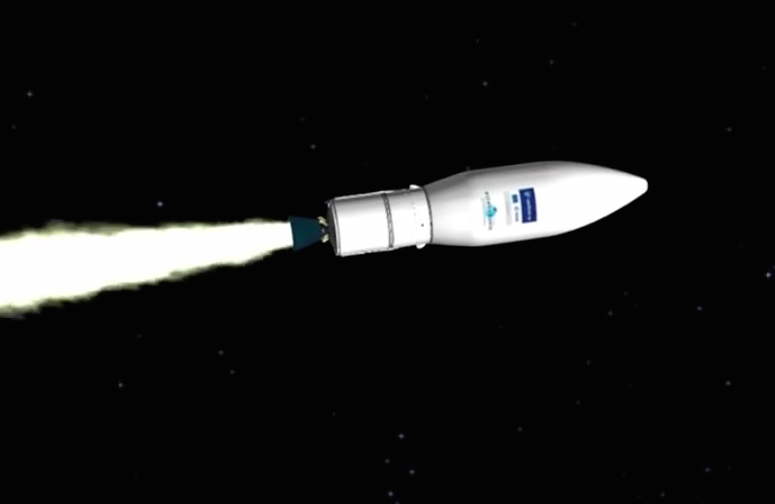
T+00:03:51 – Third stage ignition
Moving at a velocity of nearly 9,000 mph, or about 3.9 kilometers per second, the Vega rocket’s Zefiro 9 motor ignites for the third stage burn.
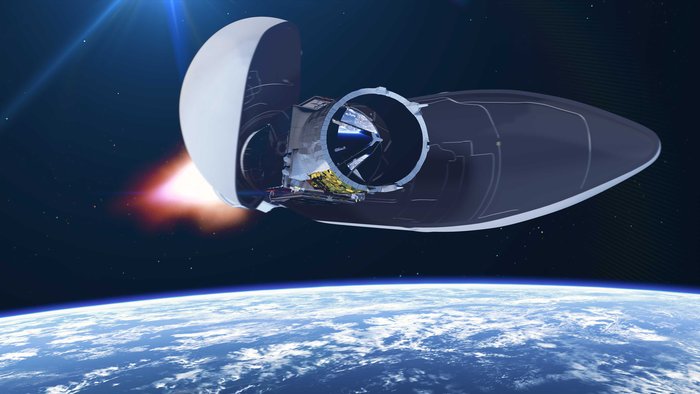
T+00:03:56 – Fairing separation
The Vega’s 8.5-foot-diameter (2.6-meter) payload fairing is released as the rocket ascends into space.
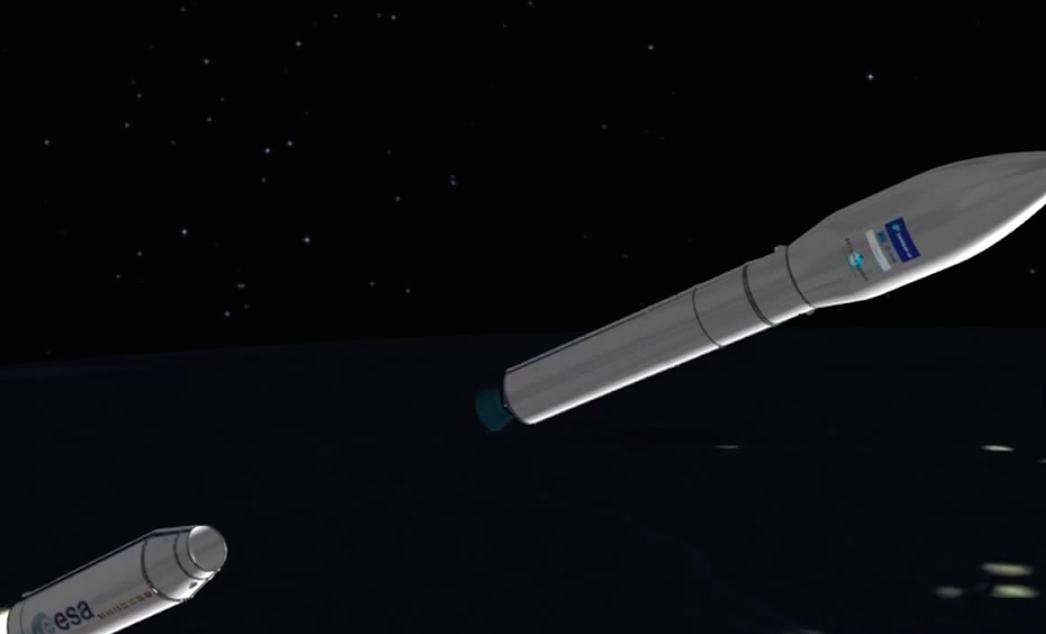
T+00:06:26 – Third stage separation
The Zefiro 9 third stage shuts down and separates, having accelerated the rocket to nearly orbital velocity.
T+00:08:06 – First AVUM ignition
The Vega rocket’s Attitude and Vernier Module, or fourth stage, ignites for the first time. The AVUM burns hydrazine fuel with an RD-843 engine provided by Yuzhnoye of Ukraine.
T+00:12:44 – AVUM first cutoff
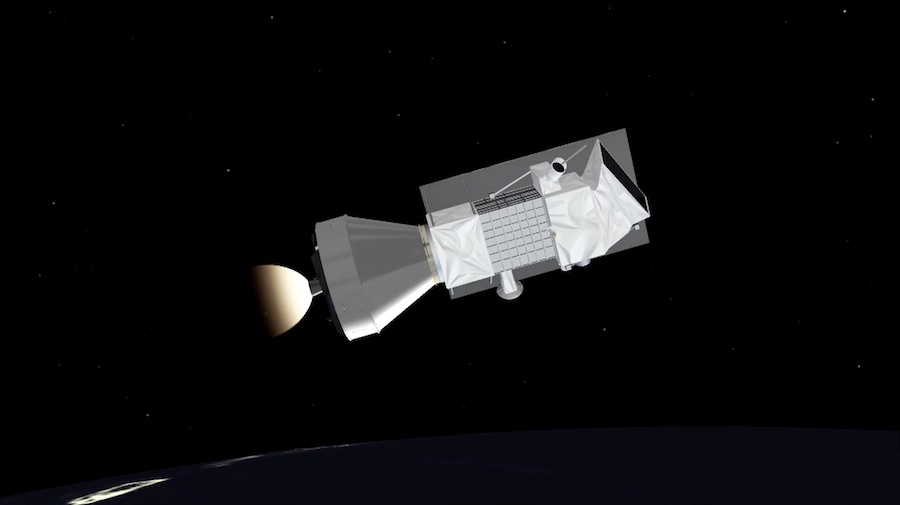
The Vega’s AVUM fourth stage is turned off after an 4-minute, 38-second burn, beginning a nearly 39-minute coast until the engine is ignited again.
T+00:51:20 – Second AVUM ignition
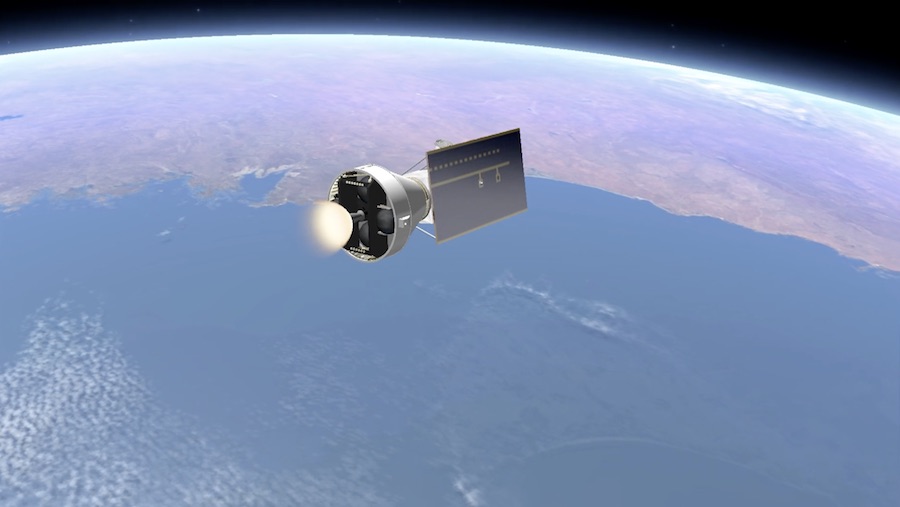
The AVUM fires a second time for a 72-second burn to put the PRISMA satellite into its targeted orbit.
T+00:52:32 – AVUM second cutoff
The AVUM engine shuts down after reaching a circular orbit with an altitude of 382 miles (615 kilometers), and an inclination of 97.88 degrees.
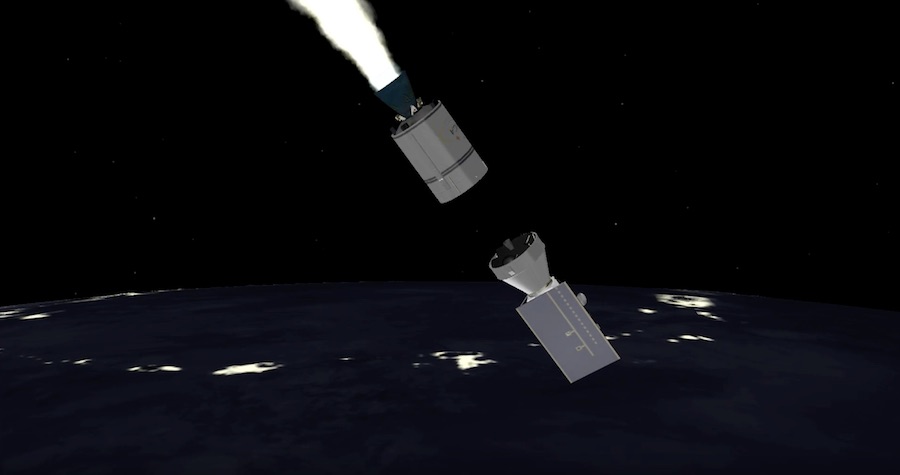
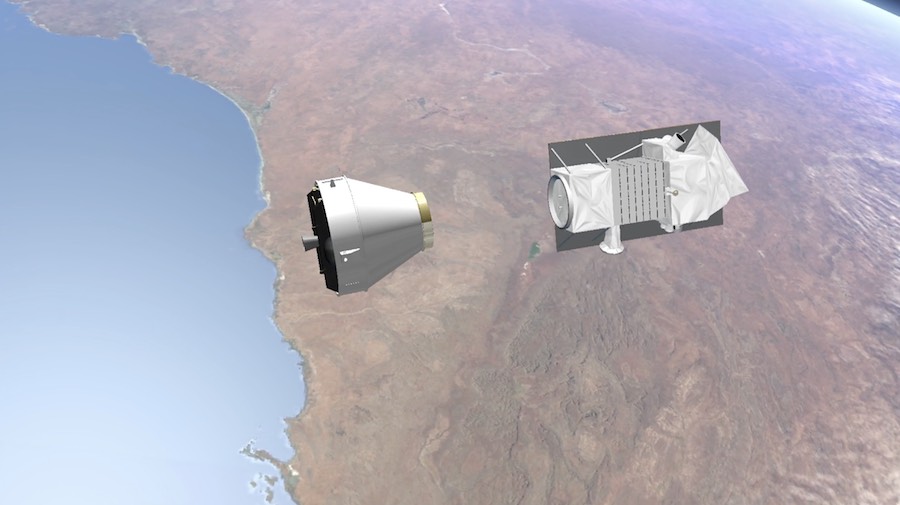
T+00:54:08 – PRISMA separation
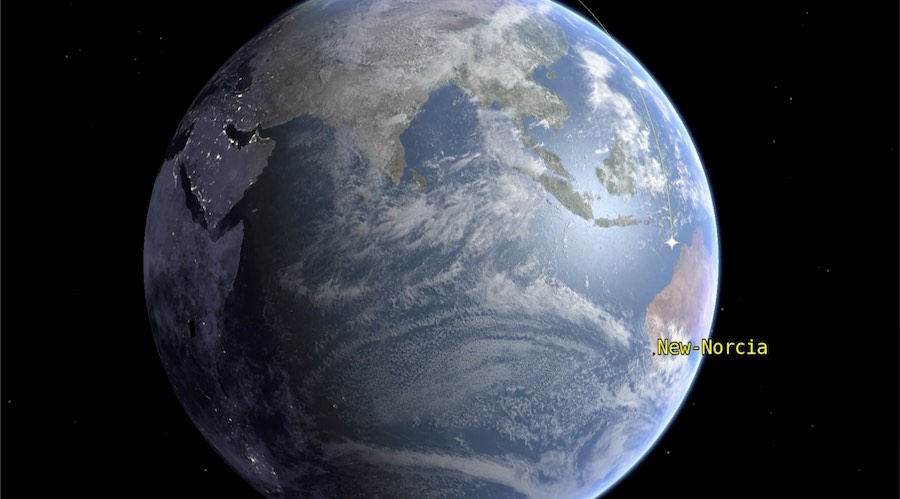
The Italian space agency’s PRISMA Earth observation satellite separates from the Vega’s AVUM upper stage.
A United Launch Alliance Atlas 5 rocket is set to carry Boeing’s Starliner crew capsule into space on an unpiloted test flight to the International Space Station. This timeline shows the major mission events planned from liftoff through Starliner’s orbital insertion burn about 31 minutes after launch.
The United Launch Alliance Delta 4 Medium+ (5,4) rocket lifted off Wednesday at 6:53 p.m. EST (2353 GMT) from Cape Canaveral to deploy the latest craft for the U.S. military’s Wideband Global SATCOM communications satellite constellation.
A signals intercepter for the U.S. spy satellite agency was successfully launched into a high orbit over the top of the world by an Atlas 5 rocket on Saturday night.