Follow the key events of the Falcon 9 rocket’s ascent into orbit from Cape Canaveral on SpaceX’s fifth operational resupply mission to the International Space Station. Times for re-entry and landing of the Falcon 9’s first stage have not been released by SpaceX.
Data source: SpaceX
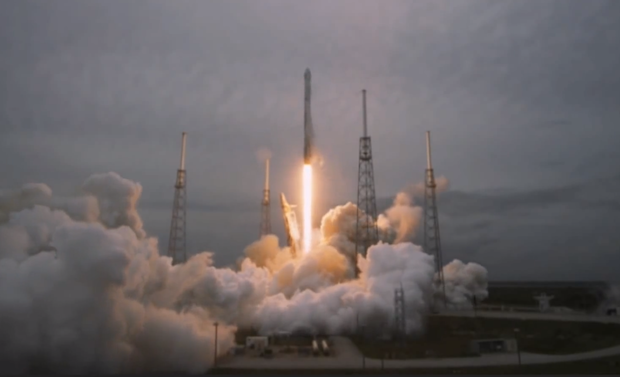
T-0:00:00: Liftoff
After the rocket’s nine Merlin engines pass an automated health check, four hold-down clamps will release the Falcon 9 booster for liftoff from Complex 40.
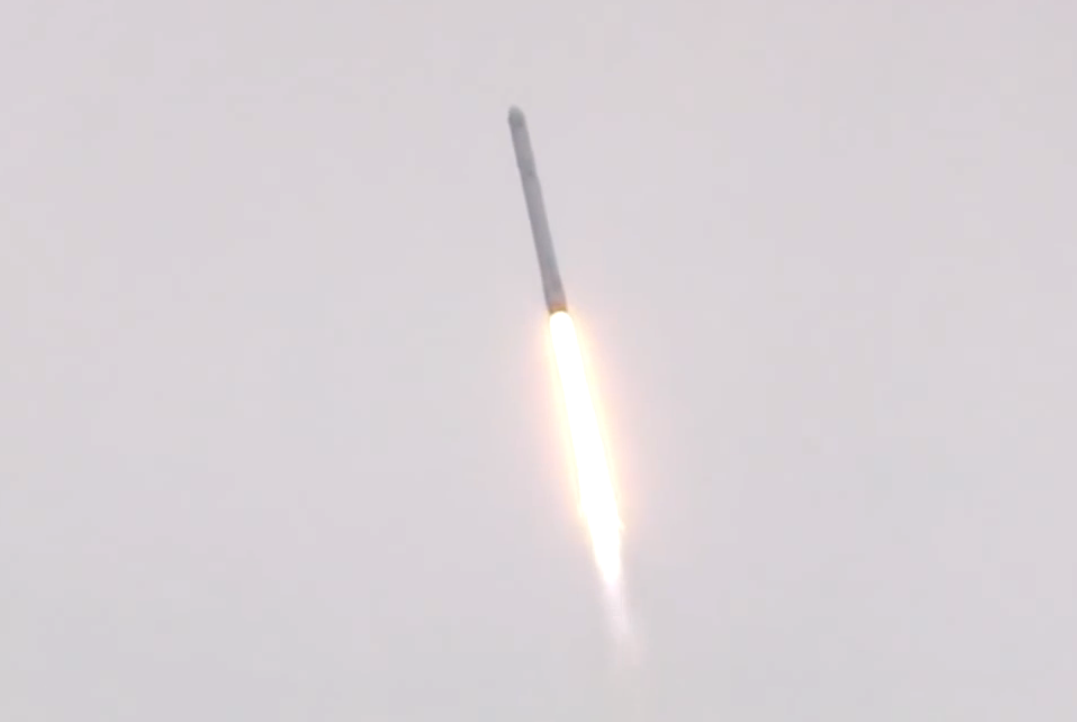
T+0:01:10: Mach 1
The Falcon 9 rocket reaches Mach 1, the speed of sound.
T+0:01:23: Max Q
The Falcon 9 rocket reaches Max Q, the point of maximum aerodynamic pressure.
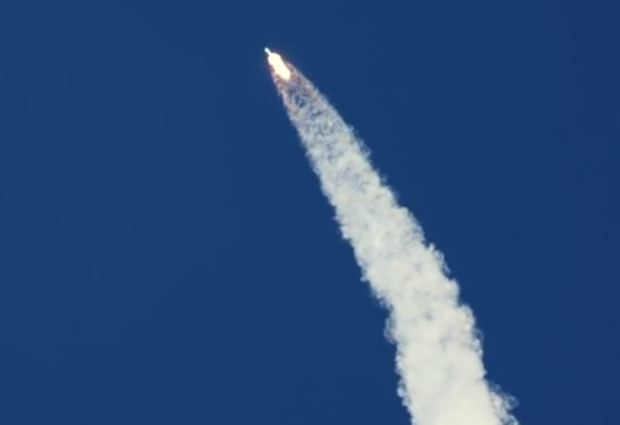
T+0:02:37: MECO
Moments after two of the Falcon 9’s first stage engines shut down, the remaining seven Merlin engines cut off at an altitude of 80 kilometers, or about 50 miles, and a velocity of Mach 10.
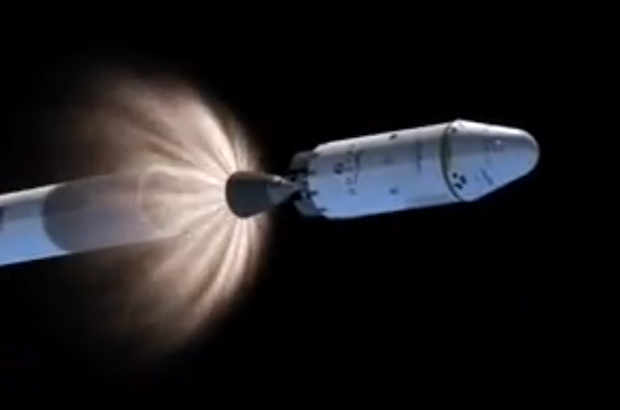
T+0:02:41: Stage 1 Separation
The Falcon 9’s first stage separates from the second stage four seconds after MECO. The spent stage will descend back to Earth for an attempted landing on a barge in the Atlantic Ocean.
T+0:02:49: Stage 2 Ignition
The second stage Merlin vacuum engine ignites for a nearly seven-minute burn to inject the Dragon payload into orbit.
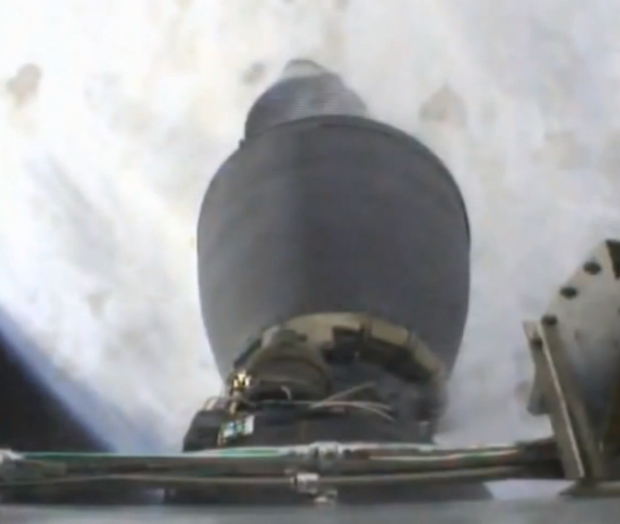
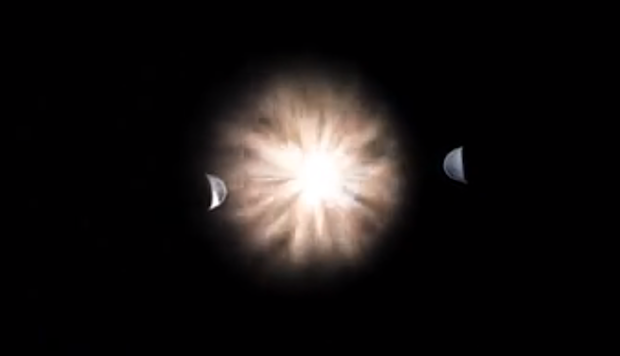
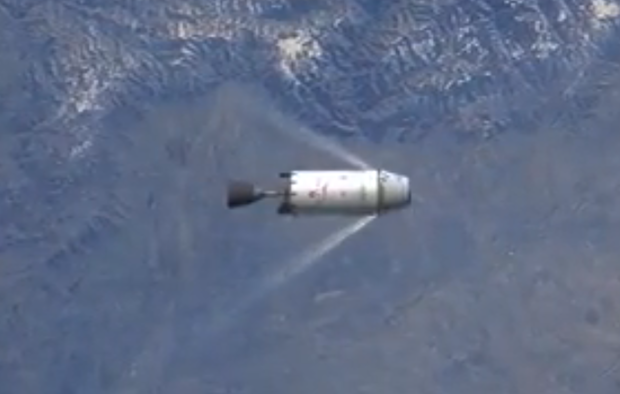
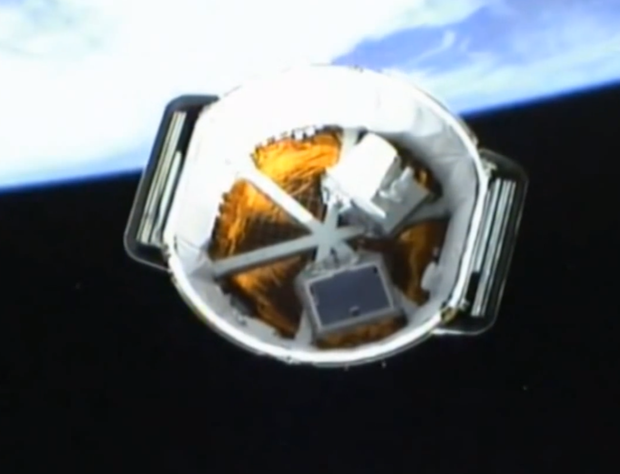
T+0:03:29: Nose Cone Jettison
The nose cone covering the Dragon spacecraft’s berthing port is jettisoned after the rocket climbs above the dense lower atmosphere.
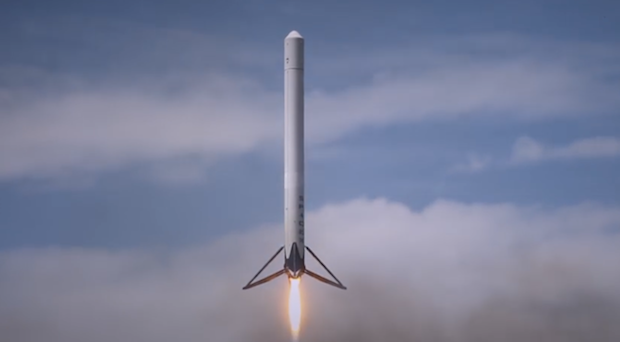
T+0:09:00: First Stage Landing
The Falcon 9’s first stage will land on SpaceX’s autonomous spaceport drone ship in the Atlantic Ocean.
T+0:09:27: SECO
The second stage Merlin vacuum engine shuts down after reaching a target orbit with a low point of 199.2 kilometers (123.8 miles), a high point of 365.5 kilometers (227.1 miles), and an inclination of 51.6 degrees.
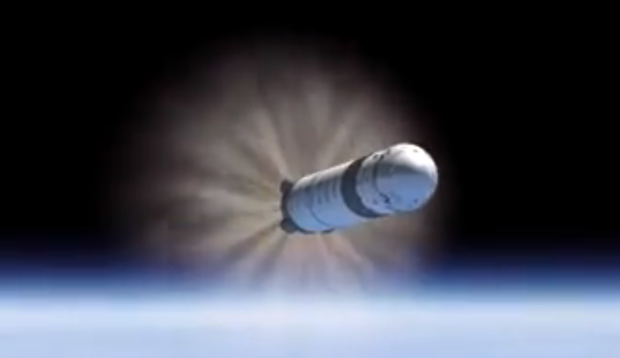
T+0:10:02: Dragon Separation
The Dragon spacecraft separates from the Falcon 9 second stage to begin pursuit of the International Space Station.
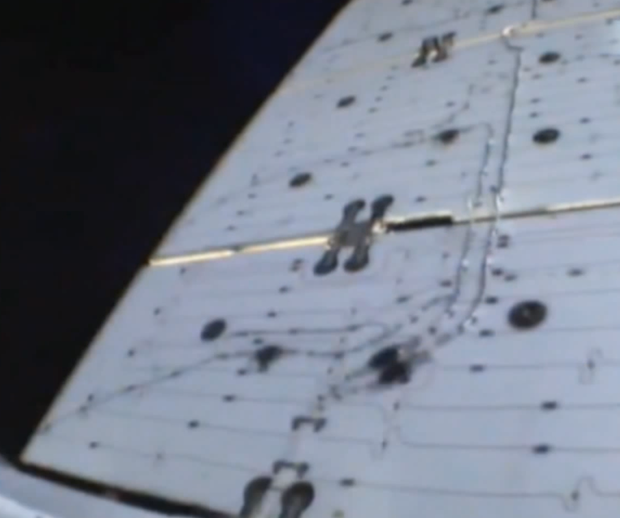
T+0:12:00: Begin Solar Array Deployment
Dragon’s two power-producing solar arrays begin unfolding after their covers are jettisoned. The solar arrays extend 54 feet tip-to-tip.
SpaceX’s Dragon supply ship wrapped up a 29-day stay at the International Space Station on Tuesday, departing the complex with with nearly 3,700 pounds of research specimens and return cargo before re-entering the atmosphere and splashing down in the Pacific Ocean.
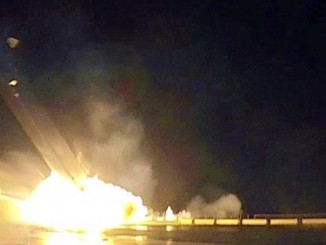
SpaceX founder and chief executive Elon Musk has shared images of the Falcon 9 booster’s crash landing on a ship in the Atlantic Ocean after the rocket’s successful Jan. 10 liftoff with supplies for the International Space Station.
SpaceX fueled up a Falcon 9 rocket, ran through a mock countdown and fired the booster’s nine Merlin main engines Friday in a successful preflight static fire test officials hope will clear the way for liftoff Jan. 6 on a space station resupply mission.