News Archive
Browse every article published on Spaceflight Now, from launch reports and mission previews to spacecraft development coverage. Use the filters to narrow by topic or search by keyword.
Matching Articles
81 articles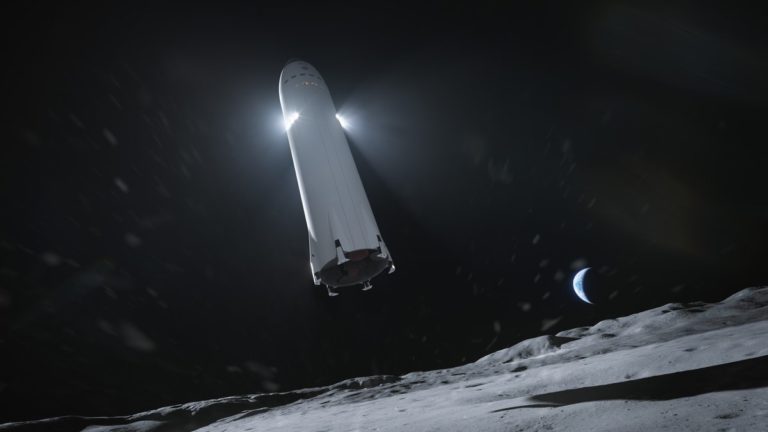
Companies release new details on human-rated lunar lander concepts
The next time astronauts land on the moon, they will ride to the lunar surface in a spacecraft that looks a lot different than the Apollo-era landing module last used in 1972. Lander concepts proposed by SpaceX, Blue Origin and Dynetics -- which won a combined $967 million in NASA funding Thursday -- take wildly different approaches to carrying crews to the moon.
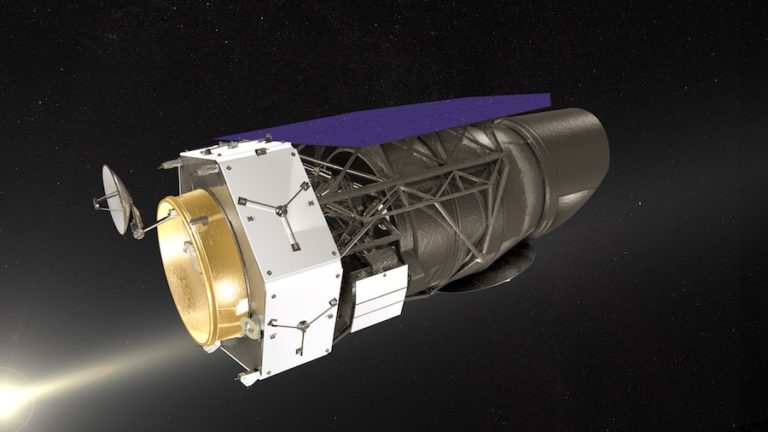
NASA to consider WFIRST launch options after mission passes key review
NASA expects to select a launch vehicle next year to carry the Wide Field Infrared Survey Telescope -- a multibillion-dollar flagship astrophysics observatory targeted for cancellation by the Trump administration -- into space in 2025 after the mission passed a key review last month, agency officials said.

Astrobotic lunar lander to launch on ULA’s first Vulcan rocket
Astrobotic, a Pittsburgh-based company developing a robotic lunar lander, will launch its first moon mission under contract to NASA on the debut flight of United Launch Alliance's Vulcan Centaur rocket in 2021, officials announced Monday.
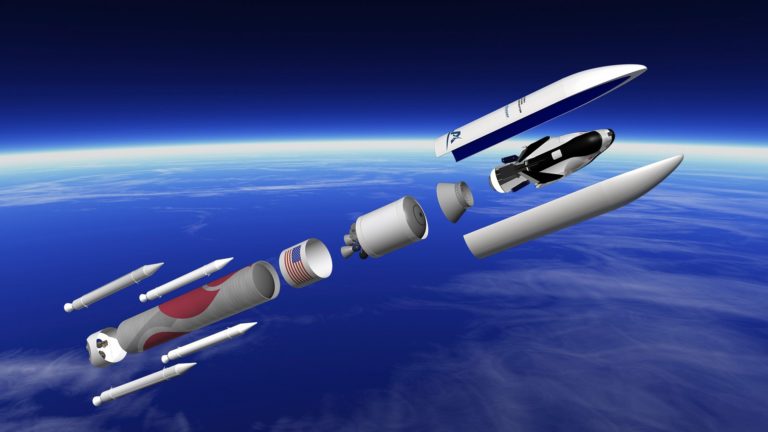
Sierra Nevada selects ULA’s Vulcan rocket to launch Dream Chaser missions
Sierra Nevada Corp. has booked at least six launches on United Launch Alliance's new Vulcan Centaur rocket to carry Dream Chaser supply ships into orbit on cargo runs to the International Space Station beginning in 2021, becoming the first confirmed customer for ULA's next-generation launcher.
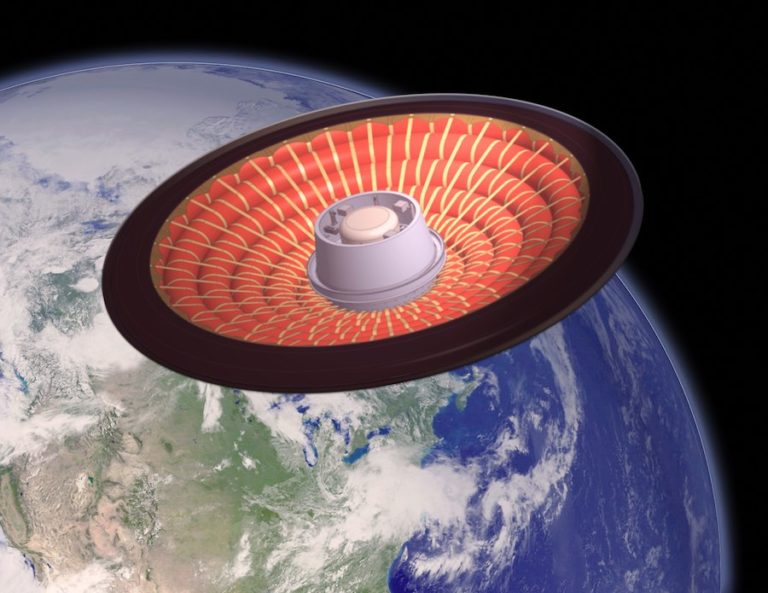
NASA, ULA find launch opportunity for inflatable heat shield demonstrator
A flight demonstration of an inflatable heat shield that could be used to retrieve reusable engines from United Launch Alliance's next-generation Vulcan rocket, and for the delivery of heavier cargo to the surface of Mars, is planned for launch in late 2021 or early 2022 as a piggyback payload on an Atlas 5 rocket with a NOAA weather satellite.
ULA, Blue Origin, Northrop Grumman share Air Force rocket funding
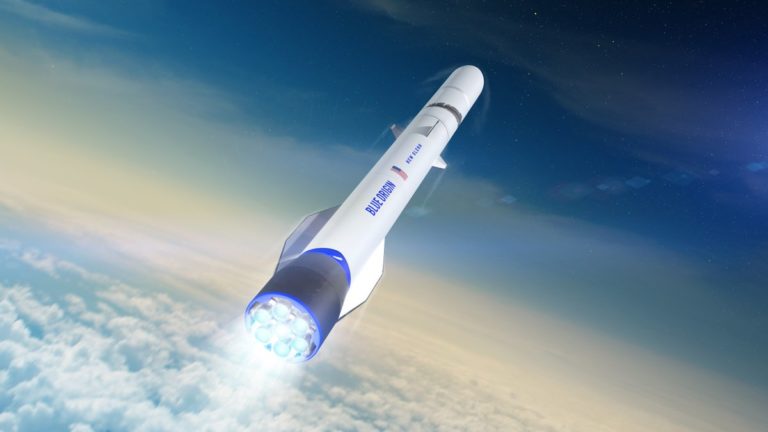
The U.S. Air Force has committed $109 million in funding to advance development of new rockets designed by United Launch Alliance, Blue Origin and Northrop Grumman, leaving out SpaceX in a government investment round that will lead to the military's selection of two long-term launch providers in late 2019 or 2020.
Bezos rocket engine selected for new Vulcan rocket
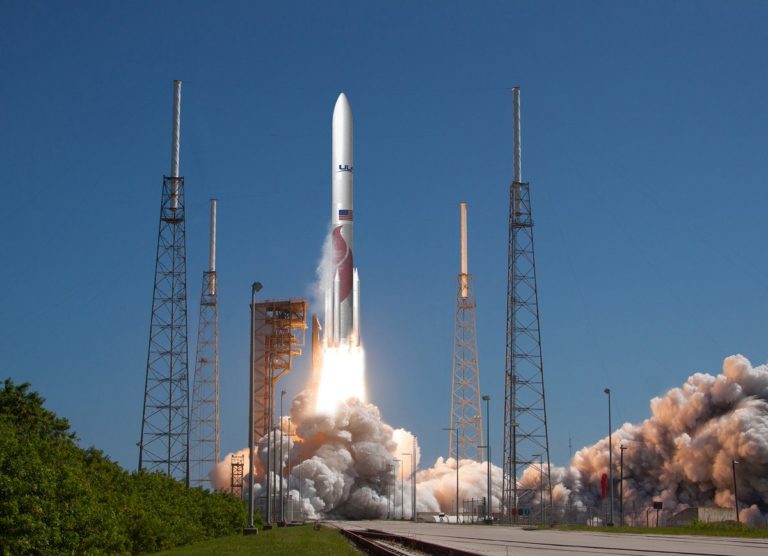
Ending months of speculation, Blue Origin, a company owned by Amazon-founder Jeff Bezos, has won a milestone contract to provide first-stage rocket engines for a powerful new booster being designed by United Launch Alliance to replace its current fleet of Atlas and Delta launchers, the companies announced Thursday.
ULA touts new Vulcan rocket in competition with SpaceX
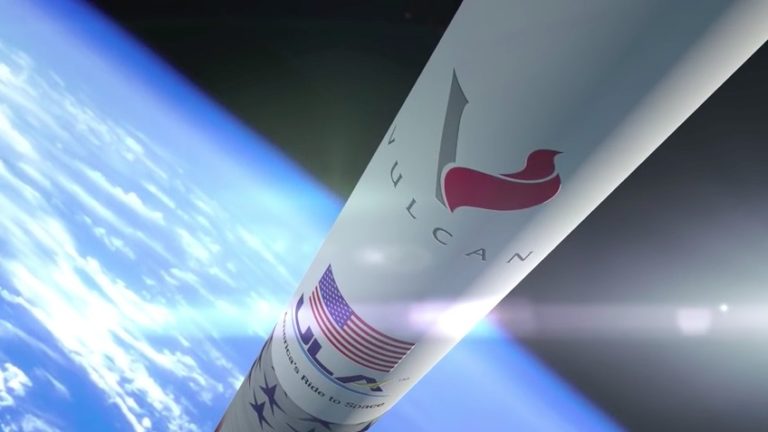
SpaceX and its visionary founder Elon Musk win the lion's share of public attention in the commercial rocket arena, with dramatic, increasingly routine booster landings and spectacular stunts like the launch of Musk's Tesla Roadster on the maiden flight of the company's new Falcon Heavy rocket last month.
World’s largest methane-fueled rocket engine test-fired by Blue Origin
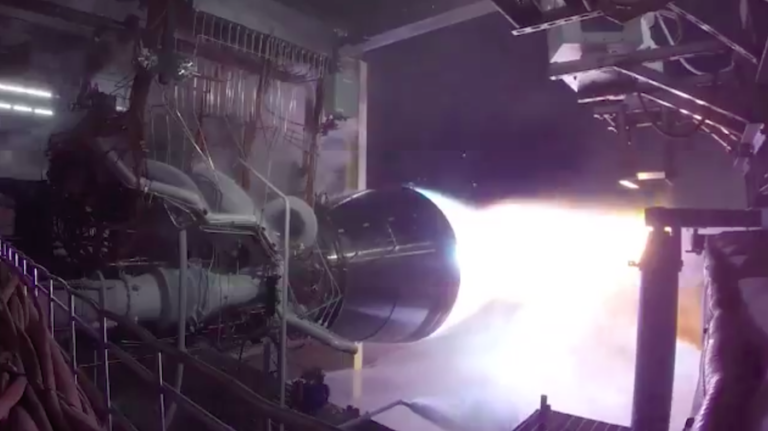
Blue Origin has conducted the first hotfire test of its BE-4 rocket engine in West Texas, a powerplant fueled by liquified natural gas and liquid oxygen that will power the company's heavy-lift New Glenn rocket and perhaps United Launch Alliance's next-generation Vulcan launcher, officials announced Thursday.
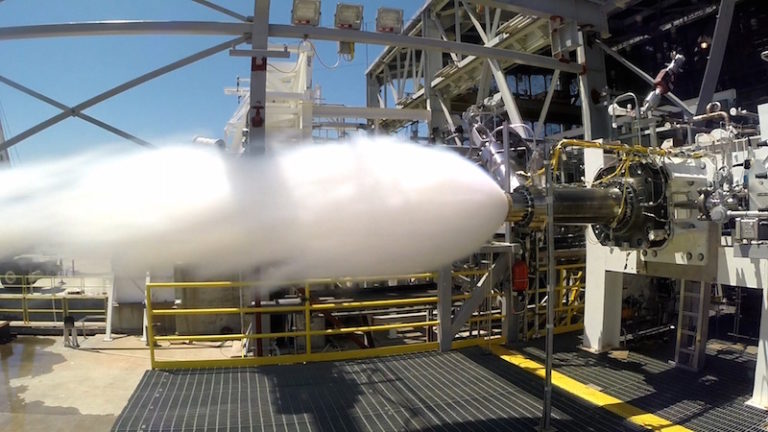
AR1 engine clears milestone in step toward ending U.S. reliance on Russian propulsion
A rocket engine that could power United Launch Alliance's next-generation rocket has passed a major design review, clearing the way for full-scale hotfire testing starting next year and certification for test flights in 2019, according to Aerojet Rocketdyne, the powerplant's developer.