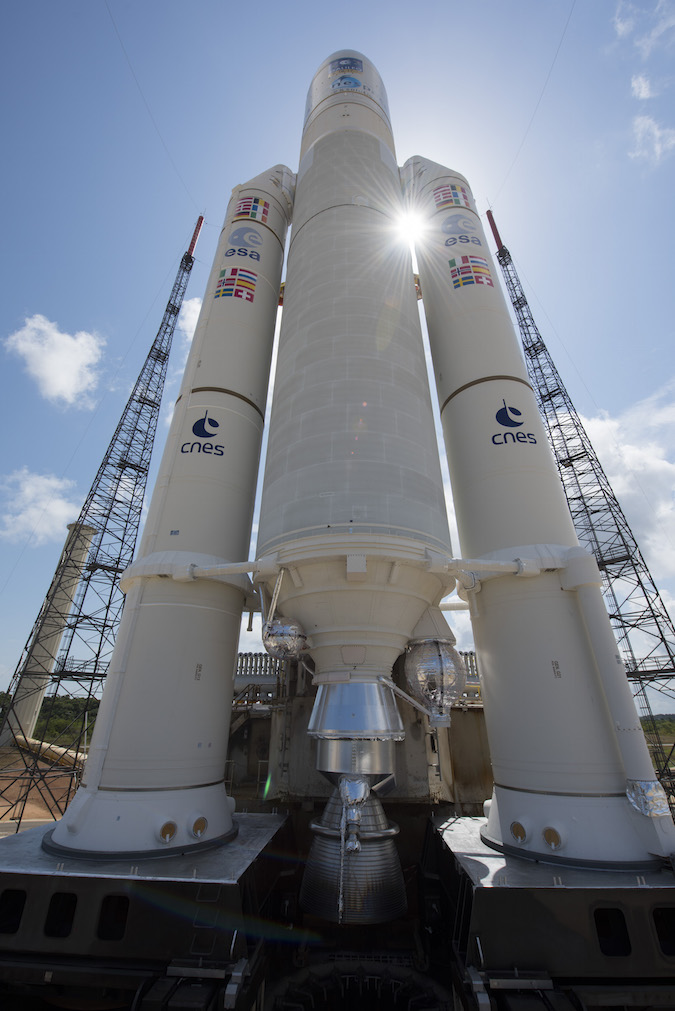
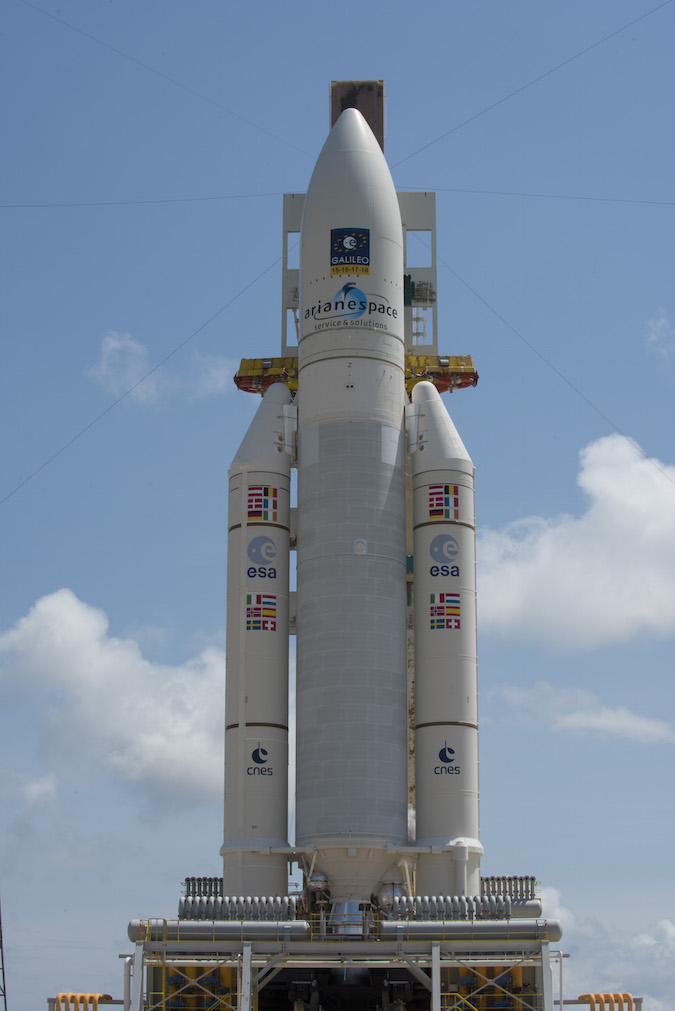
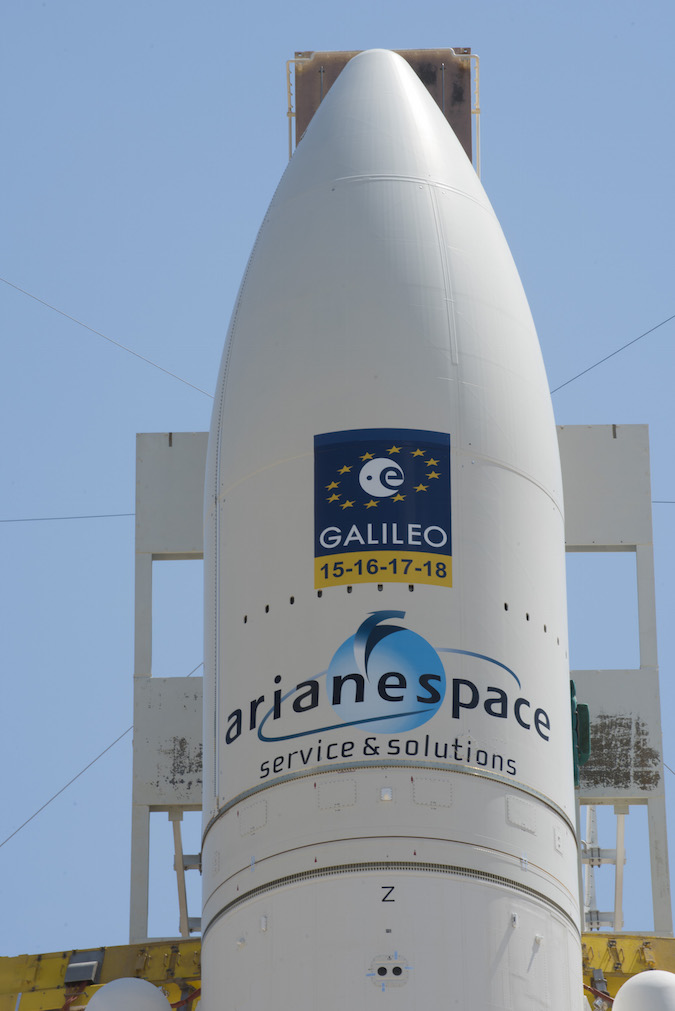
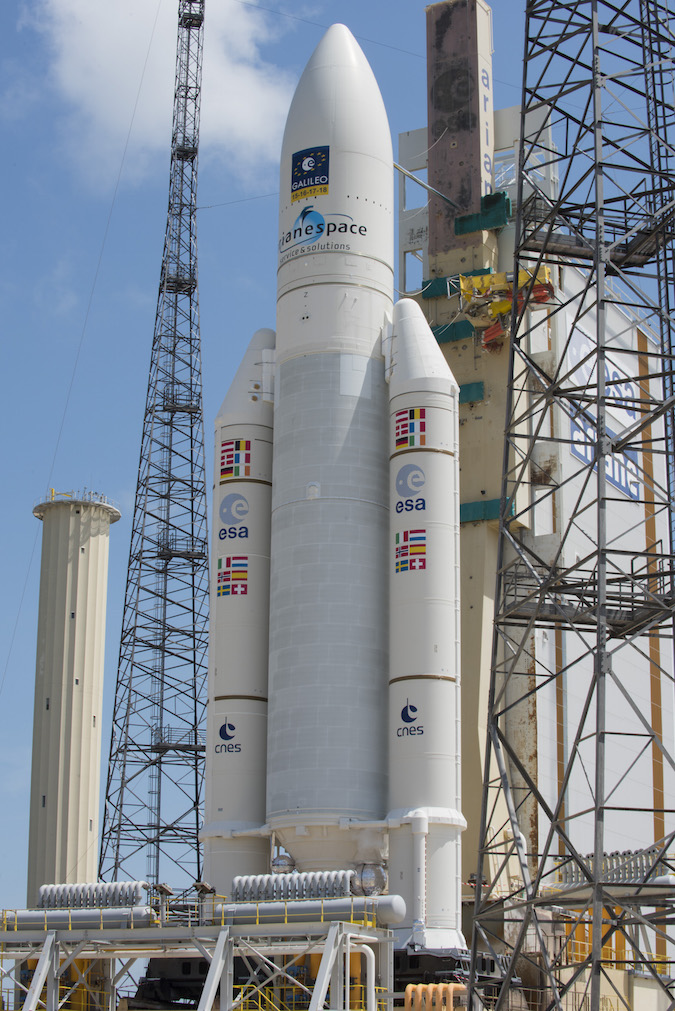
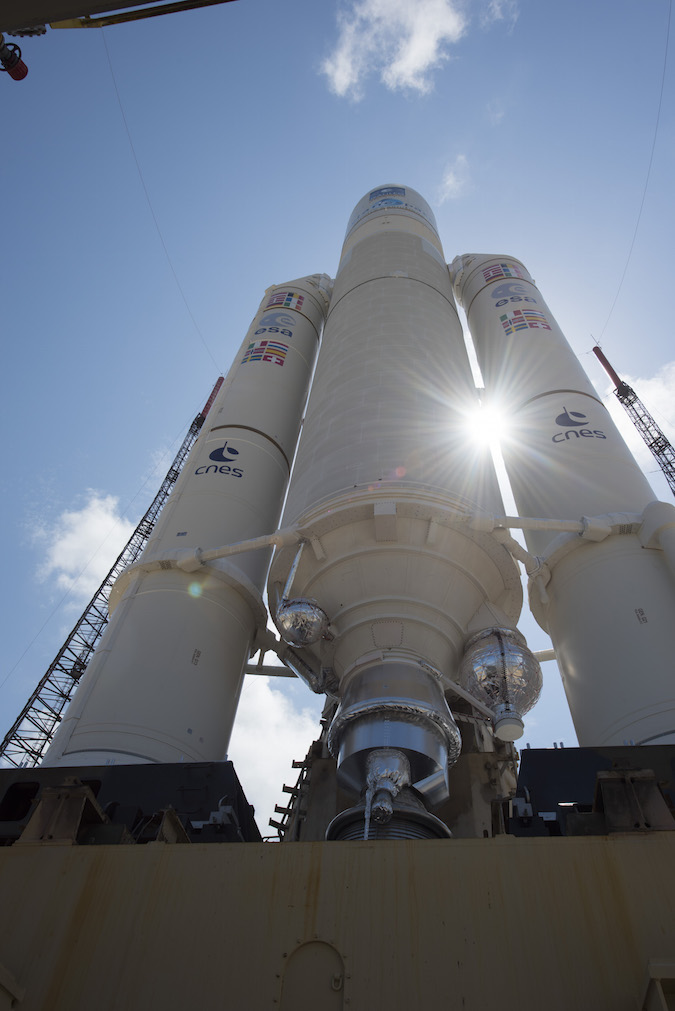
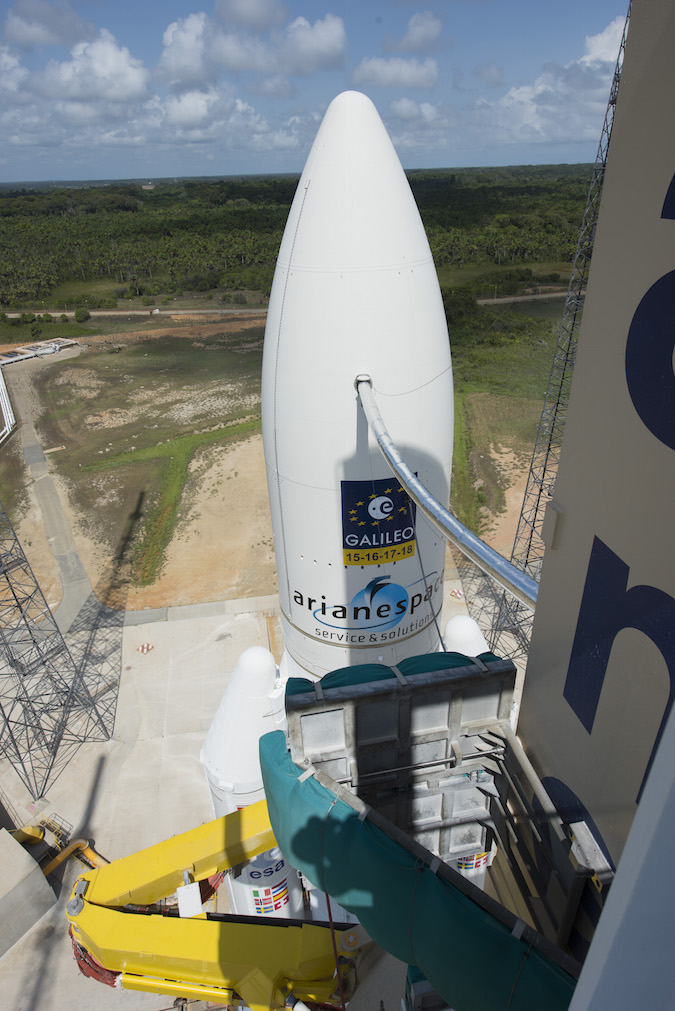
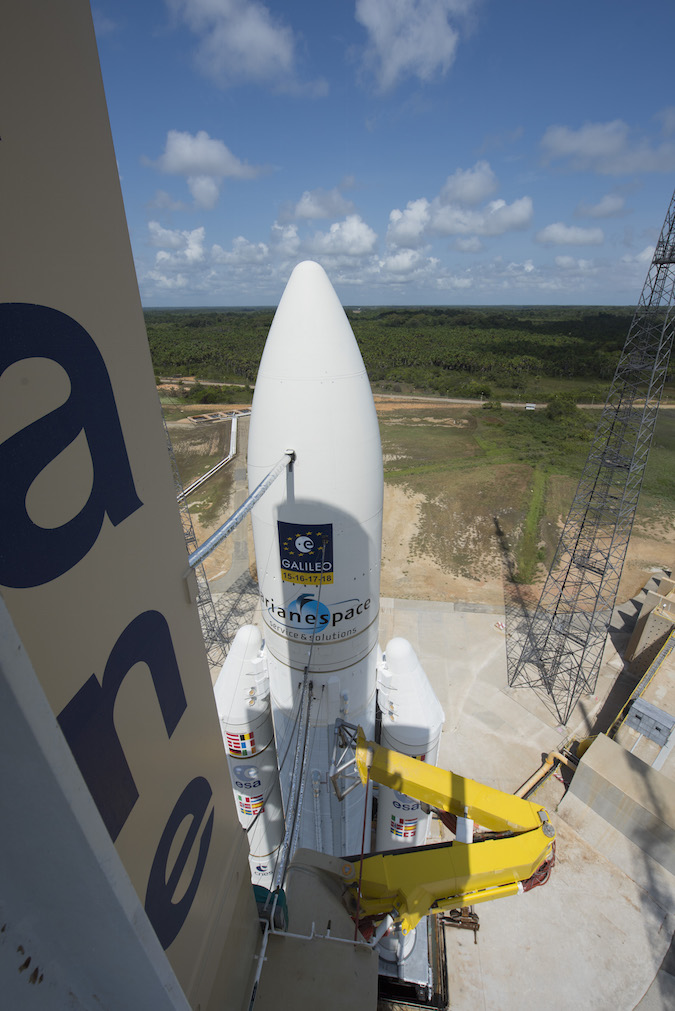
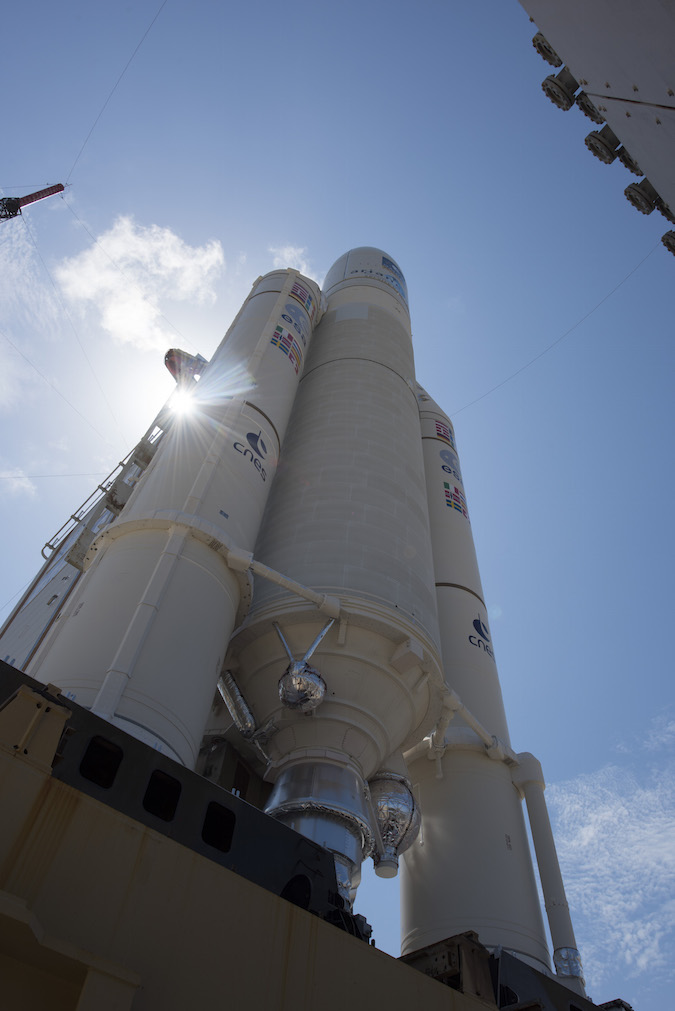
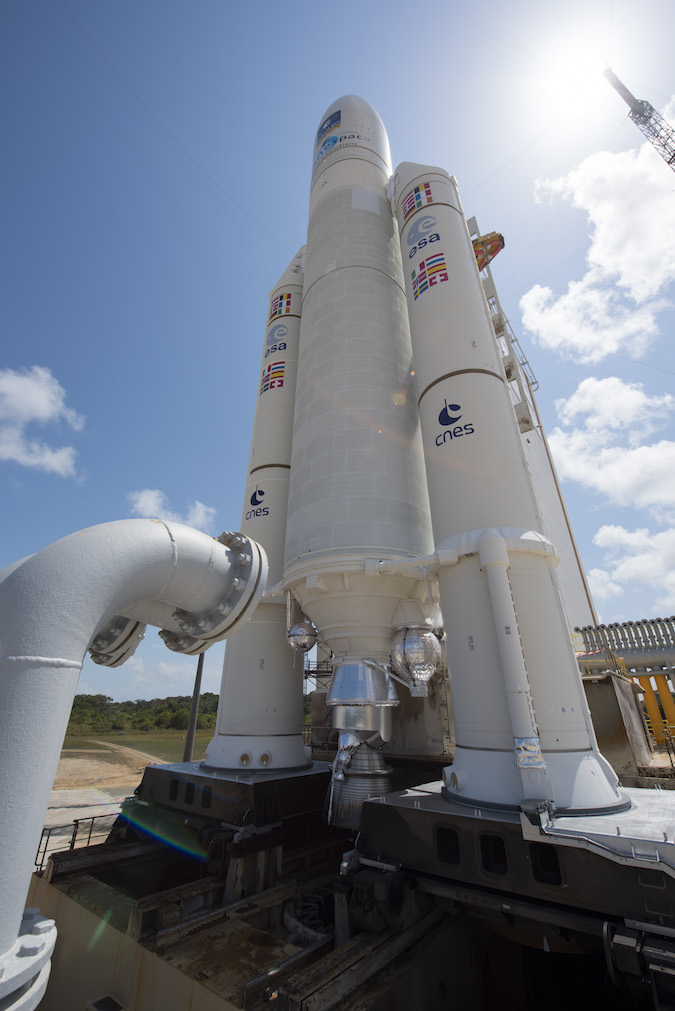
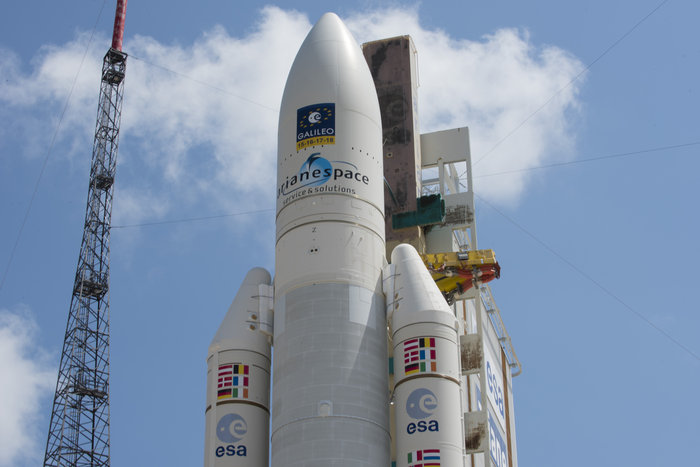
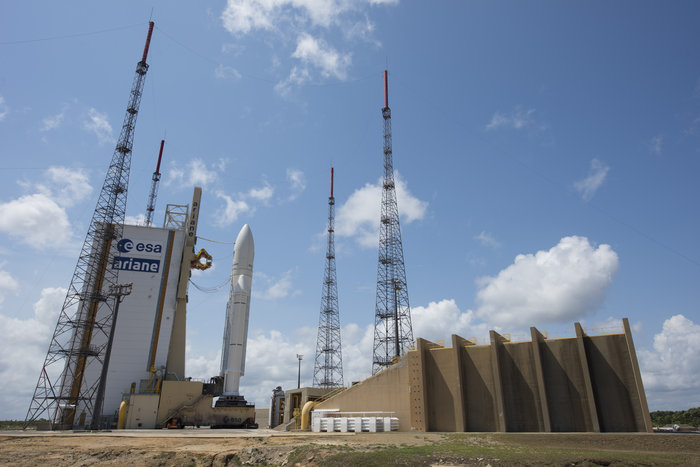
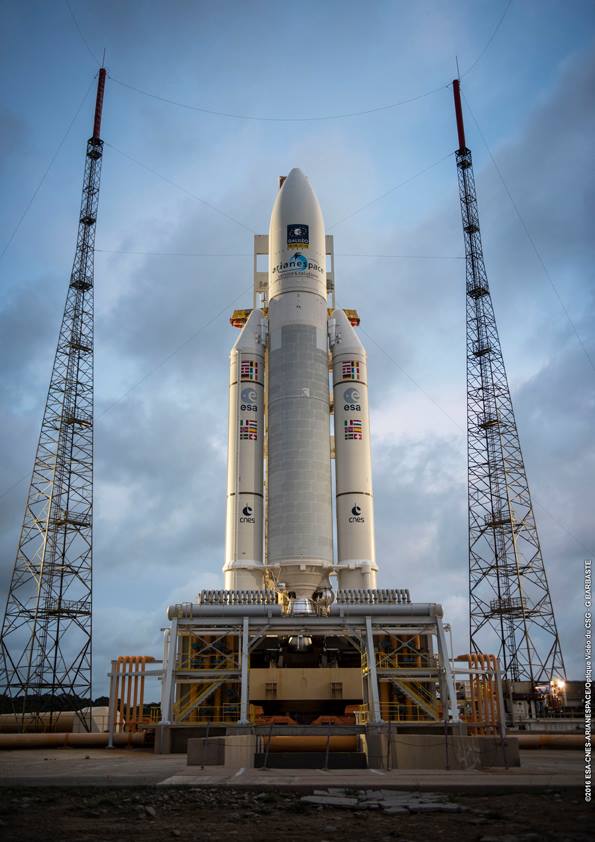
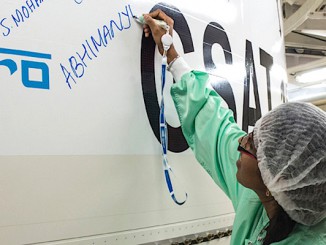
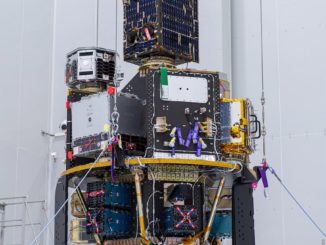
Take a walk around the Ariane 5 launch pad in French Guiana after the 16-story rocket arrived at the complex for liftoff Thursday with four European Galileo navigation satellites.
Read our launch preview for more information on the mission.
Credit: ESA–Stephane Corvaja, 2016Credit: ESA–Stephane Corvaja, 2016Credit: ESA–Stephane Corvaja, 2016Credit: ESA–Stephane Corvaja, 2016Credit: ESA–Stephane Corvaja, 2016Credit: ESA–Stephane Corvaja, 2016Credit: ESA–Stephane Corvaja, 2016Credit: ESA–Stephane Corvaja, 2016Credit: ESA–Stephane Corvaja, 2016Credit: ESA–Stephane Corvaja, 2016Credit: ESA–Stephane Corvaja, 2016Credit: ESA–Stephane Corvaja, 2016Credit: ESA–Stephane Corvaja, 2016Credit: ESA/CNES/Arianespace – Photo Optique Video du CSG – G. BarbasteCredit: ESA/CNES/Arianespace – Photo Optique Video du CSG – G. BarbasteCredit: ESA/CNES/Arianespace – Photo Optique Video du CSG – G. Barbaste
A launch readiness review Friday cleared an Ariane 5 rocket for liftoff Tuesday with two communications satellites for Arabsat and India, the first three missions from Europe’s spaceport in French Guiana scheduled in less than 40 days.
Launch campaigns at the European-run spaceport in French Guiana — a home base for Ariane 5, Soyuz and Vega rockets — have been suspended due to the coronavirus pandemic, Arianespace said Monday.
Debuting a two-tier structure designed to accommodate dozens of small satellites on a single mission, an Italian-made Vega rocket is set for liftoff Saturday night from the northeastern coast of South America on a flight to demonstrate European industry’s answer to growing rideshare launch demand.