News Archive
Browse every article published on Spaceflight Now, from launch reports and mission previews to spacecraft development coverage. Use the filters to narrow by topic or search by keyword.
Matching Articles
10 articles
NASA’s final two TROPICS CubeSats launched by Rocket Lab
The last two spacecraft in a four-satellite constellation of tropical cyclone research platforms took off late Thursday from New Zealand on a Rocket Lab Electron launcher, helping ensure NASA's TROPICS mission is ready for observations in time for the peak of this year's Atlantic hurricane season.
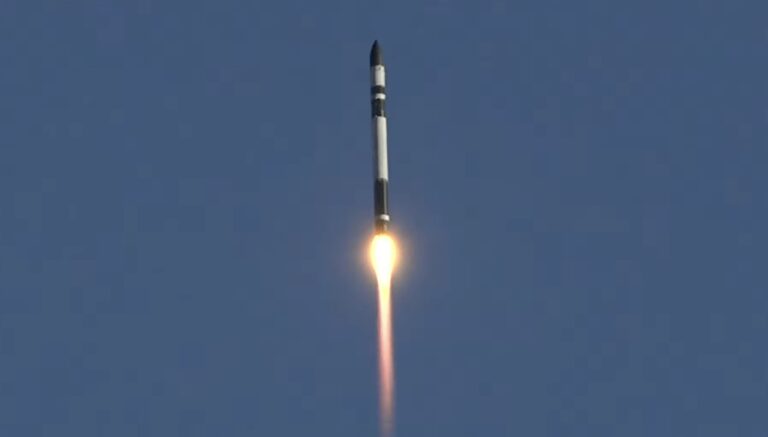 Video
Live coverage: Rocket Lab launches NASA’s final two TROPICS satellites
NASA's final pair of TROPICS hurricane research satellites lifted off on a Rocket Lab Electron launch vehicle from New Zealand on Thursday night (U.S. time). The two identical shoebox-size spacecraft launched at 11:46 p.m. EDT Thursday (0346 UTC Friday) from Rocket Lab's privately-owned spaceport on Mahia Peninsula in New Zealand.
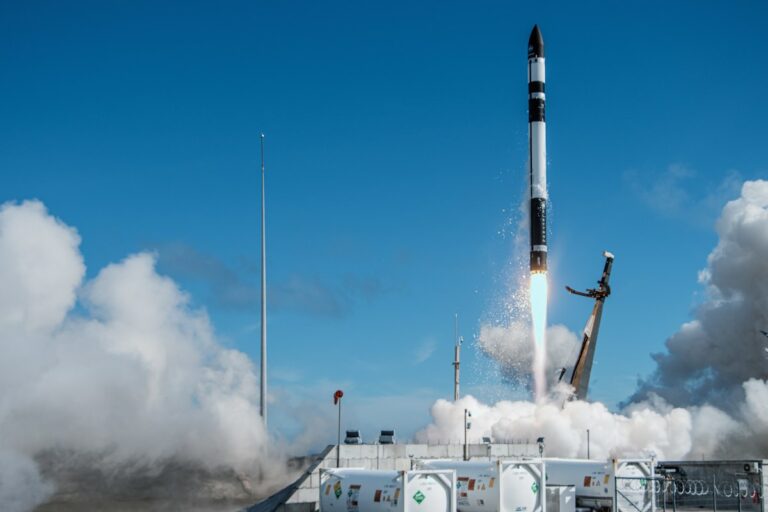
Electron rocket launches pair of cyclone-tracking CubeSats for NASA
The first pair of four NASA CubeSats designed to provide frequent updates of typhoon and hurricane development for new insights into how tropical storms evolve and intensify were launched by Rocket Lab from its New Zealand spaceport on Sunday.
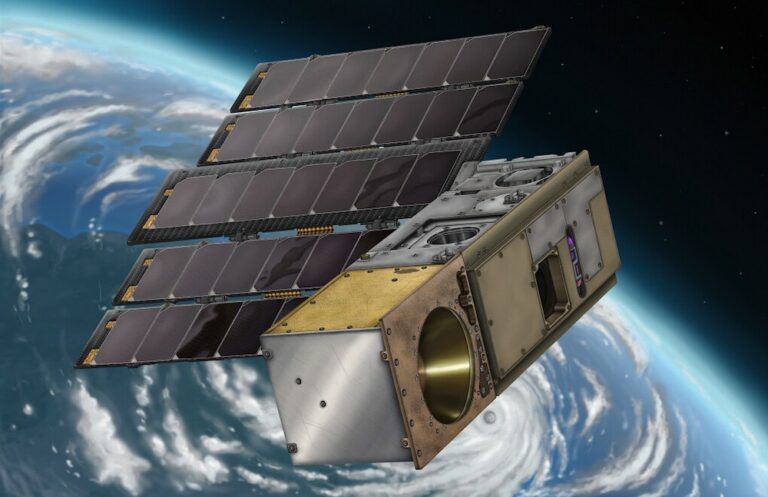
Twin TROPICS satellites set to be lofted into orbit
Rocket Lab's launch of NASA's second pair of TROPICS hurricane research satellites, reassigned from Astra following a launch failure last year, has been rescheduled for Sunday after a delay due to unfavorable weather at the the company's New Zealand spaceport.
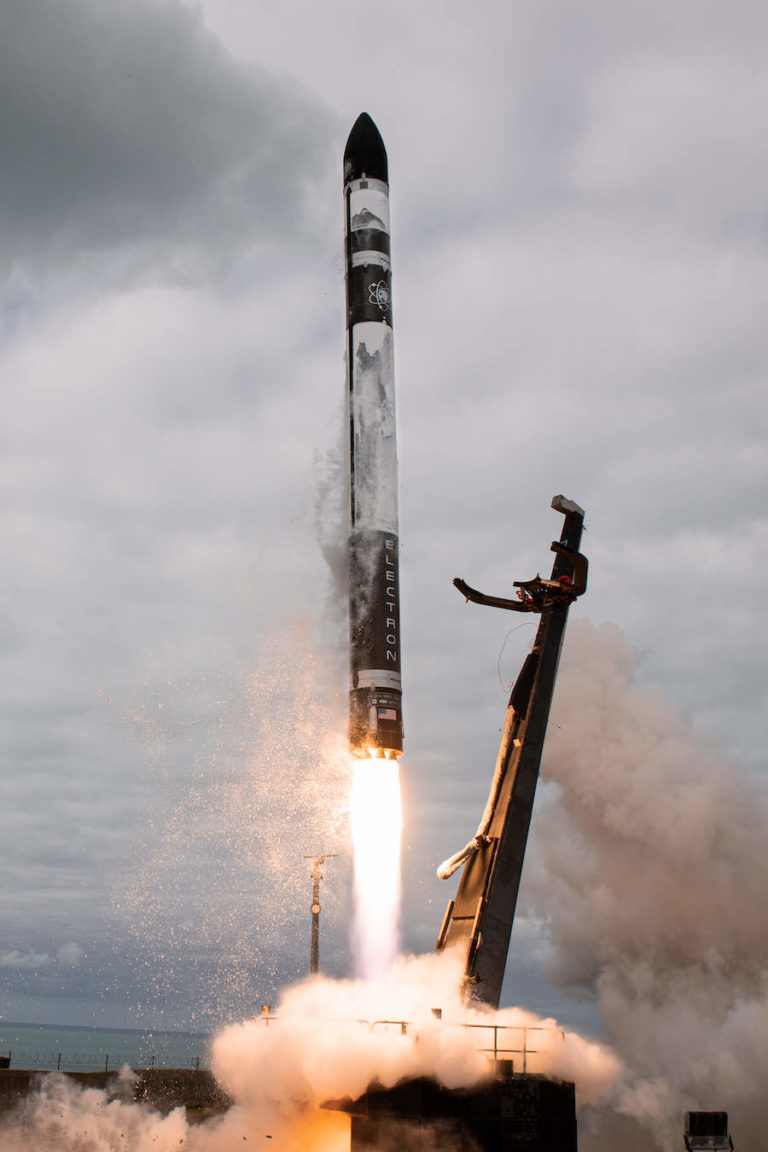
Testbed for NASA moon mission rides to orbit with six other satellites
Rocket Lab launched seven satellites Monday from New Zealand on a rideshare mission serving the U.S. and Australian militaries and space services startups. A spacecraft developed in-house by Rocket Lab was also aboard to prove out technologies for a NASA moon mission launching later this year.
 Video
Live coverage: Rocket Lab launches small satellites from New Zealand
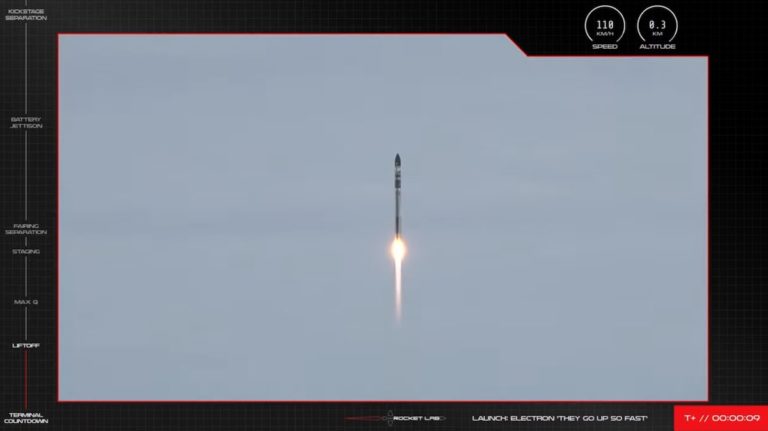
Rocket Lab's second mission of 2021 lifted off at 6:30 p.m. EDT (2230 GMT) Monday from New Zealand carrying six small satellites for customers in Australia and the United States, along with a test platform for a NASA small satellite mission to the moon launching later this year.
NASA selects proposals to demonstrate in-space refueling and propellant depot tech
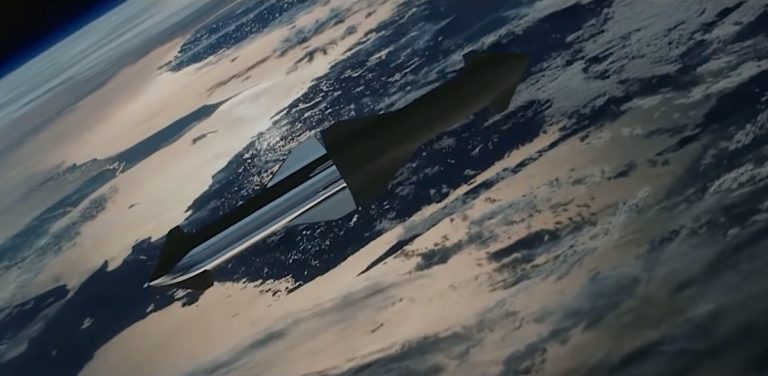
NASA has selected 14 companies for contracts of more than $370 million to advance technology for human missions to the moon and Mars. Most of the money will support flight demonstrations by SpaceX, United Launch Alliance, and other companies that could lead to in-space refueling and propellant depots for reusable lunar landers and deep space transportation vehicles.
Hints of life renew interest in Venus, and a private mission could lead the way
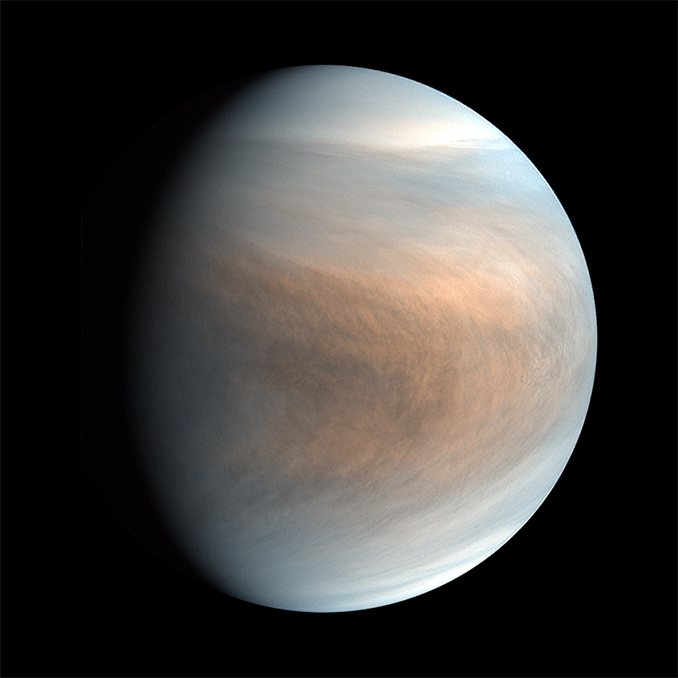
The announcement Monday of the discovery of phosphine gas in the clouds of Venus -- an indicator of possible life -- has raised hopes among scientists for new robotic missions to renew exploration of Earth’s planetary neighbor. If Rocket Lab founder Peter Beck gets his way, a privately-funded mission could get the next crack at probing Venus's soupy atmosphere.
NASA picks Rocket Lab to launch lunar CubeSat mission
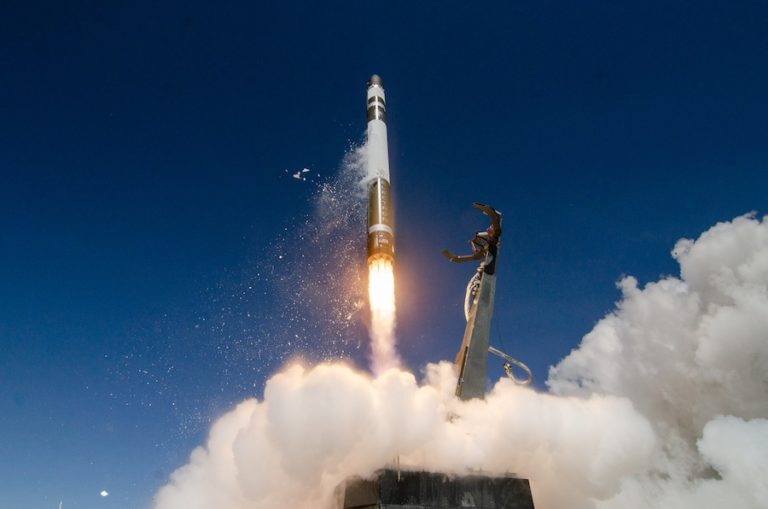
NASA announced Friday that Rocket Lab will launch a 55-pound CubeSat from Wallops Island, Virginia, toward the moon in early 2021 on a demonstration mission to test lunar navigation techniques and scout a unique elliptical orbit for the planned Gateway mini-space station.
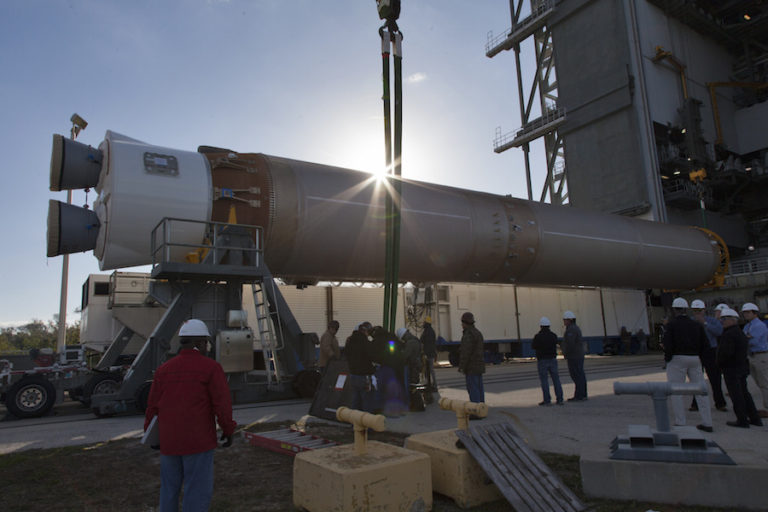
NASA gears up for brisk launch pace, starting with weather satellite
Engineers at NASA's Kennedy Space Center tasked with overseeing launches of scientific satellites and interplanetary probes will be responsible later this year for ensuring six major missions safely get into space over a span of a little more than six months, beginning with the launch of NOAA's new GOES-S weather observatory on an Atlas 5 rocket March 1.