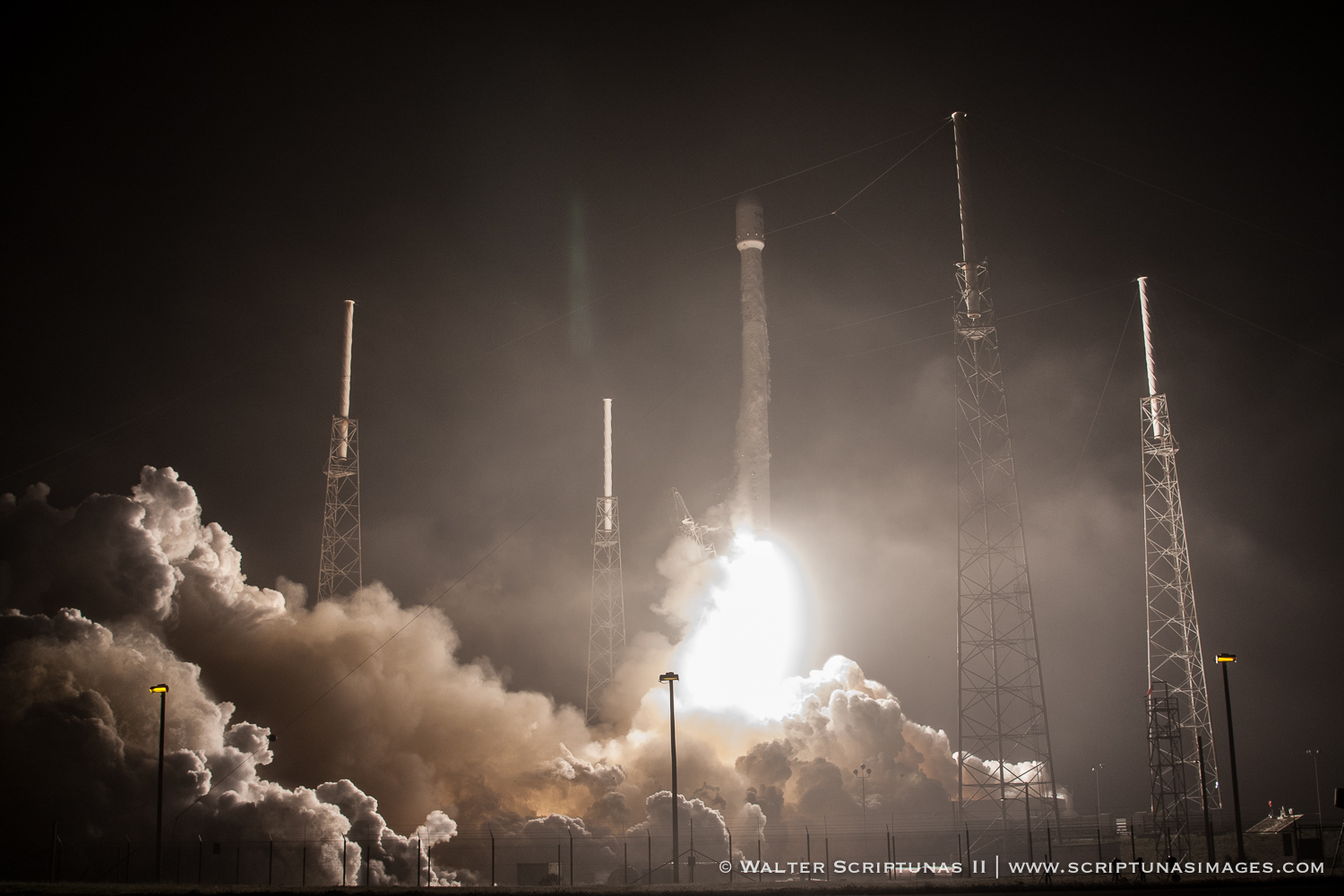
The SpaceX Falcon 9 rocket blasts off Sunday with a dual-satellite payload destined for geosynchronous orbits 22,300 miles above the Earth.
Photo credit: Walter Scriptunas II / Scriptunas Images
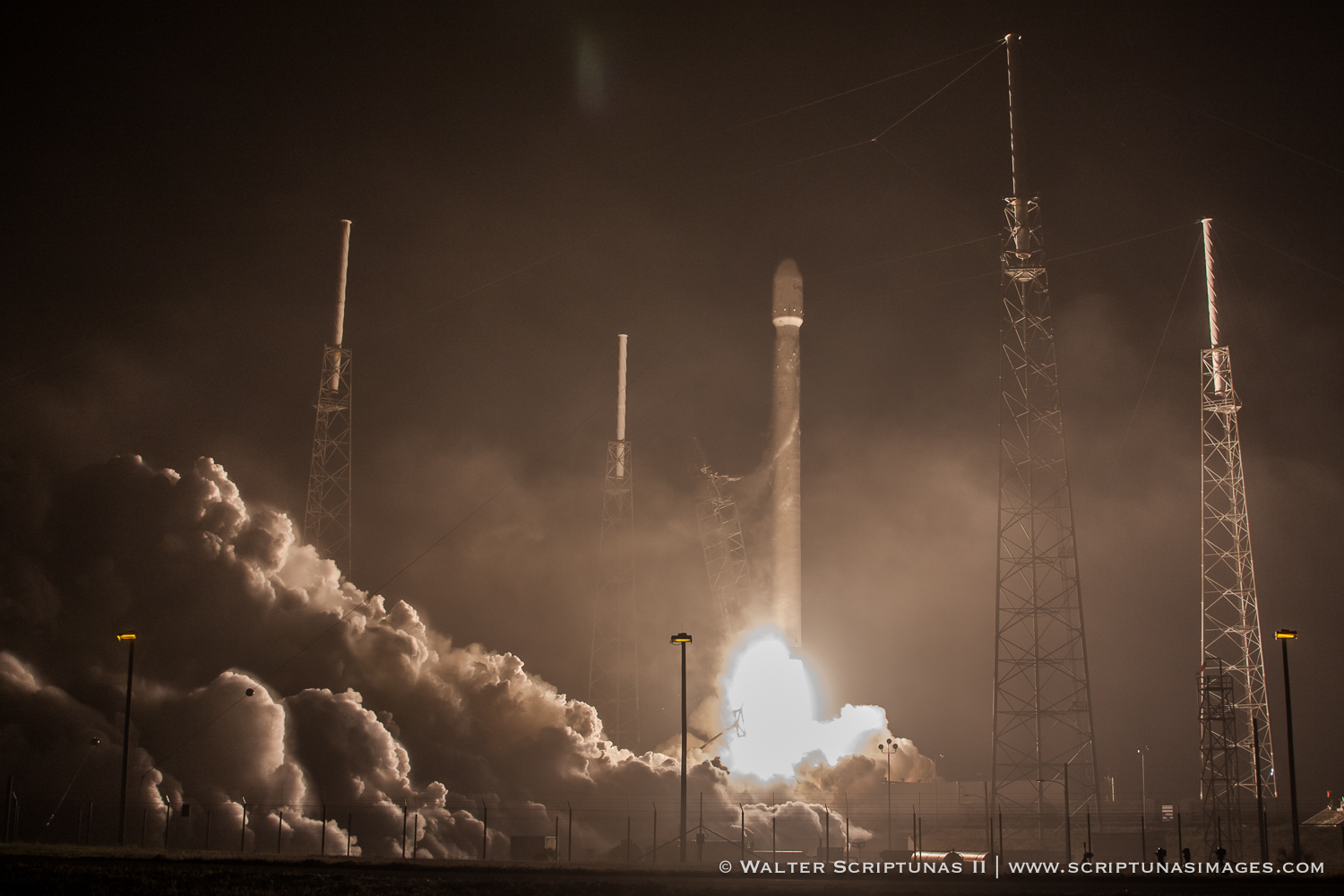
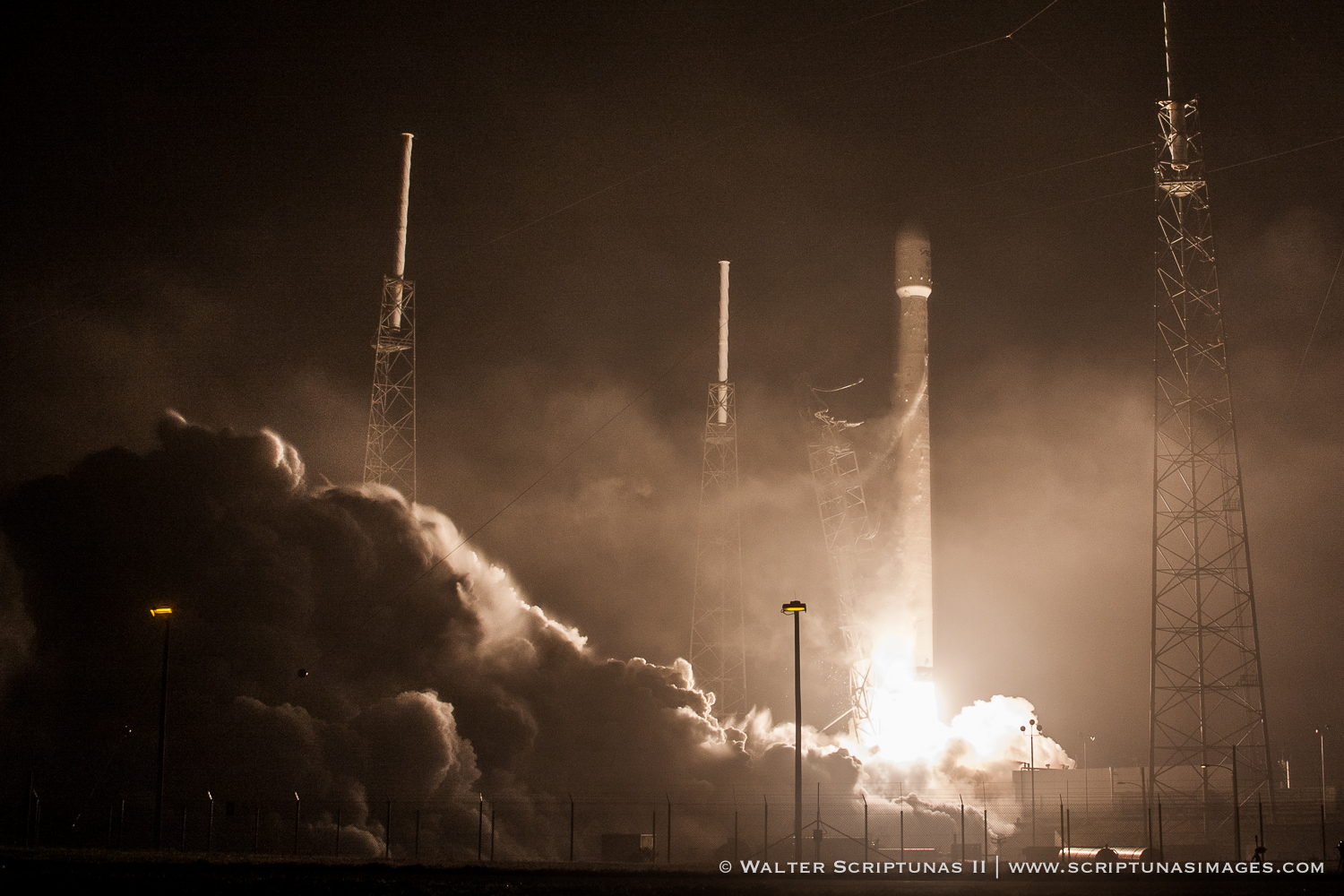
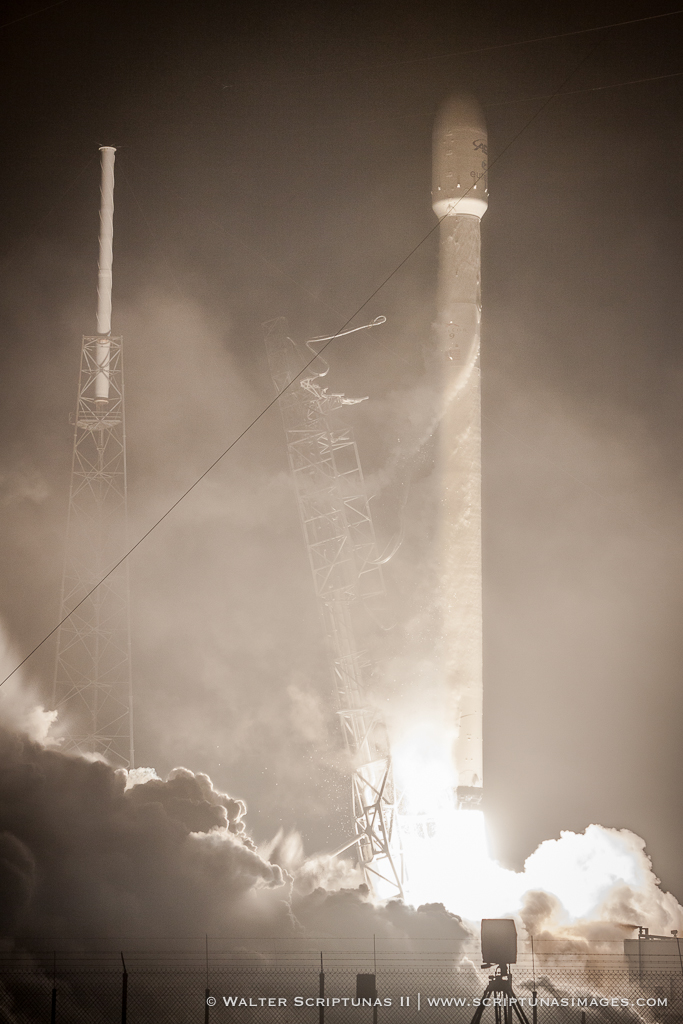

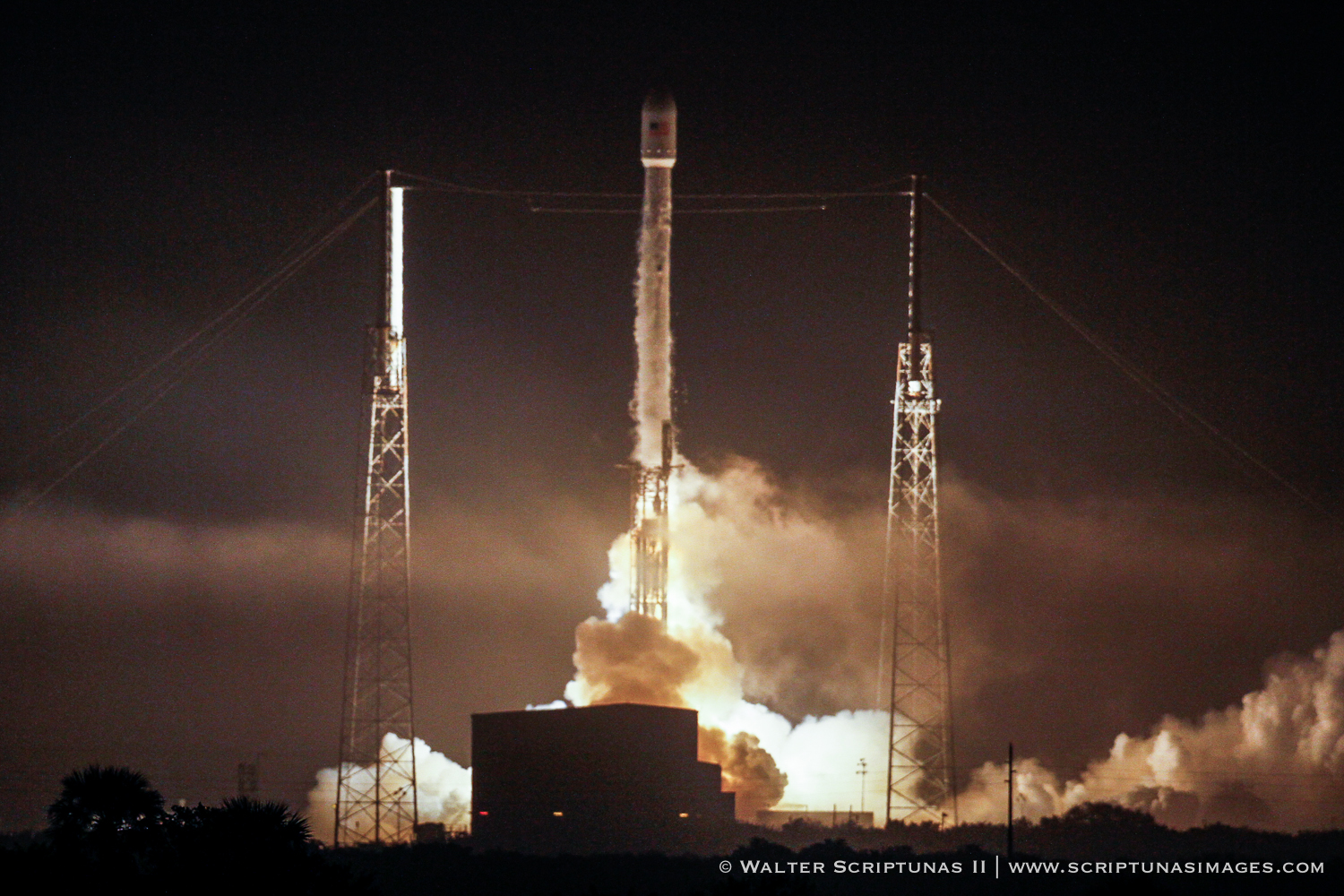
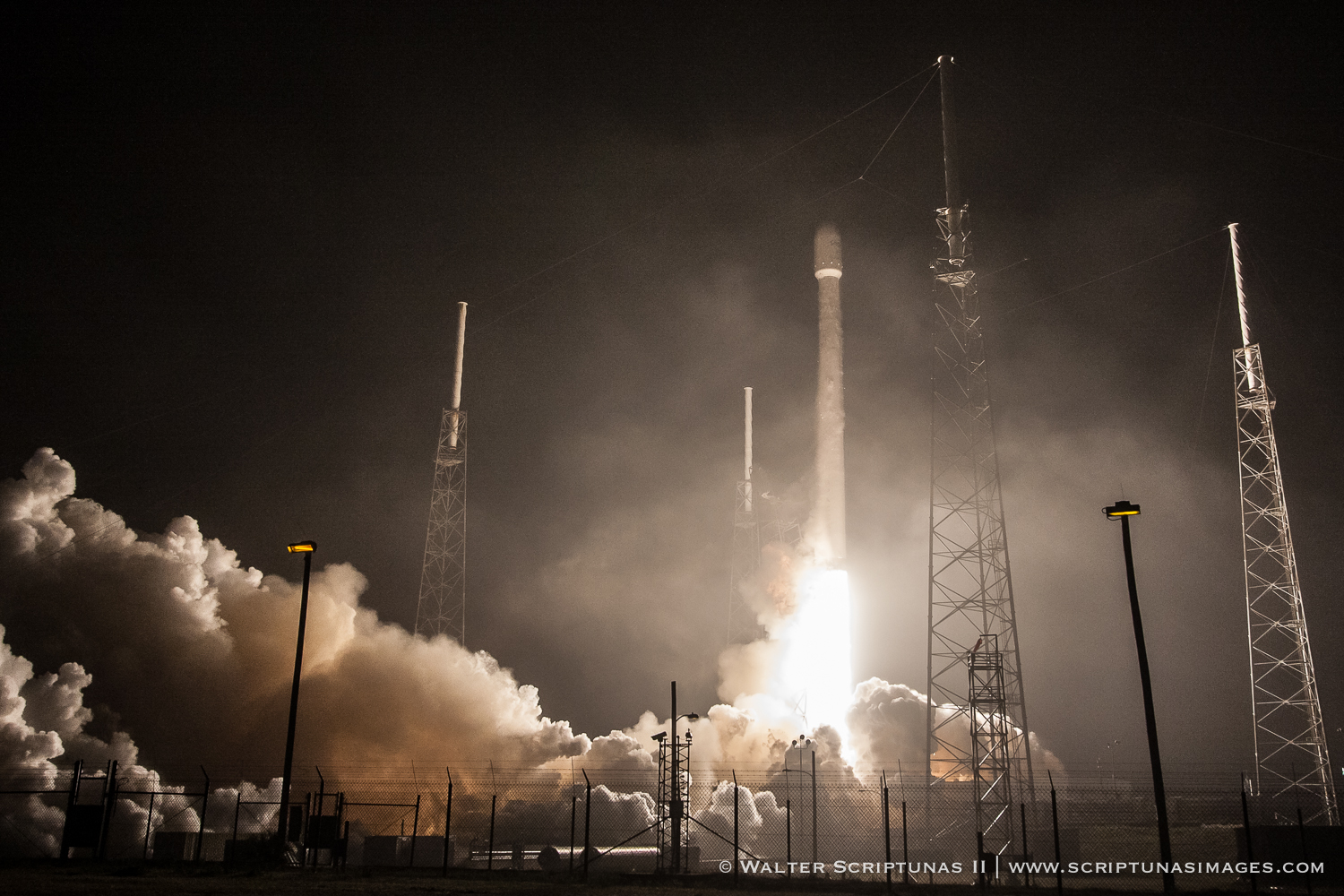
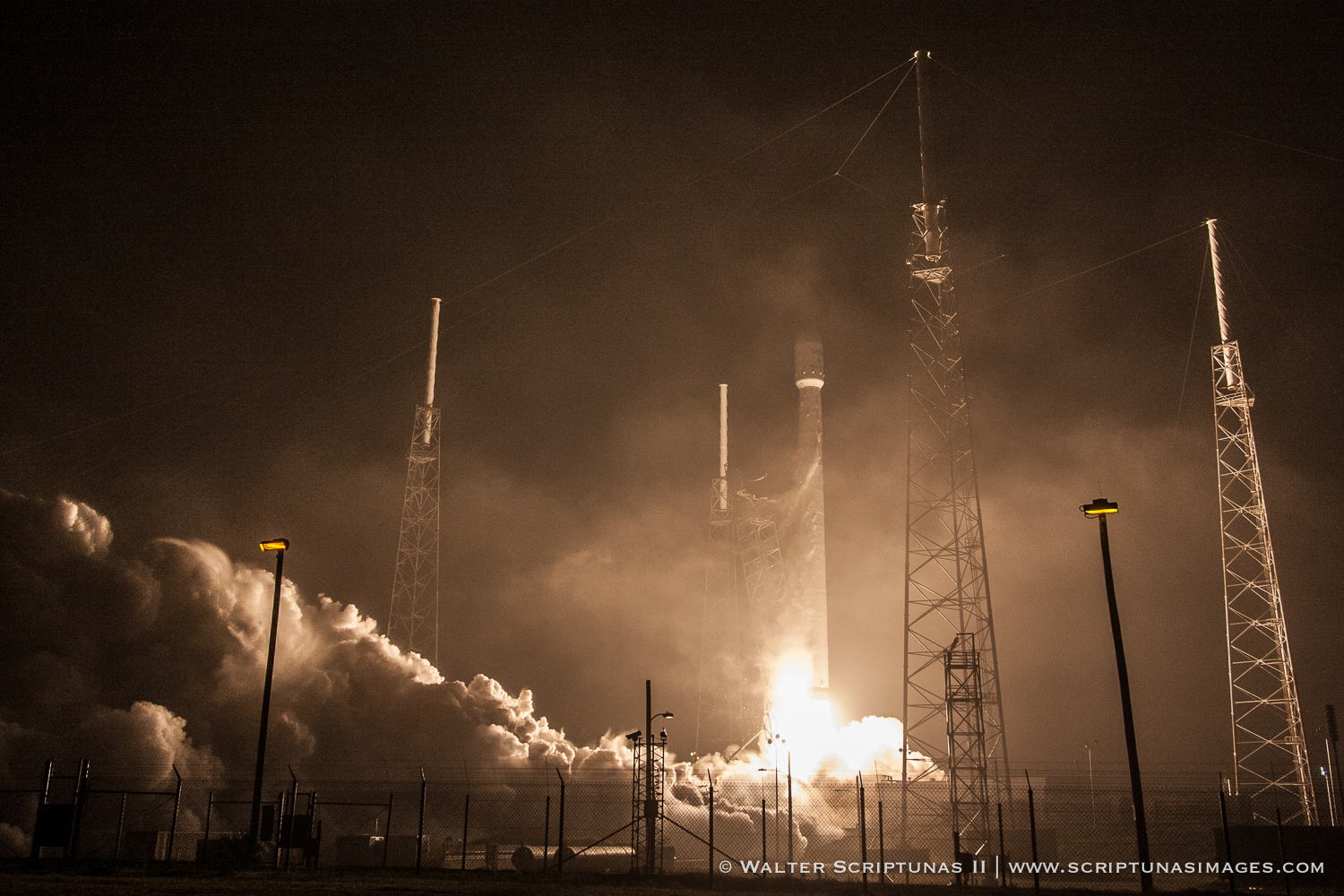
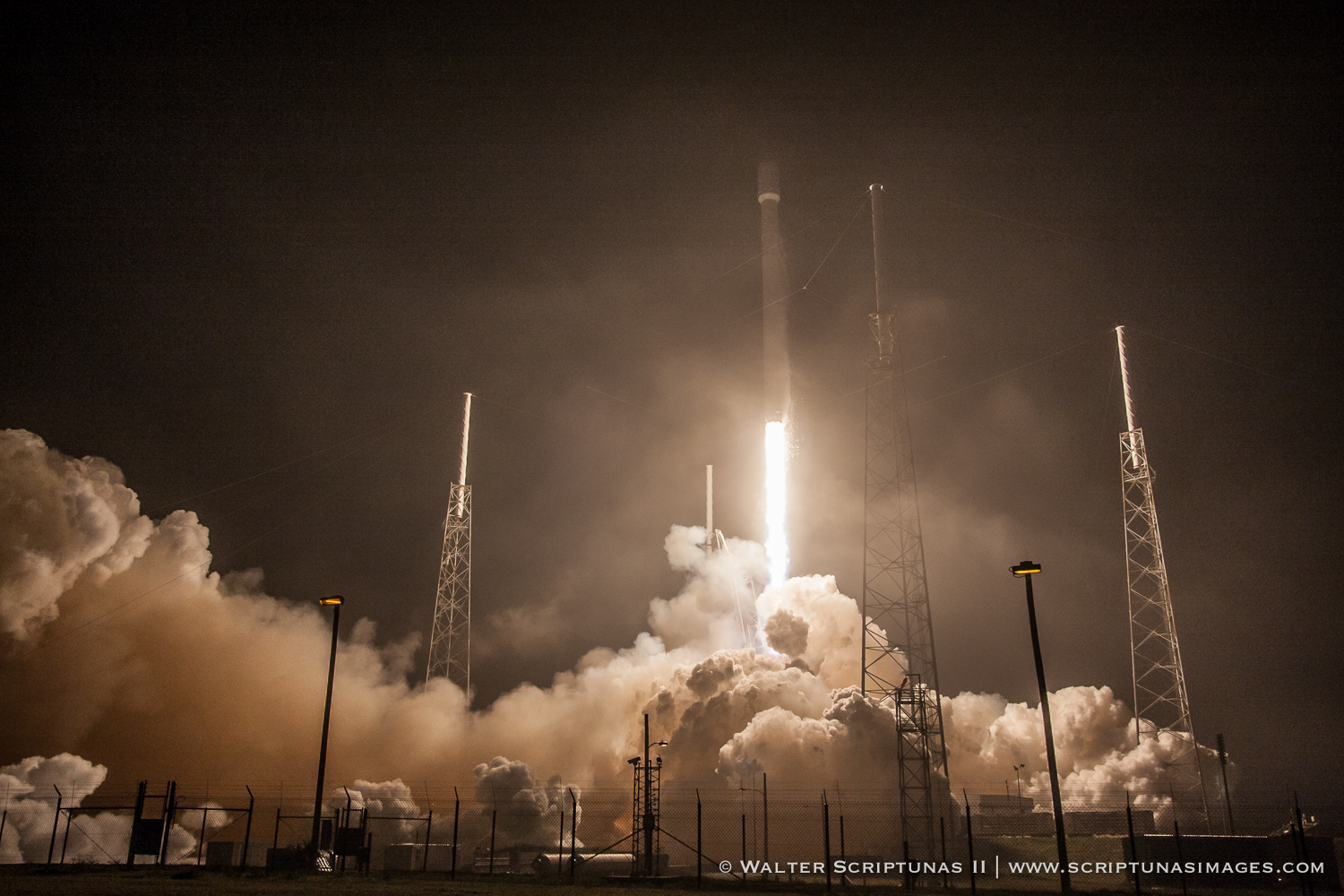

The SpaceX Falcon 9 rocket blasts off Sunday with a dual-satellite payload destined for geosynchronous orbits 22,300 miles above the Earth.
Photo credit: Walter Scriptunas II / Scriptunas Images
The Space Force says it changed the nickname of a GPS navigation satellite launched in June from Columbus to instead honor Matthew Henson, a Black explorer on the first expedition to the North Pole more than a century ago, “to acknowledge a fuller history of courageous explorers and pioneers.” The military’s next GPS navigation satellite, set for launch Friday night, is nicknamed Sacagawea.
© 1999-2026 Spaceflight Now Inc