News Archive
Browse every article published on Spaceflight Now, from launch reports and mission previews to spacecraft development coverage. Use the filters to narrow by topic or search by keyword.
Matching Articles
31 articles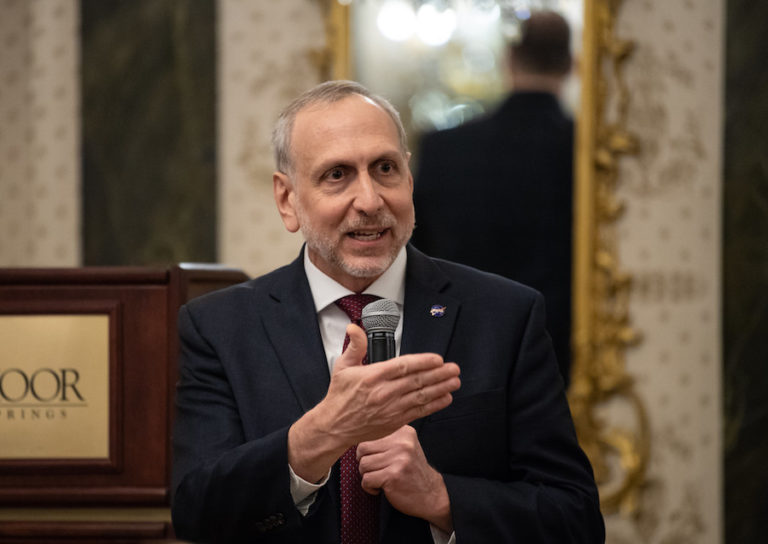 Video
Our interview with Steve Jurczyk, NASA’s acting administrator
Stephen Clark, Spaceflight Now's editor, asked NASA's acting administrator about the space agency's commercial crew and Artemis programs during a one-on-one virtual interview Tuesday, April 20.
 Video
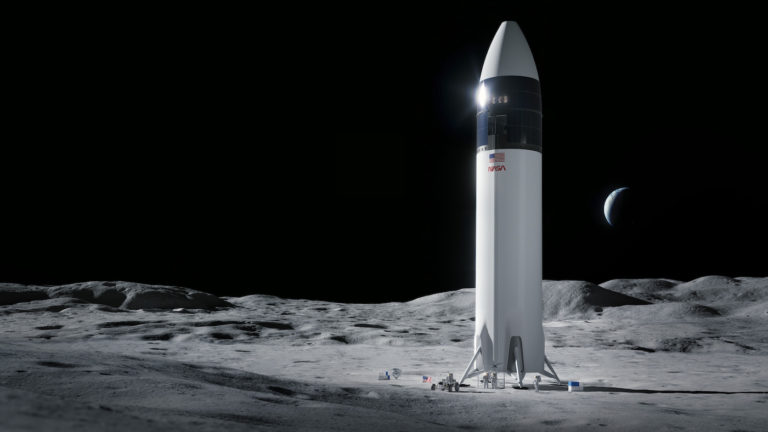
NASA chooses SpaceX to land next astronauts on the Moon
NASA has selected SpaceX to build a spacecraft to land the first astronauts on the moon since 1972, choosing Elon Musk's space company over competing proposals from Jeff Bezos's Blue Origin and the aerospace firm Dynetics, officials announced Friday.
 Video
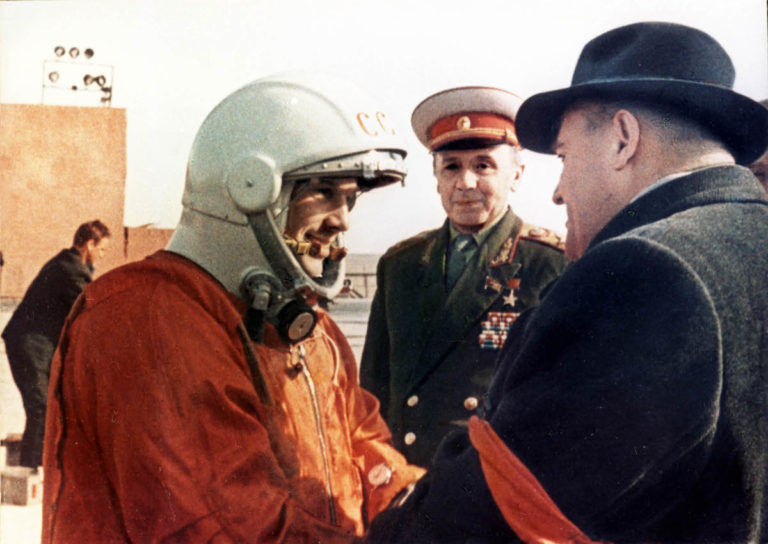
April 12 marks 60 years since Gagarin’s spaceflight, 40 years since shuttle debut
Sixty years ago Monday, a 27-year-old Russian test pilot named Yuri Gagarin strapped into a Vostok capsule in Central Asia and rode into orbit atop a launcher derived from a Soviet nuclear missile, becoming the first human to travel into the void of space. Twenty years later, in 1981, the era of reusable spacecraft dawned with the first launch of NASA’s space shuttle.
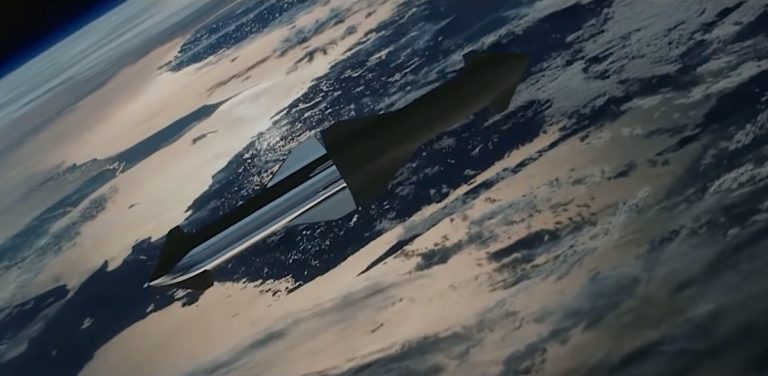
NASA selects proposals to demonstrate in-space refueling and propellant depot tech
NASA has selected 14 companies for contracts of more than $370 million to advance technology for human missions to the moon and Mars. Most of the money will support flight demonstrations by SpaceX, United Launch Alliance, and other companies that could lead to in-space refueling and propellant depots for reusable lunar landers and deep space transportation vehicles.
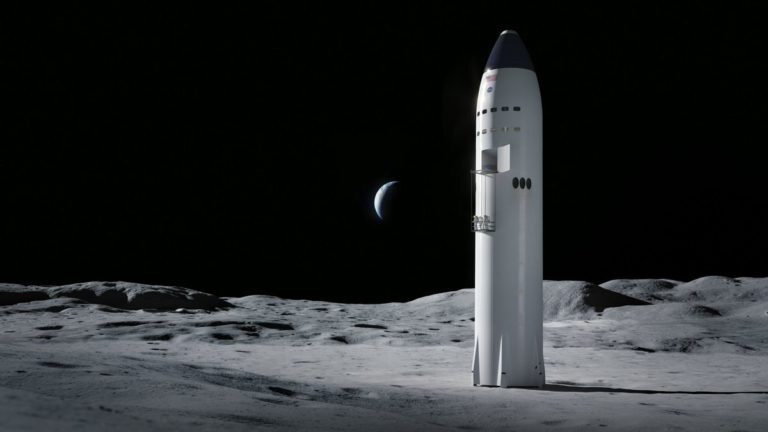
NASA identifies risks in SpaceX’s Starship lunar lander proposal
SpaceX's proposal to land astronauts on the moon using the company's reusable Starship vehicle could be "game-changing" for space exploration, but comes with risks and complexity that "threaten the schedule viability" to achieve NASA's goal of returning crews moon by the end of 2024, agency officials said.
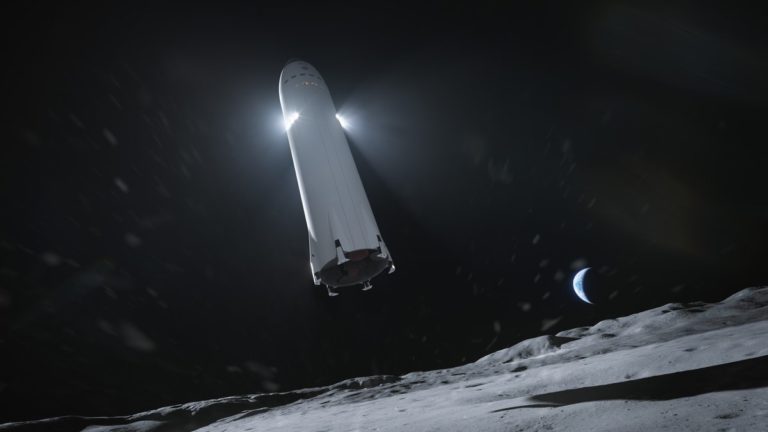
Companies release new details on human-rated lunar lander concepts
The next time astronauts land on the moon, they will ride to the lunar surface in a spacecraft that looks a lot different than the Apollo-era landing module last used in 1972. Lander concepts proposed by SpaceX, Blue Origin and Dynetics -- which won a combined $967 million in NASA funding Thursday -- take wildly different approaches to carrying crews to the moon.

Blue Origin wins lion’s share of NASA funding for human-rated lunar lander
NASA has selected Blue Origin, Dynetics and SpaceX to move forward with development of human-rated lunar landers, committing nearly $1 billion in funding for a range of moonship concepts that include a variant of SpaceX's next-generation Starship vehicle, officials announced Thursday.
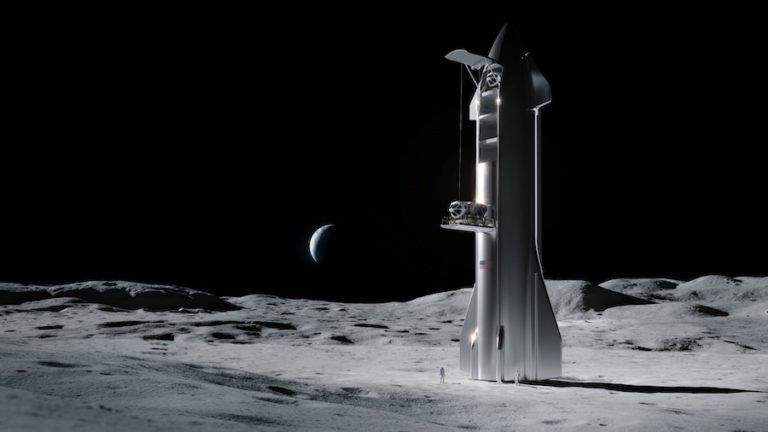
SpaceX offering Starship to NASA for lunar landing missions
SpaceX is eligible to propose using its next-generation Starship vehicle to carry NASA robotic science payloads to the lunar surface, the U.S. space agency announced Monday, on missions that could precede future Starship flights with people on-board. SpaceX is one of five companies NASA selected Monday to join a roster of commercial transportation providers to deliver scientific instruments and technology demonstration packages to the moon as soon as 2022.
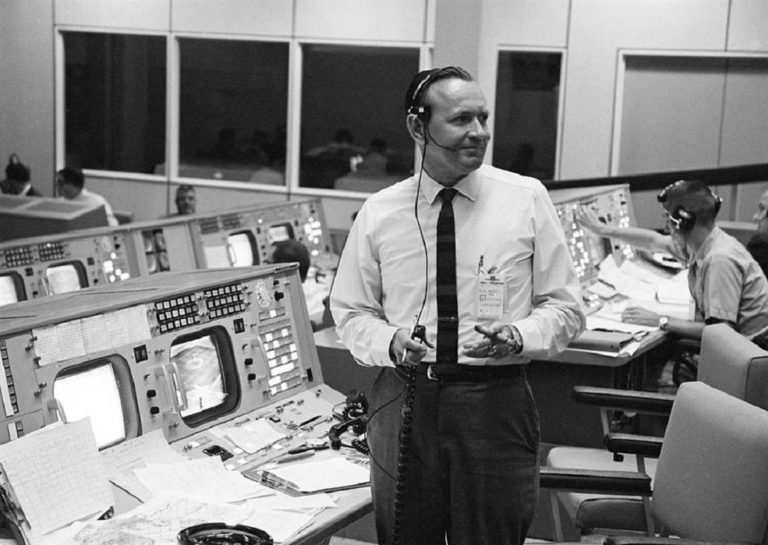
Chris Kraft, legendary flight director, dies at 95
Former Johnson Space Center Director Christopher Columbus Kraft Jr., the man who created the iconic role of NASA flight director during the Mercury and Gemini programs and whose no-nonsense, uncompromising management style defined control room operations and discipline through the Apollo years and beyond, died Monday. He was 95.

Commercial satellite images historic Apollo launch pads
Maxar's eagle-eyed WorldView 3 satellite captured high-resolution views Monday of NASA's twin Apollo-era launch pads at the Kennedy Space Center in Florida, both now home to new launch vehicles 50 years after humans took their first steps on the moon.