News Archive
Browse every article published on Spaceflight Now, from launch reports and mission previews to spacecraft development coverage. Use the filters to narrow by topic or search by keyword.
Matching Articles
134 articles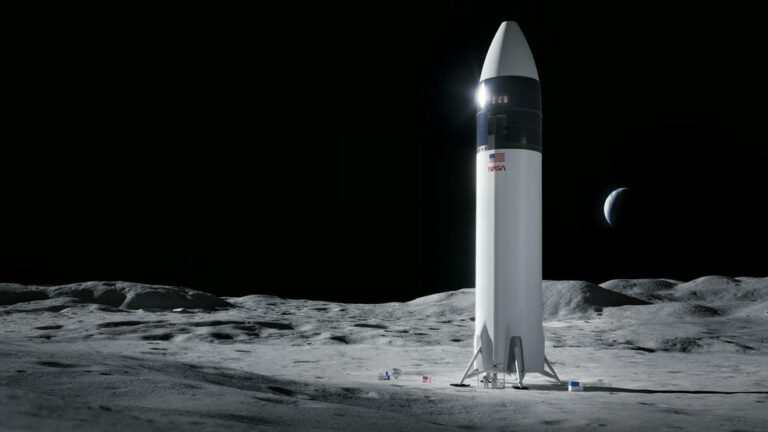
NASA concerned SpaceX’s Starship schedule could delay moon landing
A senior NASA official raised concerns Wednesday that "difficulties" with SpaceX's development of the huge new Starship rocket could delay the Artemis program's first moon landing with astronauts from late 2025, a mission that will use a derivative of the Starship vehicle to ferry a two-person crew to and from the lunar surface.
 Video
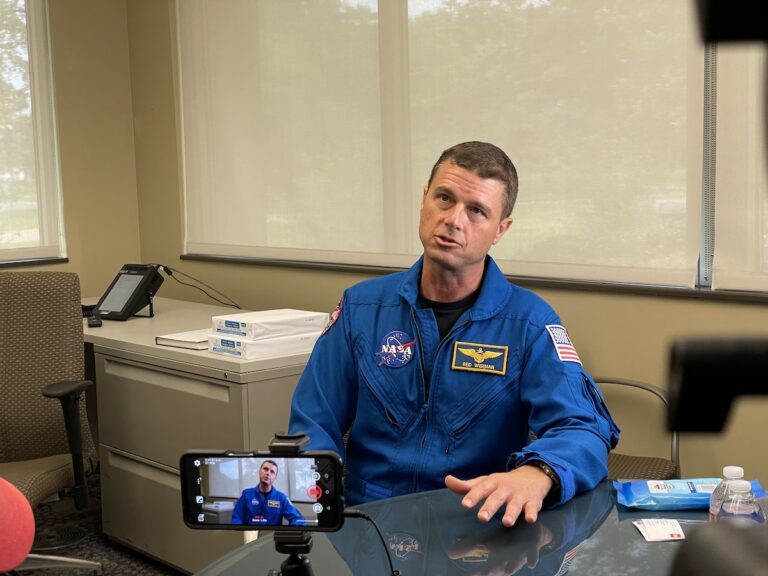
Artemis 2 commander chats with Spaceflight Now
Reid Wiseman, a veteran U.S. Navy test pilot and former chief of NASA's astronaut corps, will lead the four-person crew assigned to the Artemis 2 mission to carry people to the vicinity of the moon for the first time in more than 50 years. Wiseman says he views the crew's job as making sure NASA's Orion spacecraft is ready for more demanding missions later this decade to support moon landings and assembly of a space station called the Gateway in lunar orbit.
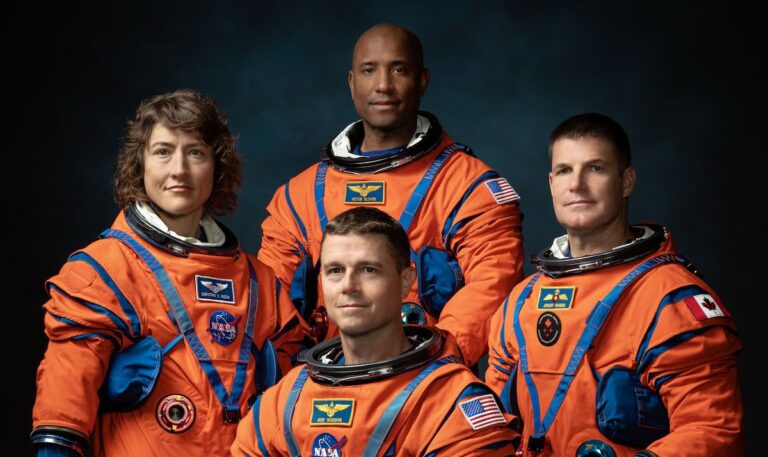
NASA names crew for first human mission to the moon in more than 50 years
NASA announced Monday that former U.S. Navy fighter pilots Reid Wiseman and Victor Glover, veteran space station astronaut Christina Koch, and rookie Canadian astronaut Jeremy Hansen will crew the Artemis 2 mission to fly around the far side of the moon as soon as late next year, a test flight that could carry the foursome farther from Earth than any humans in history.

NASA set to announce crew of Artemis 2 moon mission
NASA will unveil the four crew members Monday who will fly around the moon on the first piloted flight of the agency's Orion deep space capsule on the Artemis 2 mission as soon as late next year.
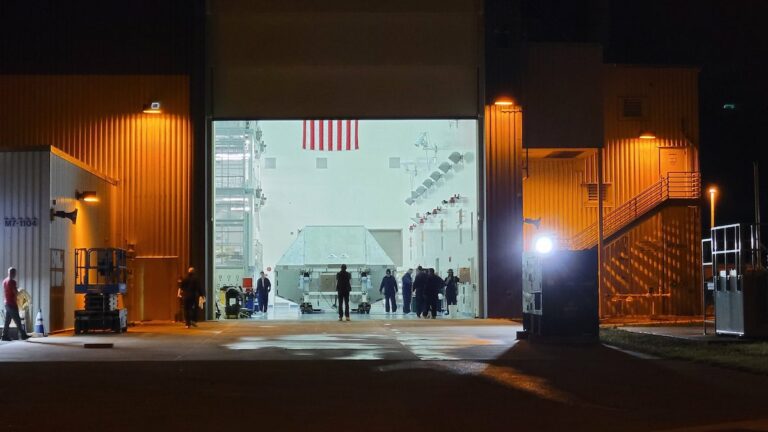
Work begins to harvest Orion spacecraft hardware for Artemis 2 lunar flight
Fresh off the 1.4-million-mile Artemis 1 test flight around around the moon, NASA's Orion spacecraft arrived Dec. 30 back at Kennedy Space Center in Florida, where technicians will offload propellants and payloads, and begin removing internal hardware destined to fly back to the moon with astronauts on the next Orion crew capsule in 2024.
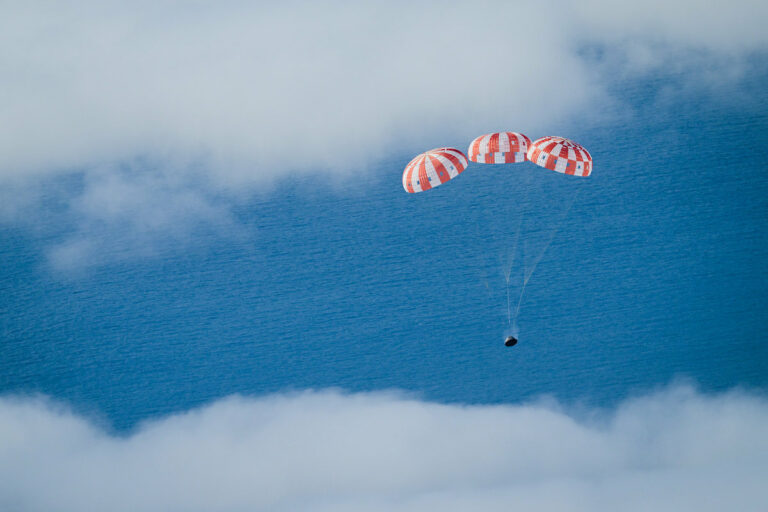
Artemis 1 back on Earth after near-flawless 25-day moon mission
NASA’s Orion spacecraft parachuted to a gentle splashdown in the Pacific Ocean Sunday west of Baja California, ending an unpiloted test flight to the moon that spanned 25-and-a-half days and 1.4 million miles, proving out a new rocket and capsule to carry astronauts back to Earth’s celestial companion.
 Video
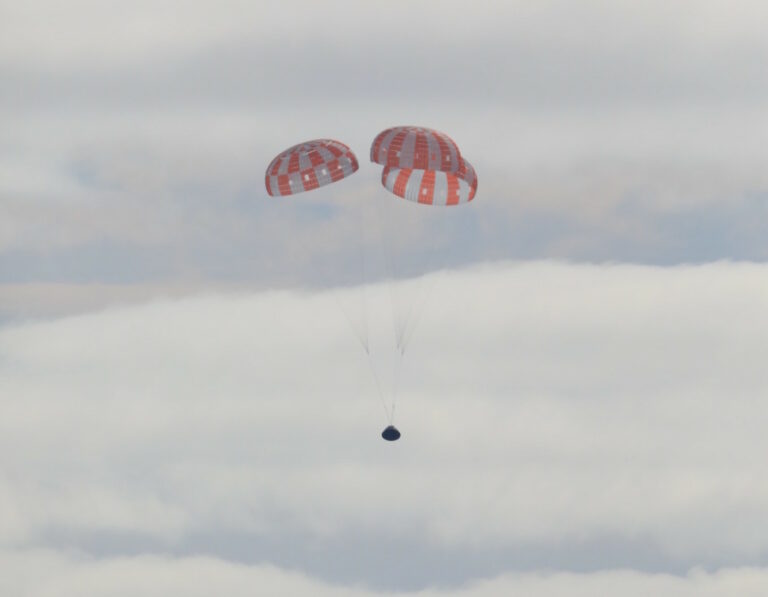
Live coverage: NASA’s Orion spacecraft splashes down after moon mission
NASA's unpiloted Orion spacecraft re-entered Earth's atmosphere at 32 times the speed of sound Sunday, surviving a fiery-hot descent before deploying parachutes and splashing down in the Pacific Ocean west of Baja California at 12:40 p.m. EST (1740 GMT). The Orion capsule successfully completed NASA's Artemis 1 mission, a precursor to future astronaut missions on the spacecraft.
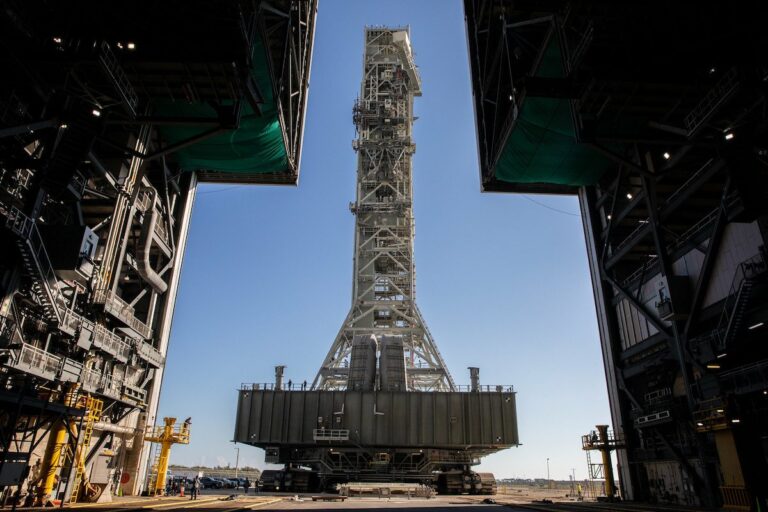
Repairs and upgrades await SLS mobile launcher before crewed lunar mission
The mobile launch platform for NASA's Space Launch System moon rocket rolled back into the Vehicle Assembly Building at Kennedy Space Center Friday for inspections and repairs after liftoff of the Artemis 1 moon mission last month, setting the stage for upgrades to the 380-foot-tall structure before the first crewed Artemis moon flight scheduled for 2024.
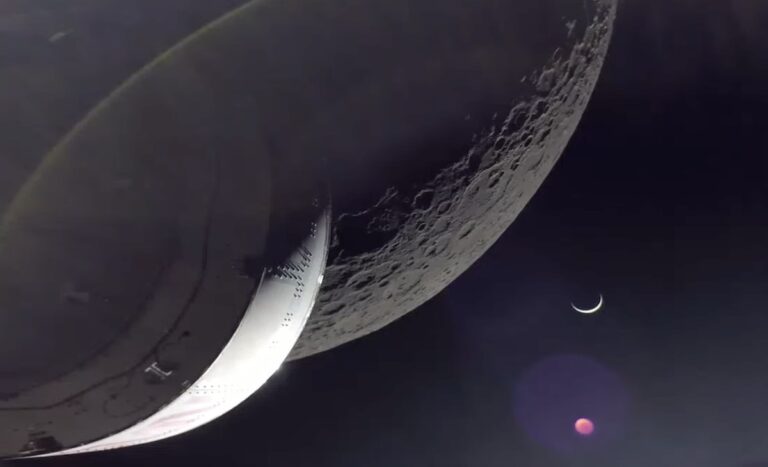
Artemis 1 capsule beams back spectacular farewell views of the moon
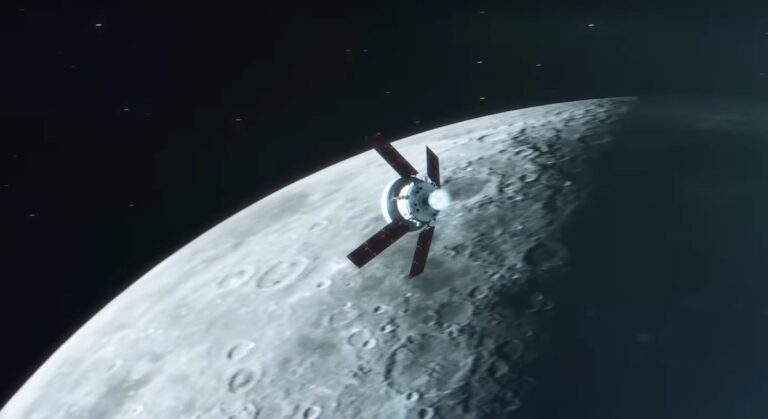
Flying just 80 miles off the lunar surface, NASA's Orion capsule fired its main engine Monday to slingshot around the moon and set a course for splashdown Dec. 11 in the Pacific Ocean to complete the Artemis 1 test flight. The unpiloted spacecraft relayed home ethereal real-time views of the moon's cratered surface and a crescent Earth suspended in the blackness of space a quarter-million miles away.
 Video
Live coverage: Orion spacecraft completes return powered flyby of the moon
NASA's Orion spacecraft successfully fired its main engine for three-and-a-half minutes at 11:43 a.m. EST (1643 GMT) Monday as it flew 80 miles from the surface of the moon, redirecting the capsule's trajectory for the return trip to Earth to wrap up the Artemis 1 test flight.