News Archive
Browse every article published on Spaceflight Now, from launch reports and mission previews to spacecraft development coverage. Use the filters to narrow by topic or search by keyword.
Matching Articles
108 articles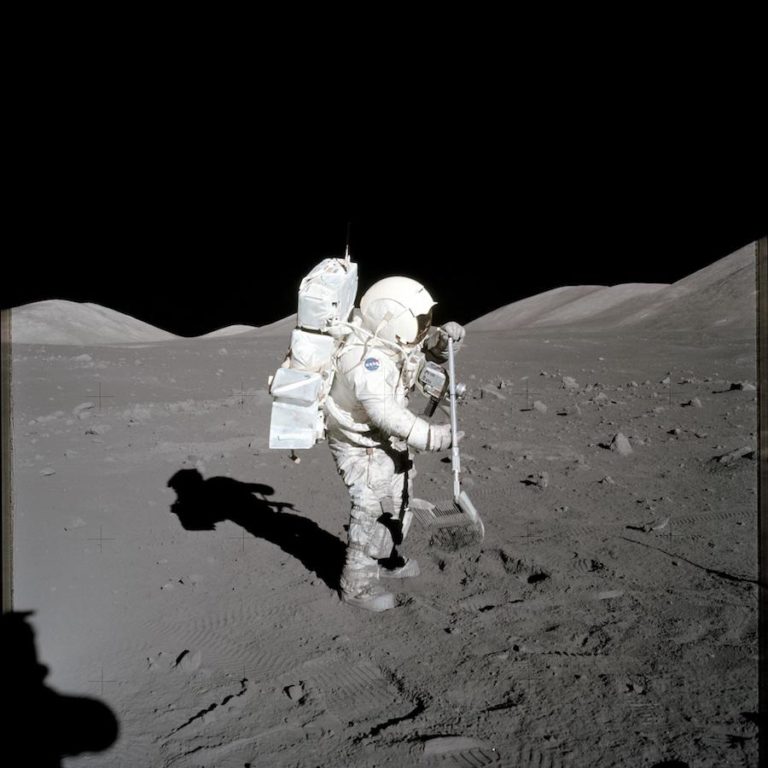
NASA lays out $28 billion plan to return astronauts to the moon in 2024
NASA officials released a nearly five-year, $28 billion plan Monday to return astronauts to the surface of the moon before the end of 2024, but the agency's administrator said the "aggressive" timeline set by the Trump administration last year hinges on Congress approving $3.2 billion in the next few months to kick-start development of new human-rated lunar landers.
ULA, SpaceX win landmark multibillion-dollar launch agreements with Pentagon
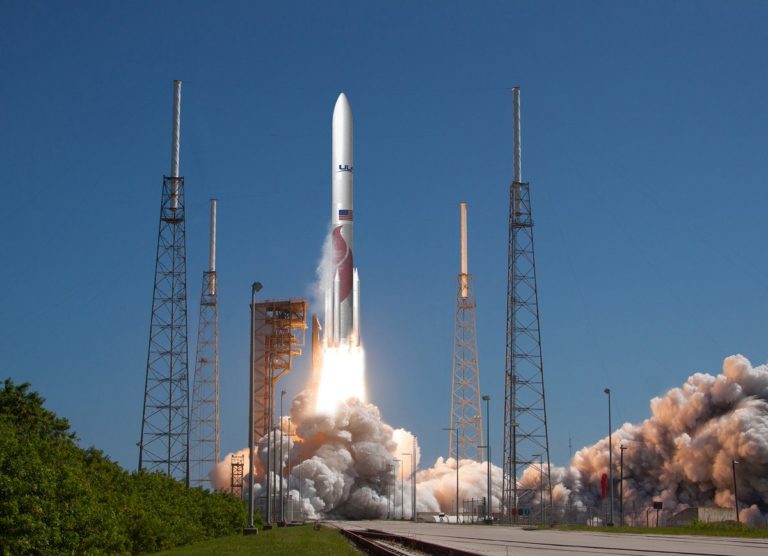
United Launch Alliance and SpaceX beat out Northrop Grumman and Jeff Bezos' Blue Origin for billions of dollars in U.S. military rocket contracts, and will share the load in launching the Pentagon's highest-priority national security space missions through 2027, officials announced Friday.
NASA developing plans to fly astronauts on suborbital rockets
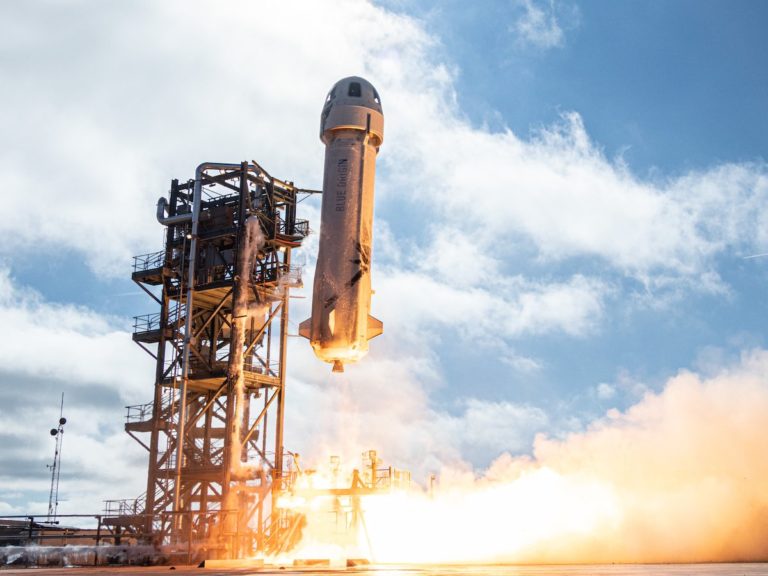
NASA says it is interested in flying astronauts and scientists on commercial suborbital vehicles, like those being tested by Virgin Galactic and Blue Origin, to provide additional training and research opportunities augmenting missions to the orbiting International Space Station.
Companies release new details on human-rated lunar lander concepts
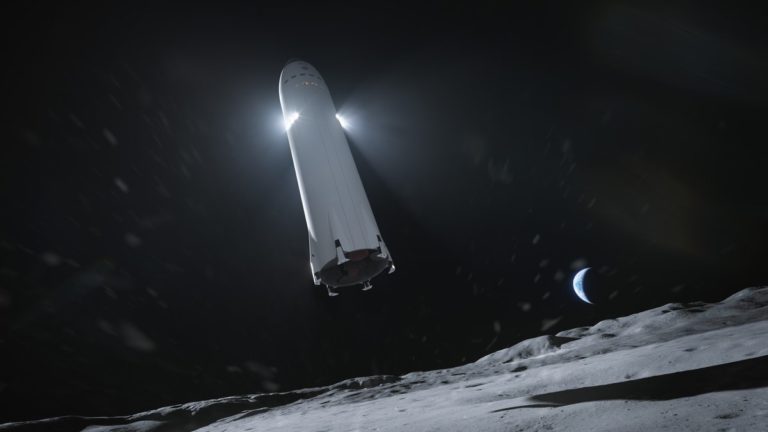
The next time astronauts land on the moon, they will ride to the lunar surface in a spacecraft that looks a lot different than the Apollo-era landing module last used in 1972. Lander concepts proposed by SpaceX, Blue Origin and Dynetics -- which won a combined $967 million in NASA funding Thursday -- take wildly different approaches to carrying crews to the moon.

Blue Origin wins lion’s share of NASA funding for human-rated lunar lander
NASA has selected Blue Origin, Dynetics and SpaceX to move forward with development of human-rated lunar landers, committing nearly $1 billion in funding for a range of moonship concepts that include a variant of SpaceX's next-generation Starship vehicle, officials announced Thursday.
Space companies rally to supply medical equipment amid pandemic
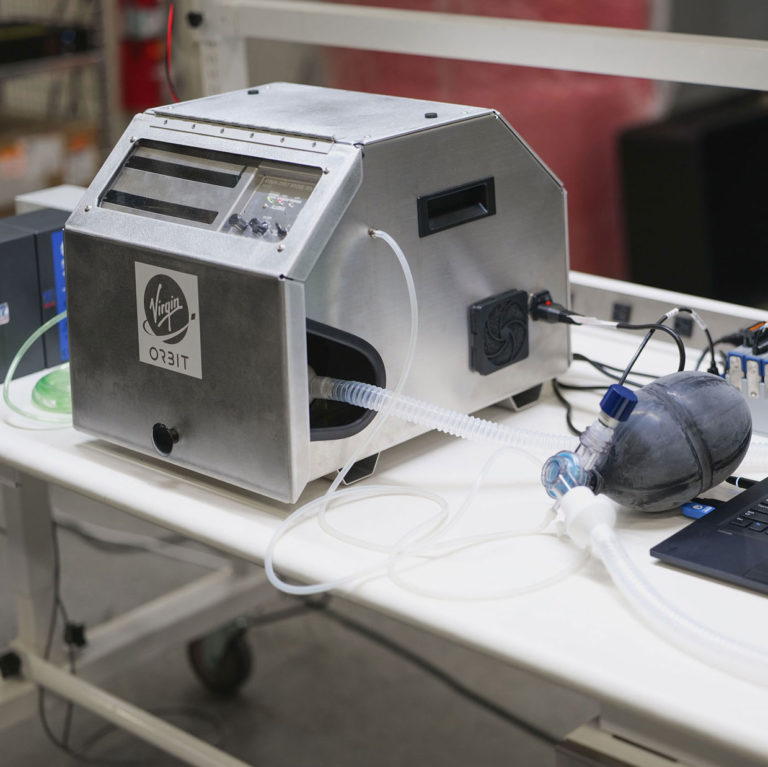
While production of rockets and satellites continues across much of the space industry amid the coronavirus pandemic, engineers at several space companies -- including SpaceX, Virgin Orbit and Blue Origin -- have started working on medical devices and protective equipment in response to shortages in hospitals across the United States.
NASA to consider WFIRST launch options after mission passes key review
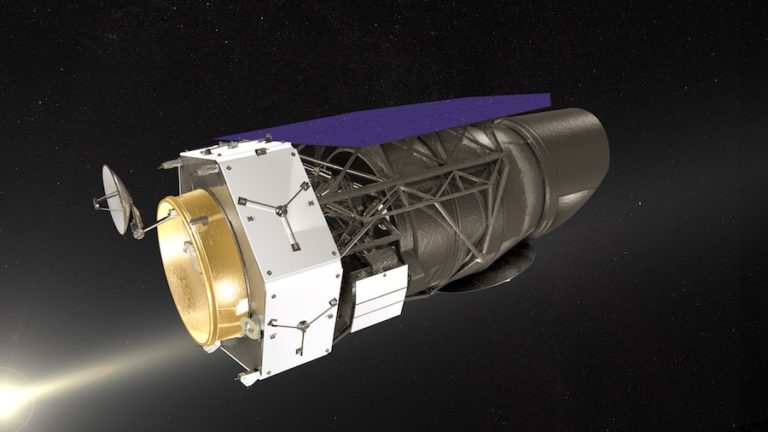
NASA expects to select a launch vehicle next year to carry the Wide Field Infrared Survey Telescope -- a multibillion-dollar flagship astrophysics observatory targeted for cancellation by the Trump administration -- into space in 2025 after the mission passed a key review last month, agency officials said.
Blue Origin launches New Shepard on 12th test flight
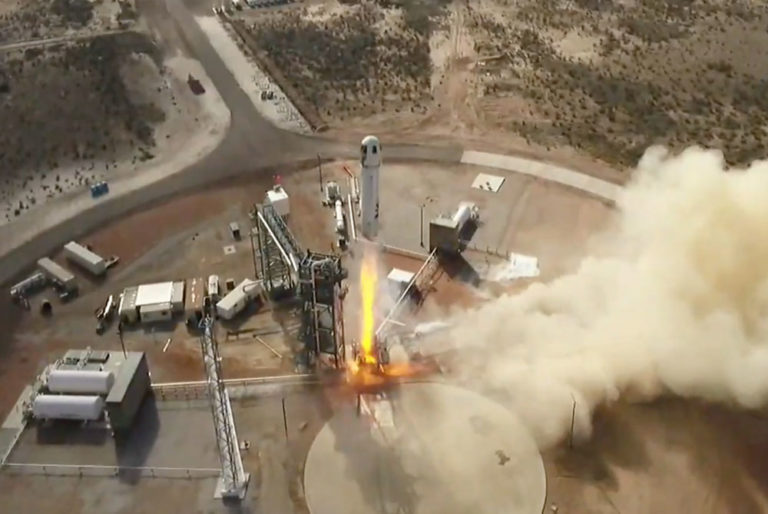
Jeff Bezos' Blue Origin launched a reusable New Shepard rocket Wednesday, boosting an unpiloted capsule on a successful up-and-down flight to space in the 12th test of a spacecraft designed to carry "space tourists" and other commercial astronauts on brief forays above the atmosphere.
Blue Origin preps for suborbital launch
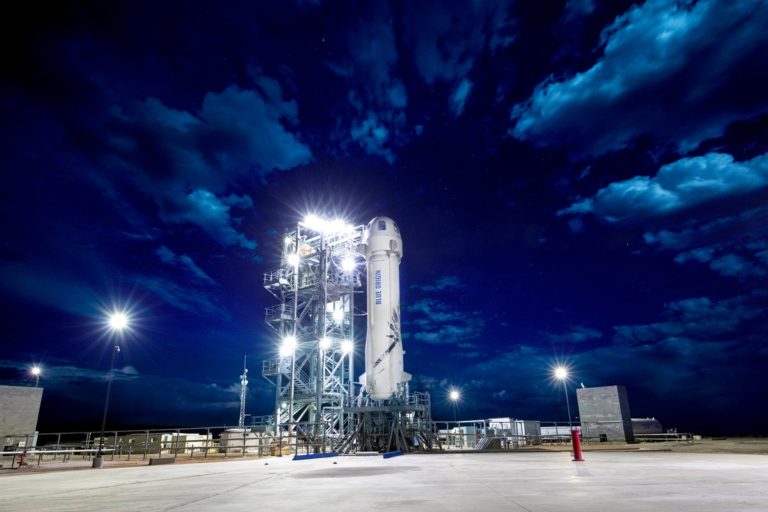
After poor weather scrubbed a launch attempt Tuesday, Blue Origin plans to launch the 12th flight of the company's New Shepard suborbital booster Wednesday from West Texas with a package of research payloads.
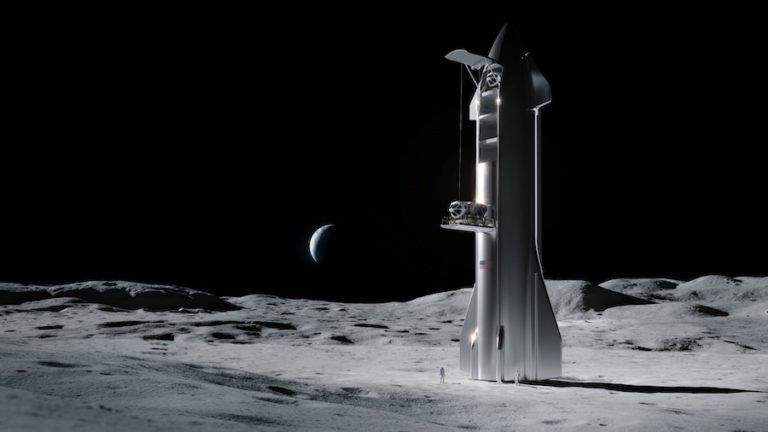
SpaceX offering Starship to NASA for lunar landing missions
SpaceX is eligible to propose using its next-generation Starship vehicle to carry NASA robotic science payloads to the lunar surface, the U.S. space agency announced Monday, on missions that could precede future Starship flights with people on-board. SpaceX is one of five companies NASA selected Monday to join a roster of commercial transportation providers to deliver scientific instruments and technology demonstration packages to the moon as soon as 2022.