News Archive
Browse every article published on Spaceflight Now, from launch reports and mission previews to spacecraft development coverage. Use the filters to narrow by topic or search by keyword.
Matching Articles
51 articles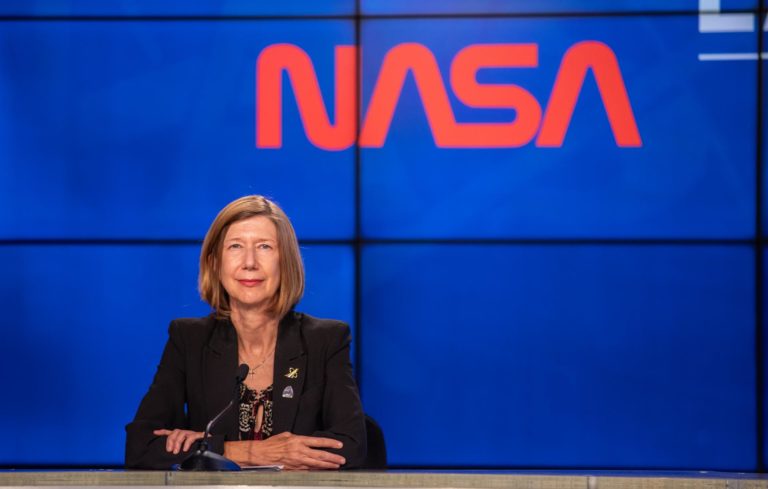
New NASA spaceflight chief makes no guarantees about 2024 moon landing goal
Kathy Lueders, NASA's newly appointed head of human spaceflight operations, said Thursday that without a crystal ball, she could not give a yes-or-no answer when asked whether she believes NASA can put astronauts back on the moon by the end of 2024 as called for by the Trump administration.
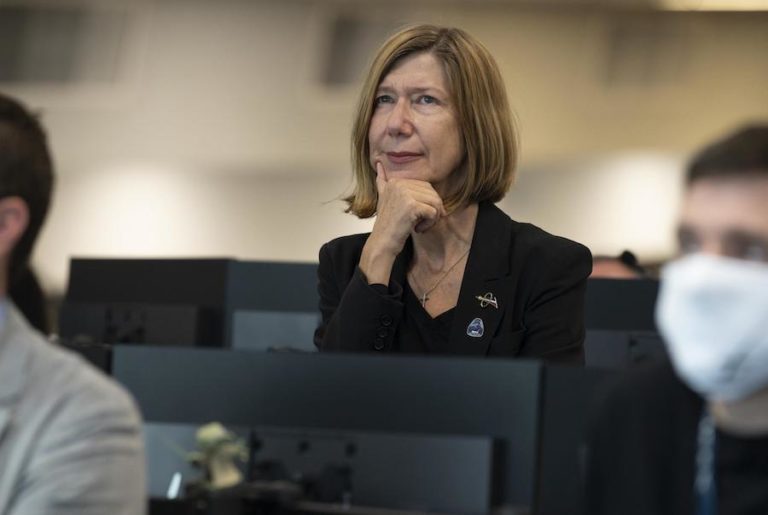
Kathy Lueders named NASA chief of human spaceflight
Two weeks after the successful launch of two astronauts to the International Space Station, the director of NASA's Commercial Crew Program has been promoted to chief of the agency's human spaceflight directorate, a portfolio that includes the Artemis moon program, NASA Administrator Jim Bridenstine announced Friday.
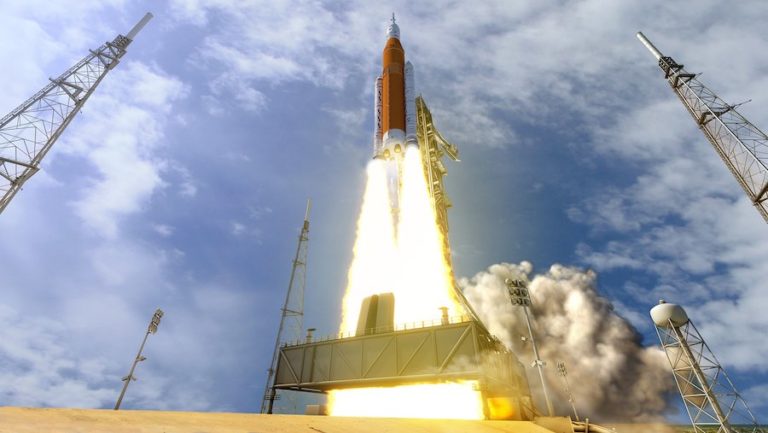
NASA inspector general says SLS moon rocket costs continue to climb
The powerful Space Launch System rocket being built for NASA's Artemis moon program by Boeing, using solid-propellant boosters from Northrop Grumman and main engines from Aerojet Rocketdyne, will have cost more than $18 billion by the time it blasts off on its maiden flight in 2021, NASA's Office of Inspector General reported Tuesday.
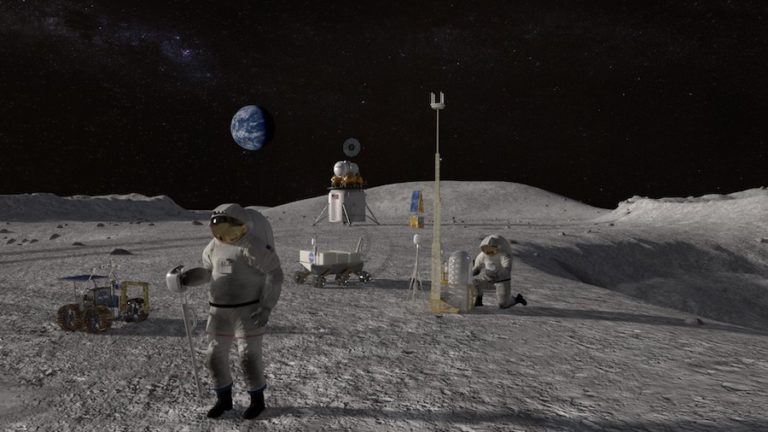
Trump administration requests funding boost for NASA’s Artemis moon program
The Trump administration is requesting $25.2 billion for NASA in fiscal 2021, a 12 percent increase that includes $3.3 billion to kickstart development of a human-rated lander for the Artemis moon program. Nearly half of the budget request, $12.3 billion, is devoted to new and ongoing projects focused on the return to the moon and eventual flights to Mars.
NASA names new chief of human space operations
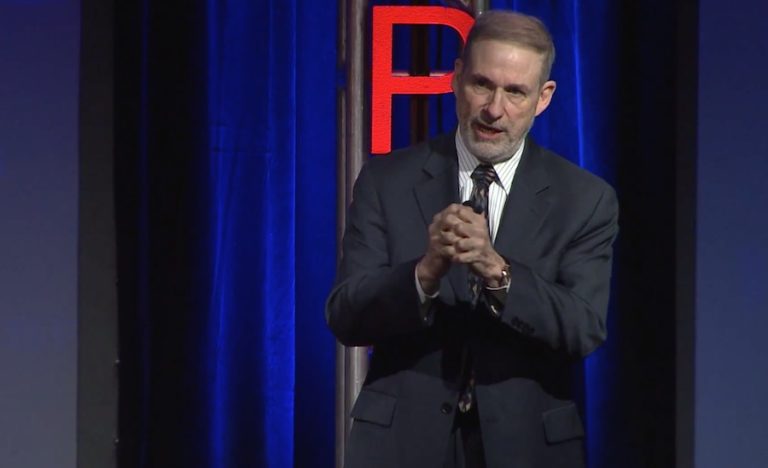
Douglas Loverro, a veteran manager with broad experience in national security space operations, has been selected by NASA to lead the agency's human space flight programs. He takes over at a critical moment as the agency assesses the readiness of new commercial crew ships amid a full-court press to land astronauts on the moon in 2024.
NASA directs Alabama space center to manage lunar lander program
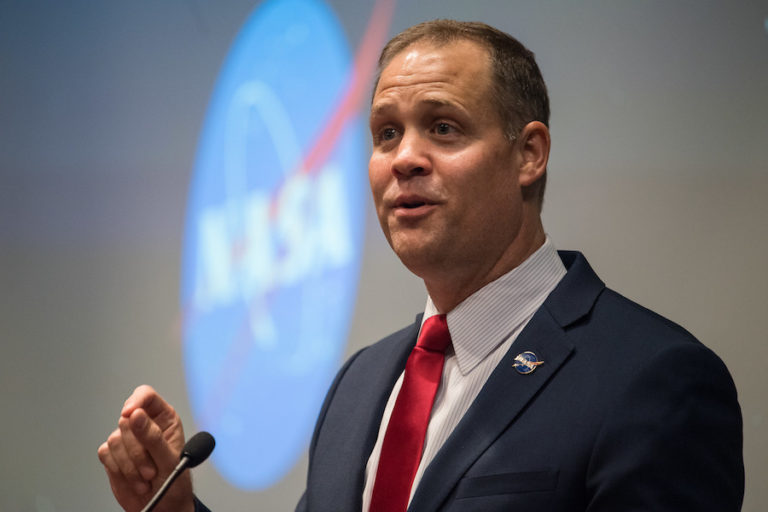
Despite protests from Texas lawmakers, NASA's Marshall Space Flight Center in Huntsville, Ala., will manage the agency's plans to build a lunar landing system that will carry the next man and the first woman to the surface of the moon in 2024, agency Administrator Jim Bridenstine announced Friday.
Pence delivers a promise, and a warning, to NASA and its contractors
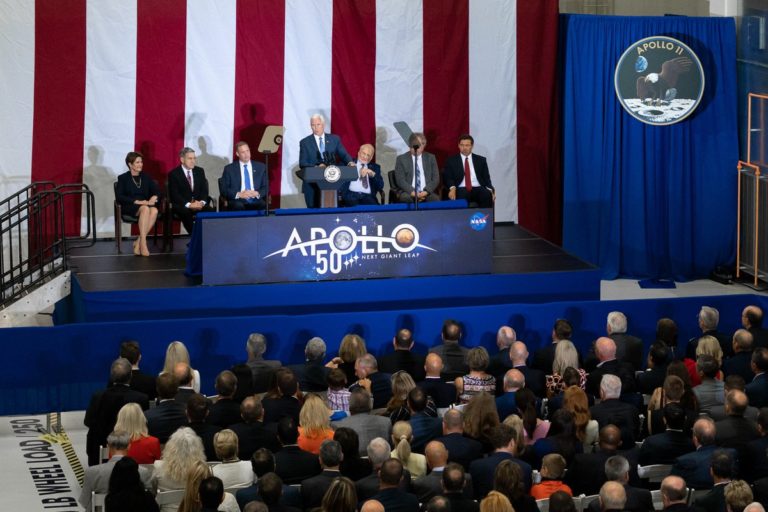
Despite appearances and a presidential tweet suggesting otherwise, the United States is "100%" committed to sending astronauts back to the moon in 2024 and establishing a long-term, sustainable presence there as a stepping stone to eventual piloted flights to Mars, Vice President Mike Pence said in an interview with CBS News.
Soyuz crew docks with space station; Pence reaffirms commitment to moon missions
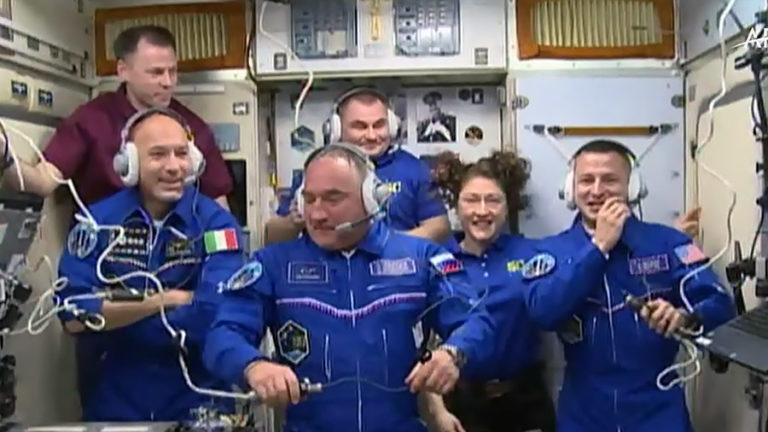
Fifty years to the day after Neil Armstrong stepped onto the surface of the moon, a NASA astronaut, an Italian flight engineer and a Russian commander blasted off from Kazakhstan Saturday aboard a Soyuz spacecraft, chased down the International Space Station and glided in for a picture-perfect docking.
NASA boss pleads for funding to ensure 2024 moon landing
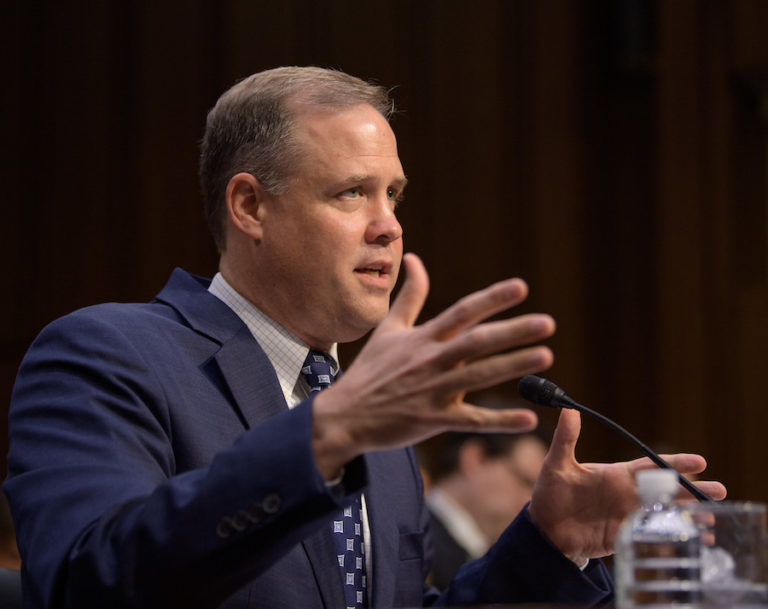
NASA Administrator Jim Bridenstine told a Senate panel Wednesday that a budget impasse and subsequent spending freeze later this year would be "devastating" to the agency's goal of sending the first woman and next man to the moon by the end of 2024.
NASA shakes up moon program management
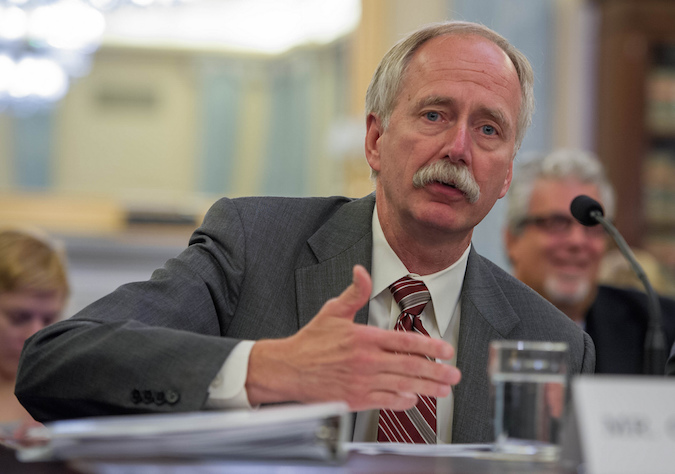
In a major shakeup at NASA Headquarters, agency Administrator Jim Bridenstine said Wednesday that Bill Gerstenmaier, the widely respected director of human spaceflight, has been replaced in the midst of an ambitious push to meet the Trump administration's directive to send astronauts back to the moon within five years.