News Archive
Browse every article published on Spaceflight Now, from launch reports and mission previews to spacecraft development coverage. Use the filters to narrow by topic or search by keyword.
Matching Articles
691 articles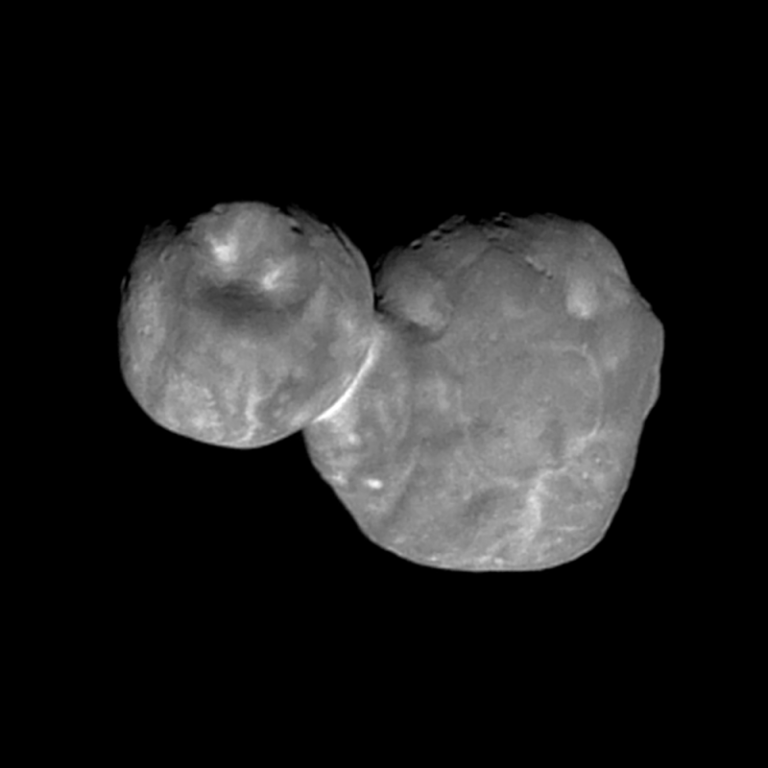
Ultima Thule revealed in new detail with fresh flyby image
A new image captured minutes before NASA’s New Horizons probe zipped by a rocky object in the Kuiper Belt on New Year’s Day shows the dual-lobed world — nicknamed Ultima Thule — is covered with intriguing fractures and a large crater-like depression that could provide clues about the early history of the solar system.
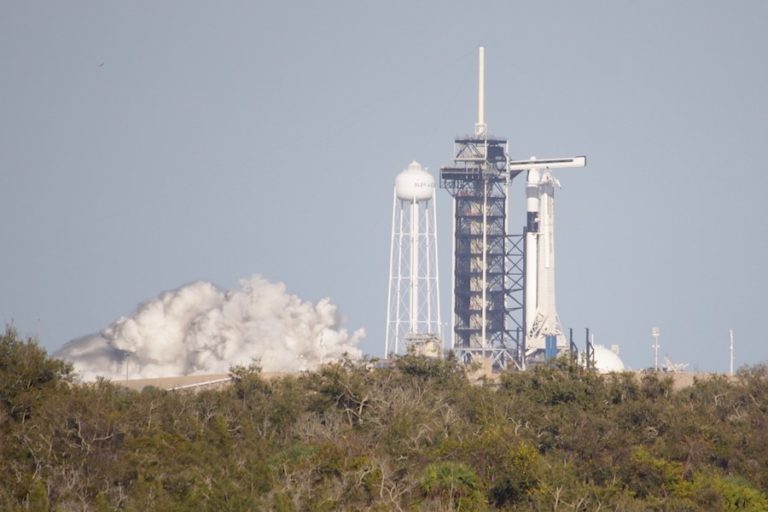
Falcon 9 rocket fires engines in key test ahead of Crew Dragon demo flight
A SpaceX Falcon 9 rocket sporting human-rating upgrades such as new composite pressurant tanks briefly ignited its nine Merlin engines Thursday afternoon on a launch pad at NASA's Kennedy Space Center in Florida, and SpaceX later declared the pre-launch milestone complete in preparation for a critical test flight with a commercial crew capsule as soon as late February.
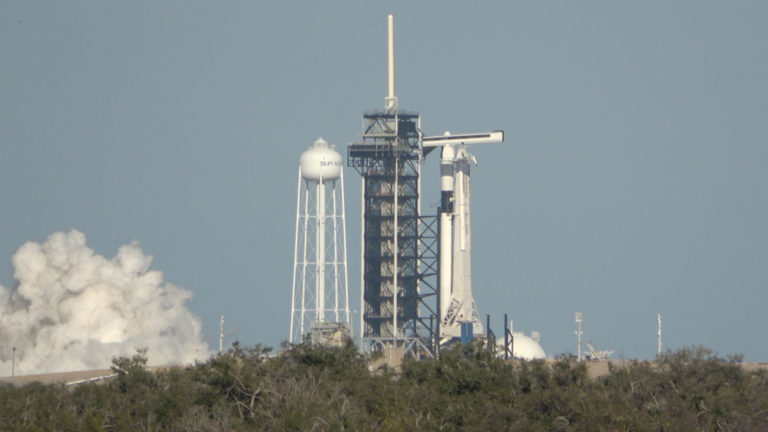
Live coverage: Falcon 9 with Crew Dragon briefly fires engines in test
The Falcon 9 rocket set to launch the SpaceX's Crew Dragon capsule on a test flight in February briefly ignited its Merlin main engines on pad 39A at NASA's Kennedy Space Center in Florida on Thursday. The Crew Dragon test flight to the International Space Station is a precursor to the spaceship's first mission with astronauts later this year.
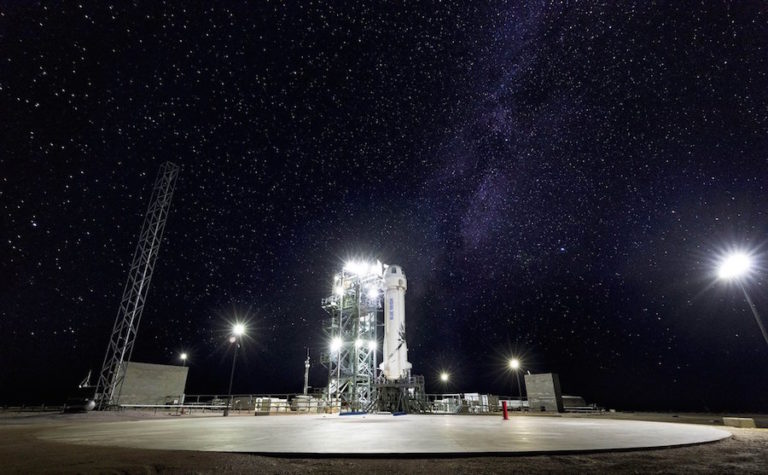
Blue Origin plans New Shepard launch Wednesday
Blue Origin plans to launch its single stage New Shepard suborbital booster Wednesday as the commercial space company moves closer to flying people to the edge of space.
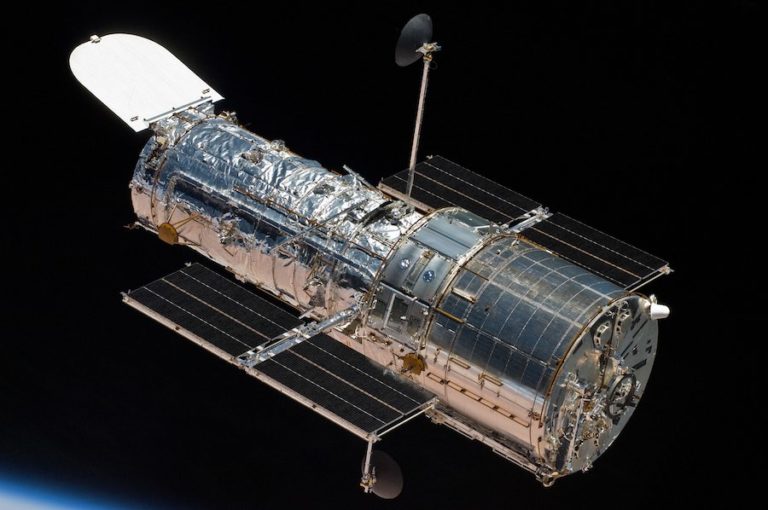
Controllers troubleshoot problem with Hubble camera
The partial shutdown of the U.S. government could complicate efforts to troubleshoot a suspected hardware problem with the Hubble Space Telescope's premier science instrument, but officials are optimistic the camera will eventually be restored to operations, the head of the observatory's science operations team said Wednesday.
 Video
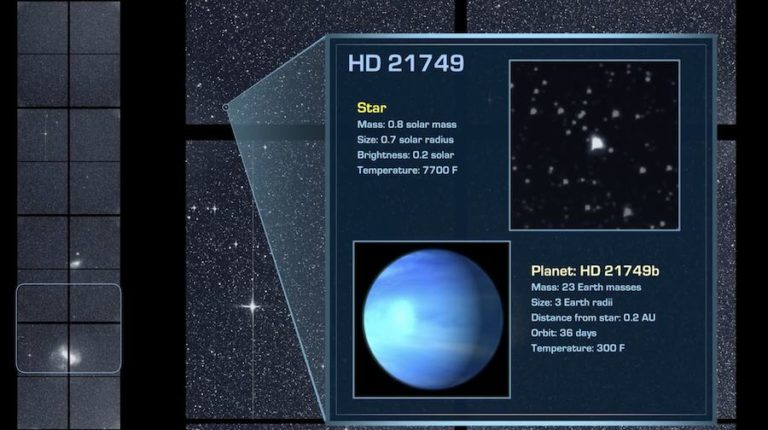
Astronomers announce first exoplanets discovered by NASA’s TESS mission
Six months into its mission scanning the sky for planets around other stars, NASA's orbiting TESS observatory has found three previously-undiscovered worlds and hundreds more exoplanet candidates, the first batch of a potential haul of up to 10,000 exoplanet detections over TESS's planned two-year mission, astronomers announced this week.
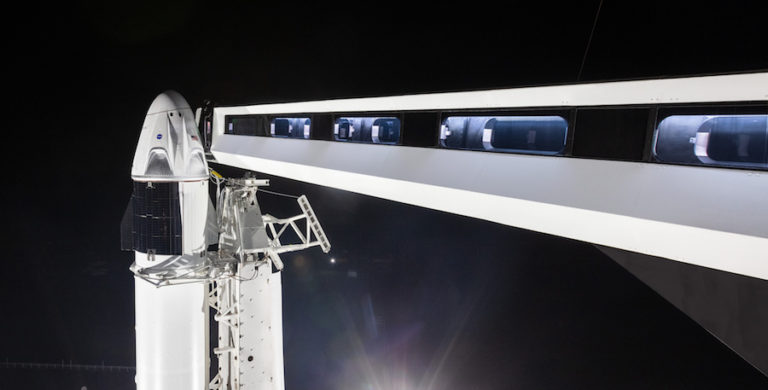
SpaceX about one month away from first commercial crew test flight
SpaceX founder Elon Musk said this weekend that the company is about one month away from launching the first Crew Dragon spacecraft on an unpiloted test flight to the International Space Station, a precursor to a demonstration launch with astronauts later this year. He also warned that early test flights of the commercial crew capsule, built under contract to NASA, will be "especially dangerous."

SpaceX crew capsule, Falcon 9 rocket roll out to pad 39A in Florida for tests
SpaceX rolled out the company's first space-worthy Crew Dragon spacecraft and its Falcon 9 launcher to pad 39A at NASA's Kennedy Space Center in Florida for the first time Thursday, beginning a series of fit checks before the commercial spaceship takes off on its first orbital test flight.

Most distant object ever visited resembles a snowman
The first well-resolved image of the faraway chunk of rock fleetingly visited by NASA’s New Horizons spacecraft on New Year’s Day reveals the object — officially named 2014 MU69 but nicknamed Ultima Thule — is made of two lobes scientists say came together in an ancient slow-speed collision just as the solar system’s planets were forming.
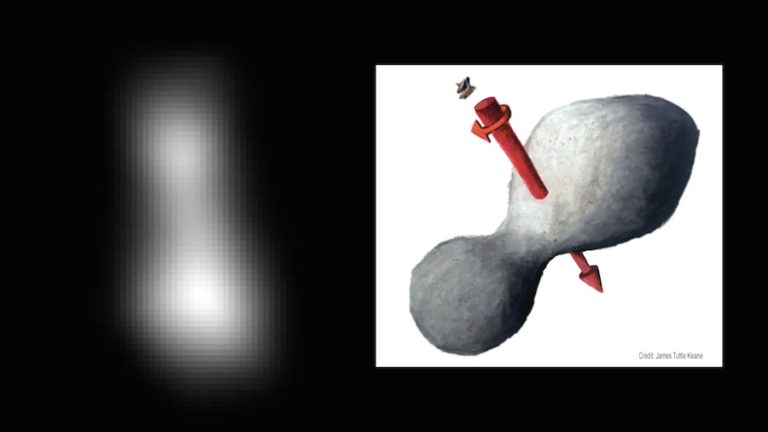
New Horizons scientists elated as Ultima Thule’s shape comes into view
A fresh image from NASA's New Horizons spacecraft released Tuesday showed the mission's distant flyby target a billion miles beyond Pluto -- nicknamed Ultima Thule -- has an elongated shape like that of a peanut shell or a bowling pin, and the prospect of higher-resolution pictures arriving on Earth later in the day had scientists salivating for more.