News Archive
Browse every article published on Spaceflight Now, from launch reports and mission previews to spacecraft development coverage. Use the filters to narrow by topic or search by keyword.
Matching Articles
5 articles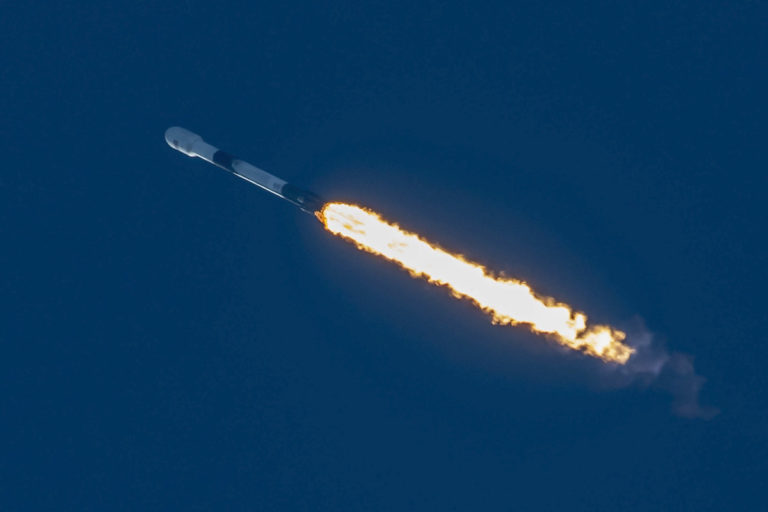
U.S. companies, led by SpaceX, launched more than any other country in 2020
Leading all other nations, U.S. launch providers flew 44 missions in 2020 that aimed to place payloads in Earth orbit or deep space, with 40 successes. China followed with 35 successful orbital missions in 39 launch attempts.
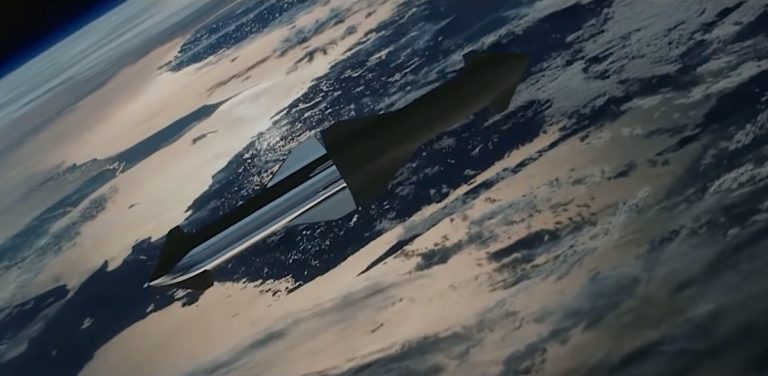
NASA selects proposals to demonstrate in-space refueling and propellant depot tech
NASA has selected 14 companies for contracts of more than $370 million to advance technology for human missions to the moon and Mars. Most of the money will support flight demonstrations by SpaceX, United Launch Alliance, and other companies that could lead to in-space refueling and propellant depots for reusable lunar landers and deep space transportation vehicles.
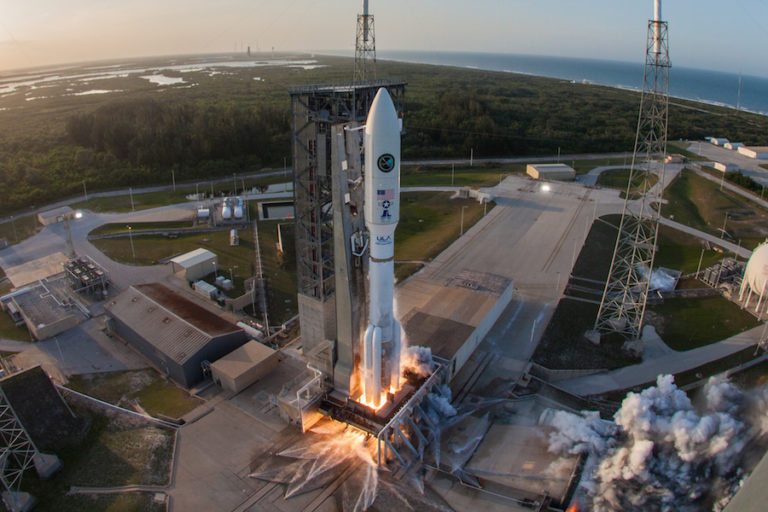
AEHF satellite arrives in Florida for first of nearly 20 Space Force launches this year
The sixth and final satellite in the U.S. military’s network of ultra-secure, nuclear-hardened AEHF communications relay stations has arrived in Florida for final preparations for liftoff in March on a United Launch Alliance Atlas 5 rocket, the first of nearly 20 U.S. Space Force missions planned for launch in the first year of operations for the new military service.
Long March, Soyuz and Falcon rockets topped 2019’s launch leaderboard
China led the world with 34 orbital launch attempts in 2019 — including two failures — followed by 22 flights from Russian-operated launch pads and 21 satellite delivery missions originating from U.S. spaceports, all of which were successful.
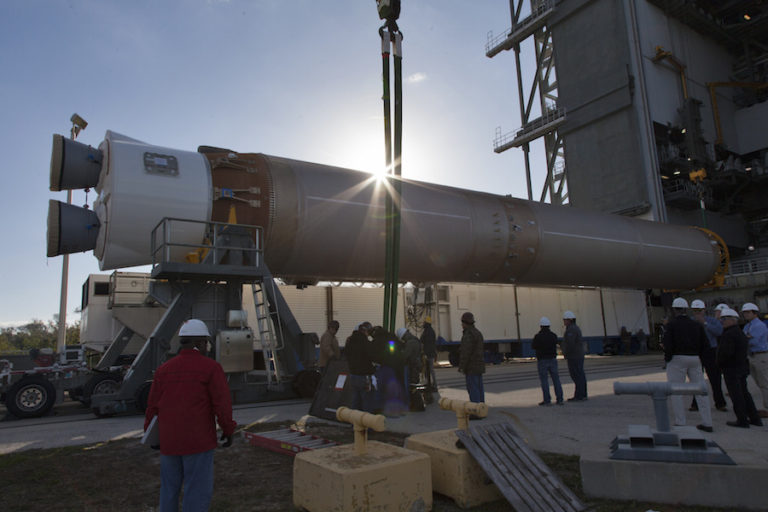
NASA gears up for brisk launch pace, starting with weather satellite
Engineers at NASA's Kennedy Space Center tasked with overseeing launches of scientific satellites and interplanetary probes will be responsible later this year for ensuring six major missions safely get into space over a span of a little more than six months, beginning with the launch of NOAA's new GOES-S weather observatory on an Atlas 5 rocket March 1.