News Archive
Browse every article published on Spaceflight Now, from launch reports and mission previews to spacecraft development coverage. Use the filters to narrow by topic or search by keyword.
Matching Articles
447 articles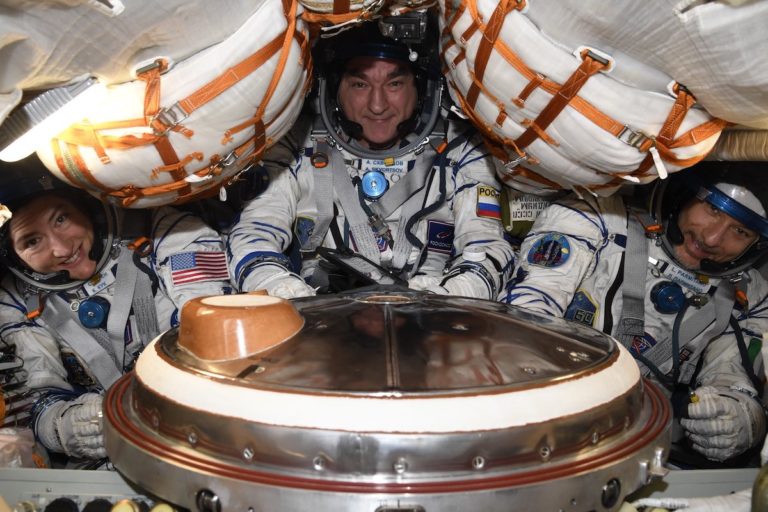 Video
Live coverage: Space station crew safely returns to Earth
The Russian Soyuz MS-13 spacecraft departed the International Space Station and landed in Kazakhstan Thursday, bringing home outgoing space station commander Luca Parmitano, Soyuz pilot Alexander Skvortsov, and NASA astronaut Christina Koch, who concluded a 328-day mission, the longest-ever spaceflight by a woman. The Soyuz undocked from the station at 0550 GMT (12:50 a.m. EST) Thursday, then landed on the Kazakh steppe at 0912 GMT (4:12 a.m. EST).
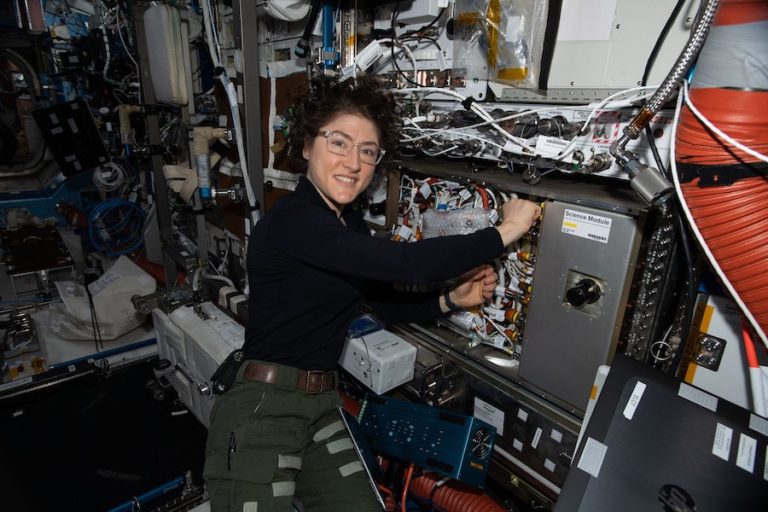
Koch heads home after record-setting mission
Christina Koch, veteran of six spacewalks outside the International Space Station -- including the first all-female excursion -- will join a Russian commander and an Italian flight engineer for a fiery plunge back to Earth early Thursday, setting a new world record for the longest single flight by a female astronaut.
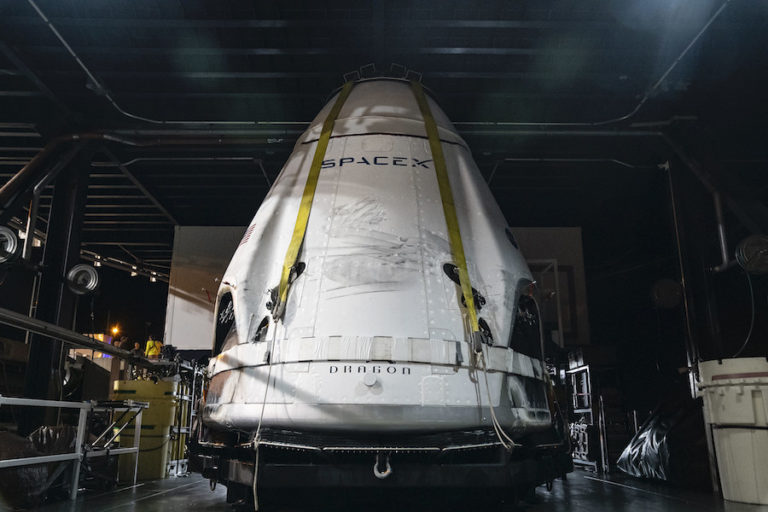
SpaceX releases preliminary results from Crew Dragon abort test
Data from the Jan. 19 in-flight launch escape demonstration of SpaceX's Crew Dragon spacecraft indicate the performance of the capsule's SuperDraco abort engines was "flawless" as the thrusters boosted the ship away from the top of a Falcon 9 rocket with a peak acceleration of about 3.3Gs, officials said Thursday.
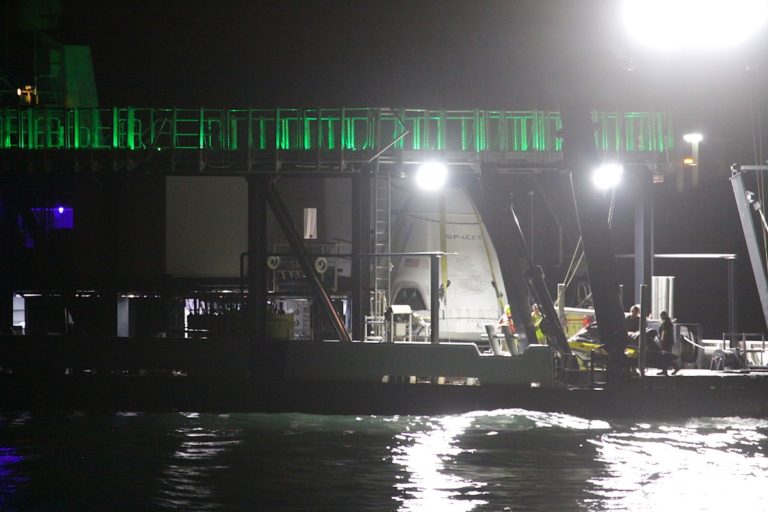
Photos: Crew Dragon returns to port after in-flight abort test
Loaded onto a SpaceX recovery ship, the Crew Dragon capsule that performed a successful in-flight abort test Sunday over Florida's Space Coast pulled into Port Canaveral hours later after being retrieved from the Atlantic Ocean.
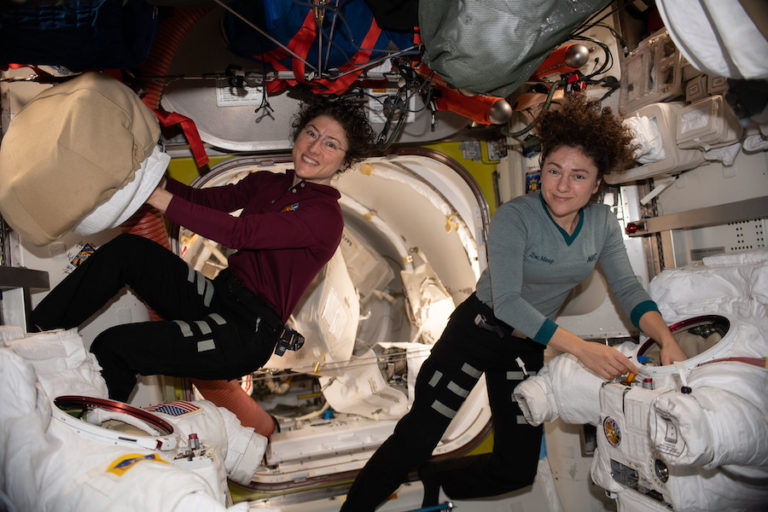
Spacewalkers complete another round of solar array battery replacements
It took NASA more than 50 years to stage its first all-female spacewalk last October. It took three months before the second on Jan. 15 and just five days more for the third on Monday, a successful six-hour 58-minute excursion to finish installing a set of new solar array batteries aboard the International Space Station.
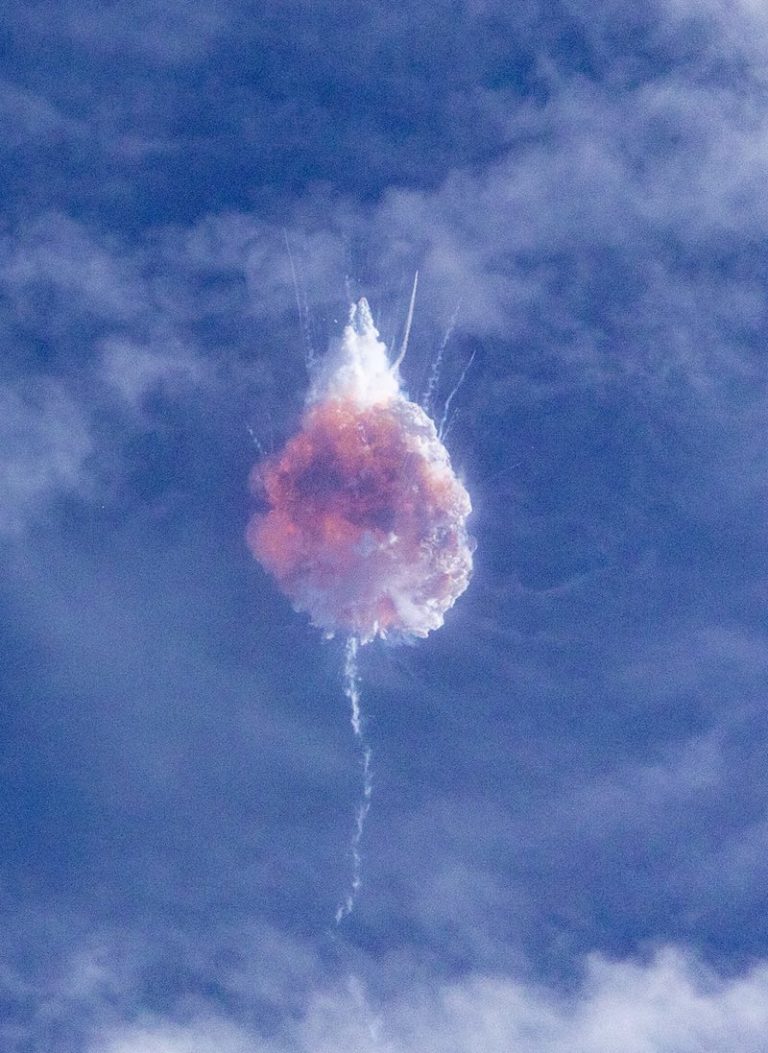
Photos: SpaceX purposely fails rocket to test crew capsule safety system
SpaceX simulated an in-flight emergency Sunday to verify the company's Crew Dragon spacecraft has the capability to catapult away from a failing Falcon 9 rocket.
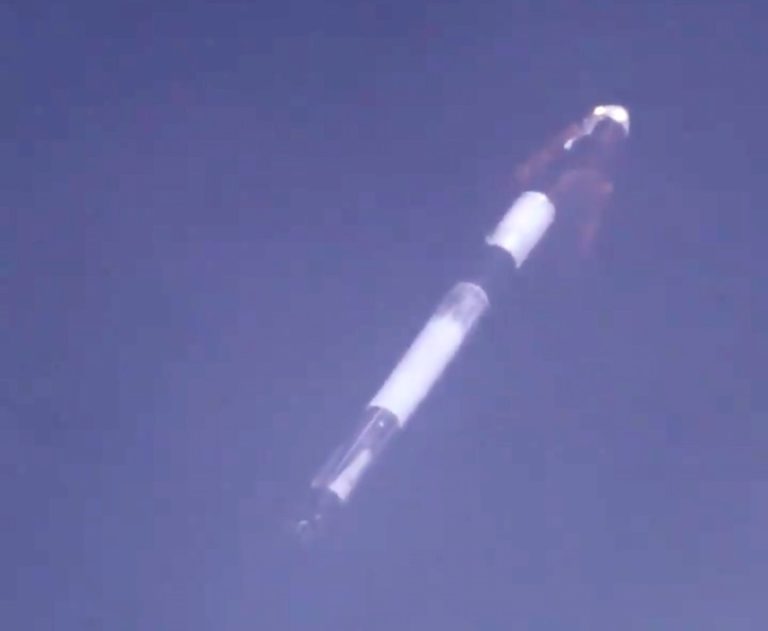
SpaceX aces final major test before first crew mission
SpaceX performed a dramatic high-altitude test flight Sunday of the company's Crew Dragon capsule over Florida's Space Coast, testing the human-rated ship's ability to escape a rocket failure and save its crew before two NASA astronauts strap in for a flight to the International Space Station as soon as this spring.
 Video
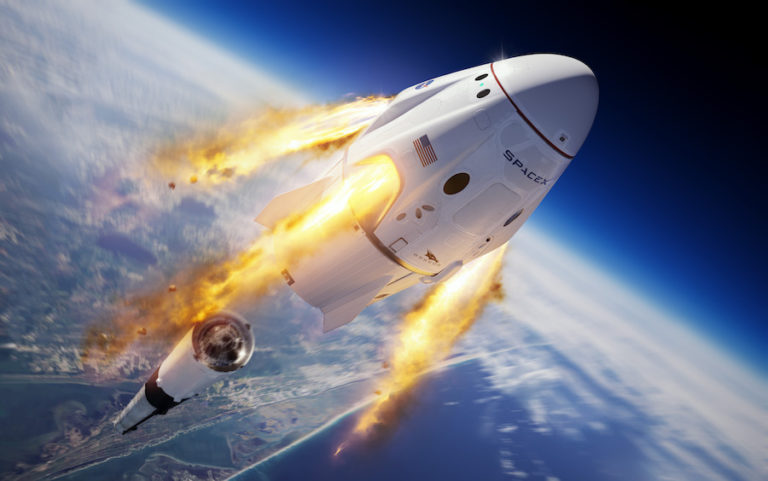
SpaceX will trigger an intentional rocket failure to prove crew capsule’s safety
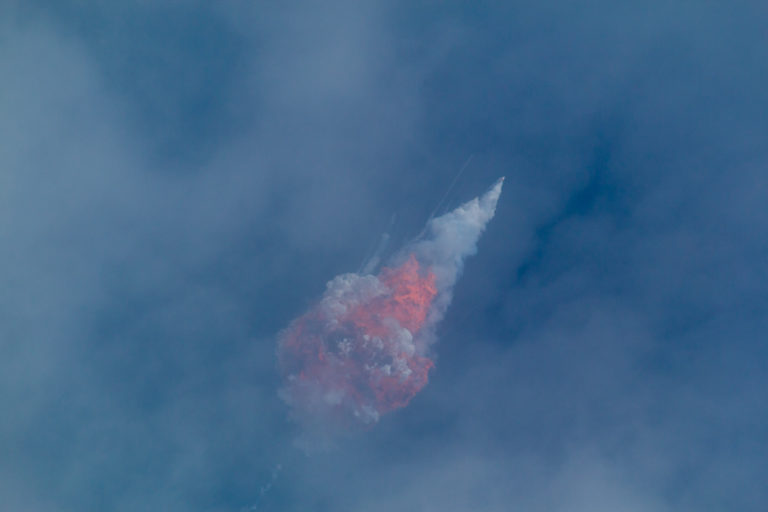
SpaceX will sacrifice a Falcon 9 rocket Sunday in a fiery test a minute-and-a-half after liftoff from Florida’s Space Coast to prove the company’s Crew Dragon spacecraft can safely push astronauts away from a failing launch vehicle, simulating a daring maneuver that would only be attempted on a piloted mission during an in-flight emergency.
Pending test outcomes, NASA says SpaceX could launch astronauts in early March
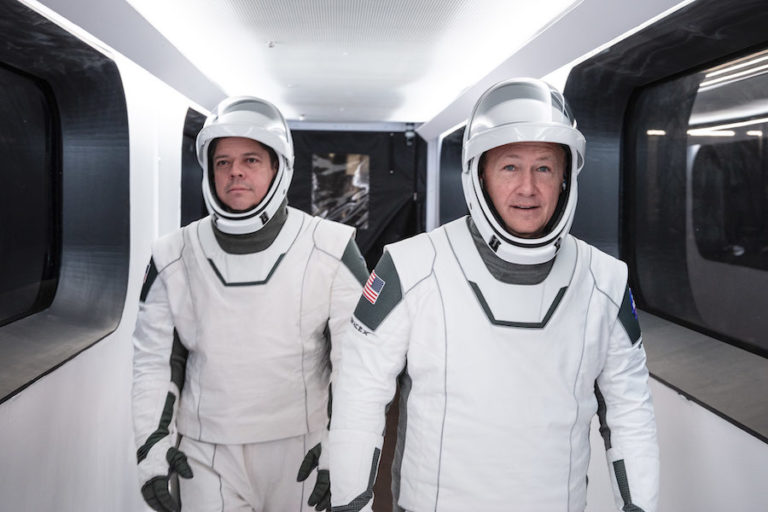
A NASA official said Friday that SpaceX's Crew Dragon spacecraft could be ready to ferry astronauts Doug Hurley and Bob Behnken to the International Space Station as soon as early March, pending the results from a major demonstration of the ship's launch abort system this weekend, a pair of parachute drop tests, and space station crew schedules.
 Video
Live coverage: SpaceX successfully performs Crew Dragon abort test
SpaceX launched an unpiloted Crew Dragon spacecraft aboard a Falcon 9 rocket from pad 39A at the Kennedy Space Center at 10:30 a.m. EST (1530 GMT) Sunday. SpaceX triggered an escape maneuver using the Dragon's thrusters about a minute-and-a-half after liftoff to verify the launch abort engines can safely carry the capsule -- and astronauts on future missions -- away from a failing rocket.