News Archive
Browse every article published on Spaceflight Now, from launch reports and mission previews to spacecraft development coverage. Use the filters to narrow by topic or search by keyword.
Matching Articles
544 articles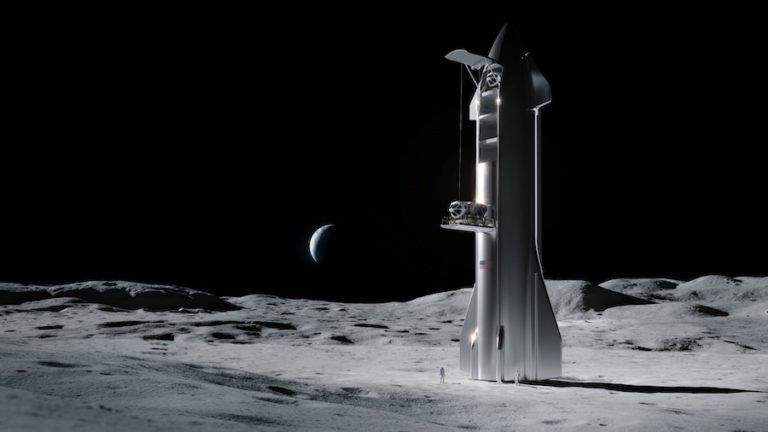
SpaceX offering Starship to NASA for lunar landing missions
SpaceX is eligible to propose using its next-generation Starship vehicle to carry NASA robotic science payloads to the lunar surface, the U.S. space agency announced Monday, on missions that could precede future Starship flights with people on-board. SpaceX is one of five companies NASA selected Monday to join a roster of commercial transportation providers to deliver scientific instruments and technology demonstration packages to the moon as soon as 2022.
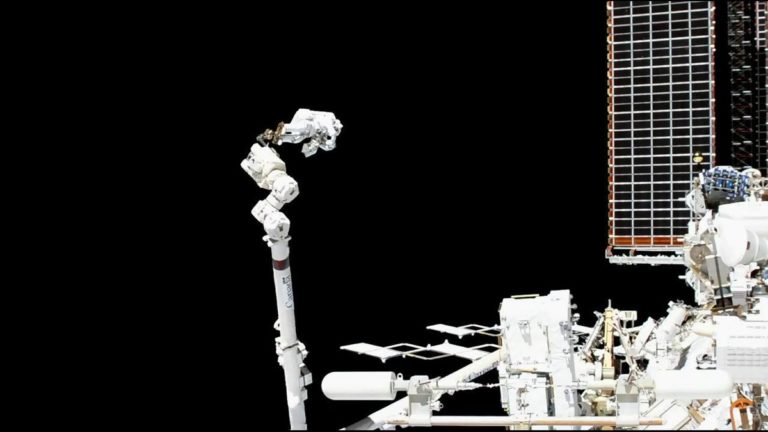
Astronauts complete bonus objectives in first in series of AMS repair spacewalks
Two astronauts ventured outside the International Space Station Friday for the first of four spacewalks to repair a $2 billion cosmic ray detector, breezing through work to prep the device for invasive surgery to splice in new coolant pumps and extend the instrument's life probing the composition of the universe.
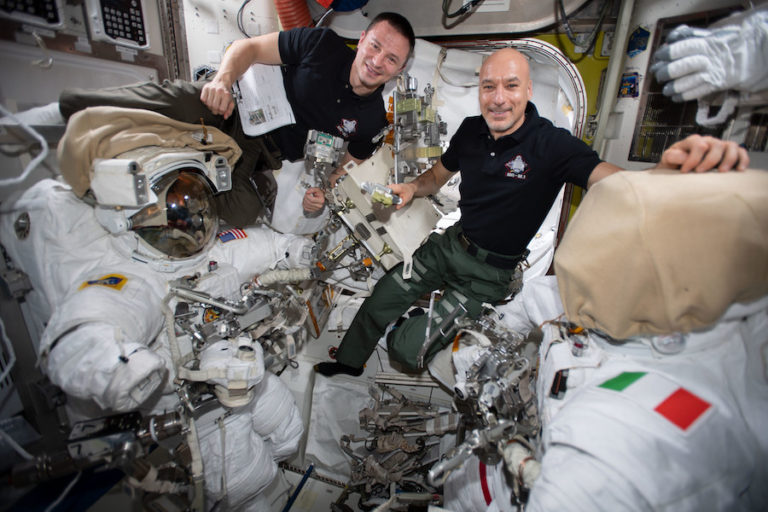
Complex spacewalk repair work begins Friday
After four years of brainstorming, custom tool development and training, two astronauts plan to venture outside the International Space Station Friday for the first of four spacewalks to repair a $2 billion cosmic ray detector. The excursions are considered the most challenging since work to service the Hubble Space Telescope.

SpaceX fires up Crew Dragon thrusters in key test after April explosion
SpaceX test-fired the Crew Dragon spacecraft's eight SuperDraco abort engines Wednesday at Cape Canaveral, paving the way for a high-altitude rocket escape test and demonstrating engineers have apparently fixed the problem that triggered an explosion during a similar ground firing in April.
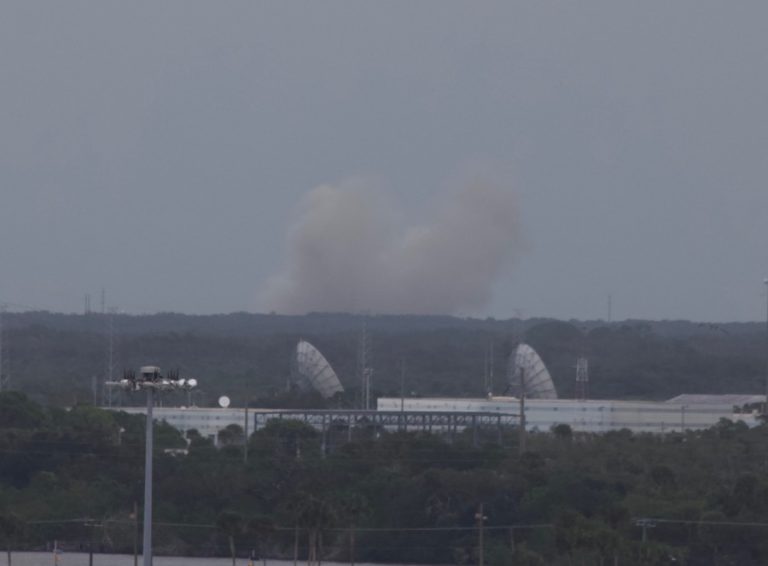
Video: Crew Dragon tests abort thrusters at Cape Canaveral
SpaceX conducted a static fire test of the SuperDraco abort thrusters on the company's Crew Dragon spacecraft Wednesday afternoon at Cape Canaveral Air Force Station.
Next three-man Soyuz crew training to have space station to themselves
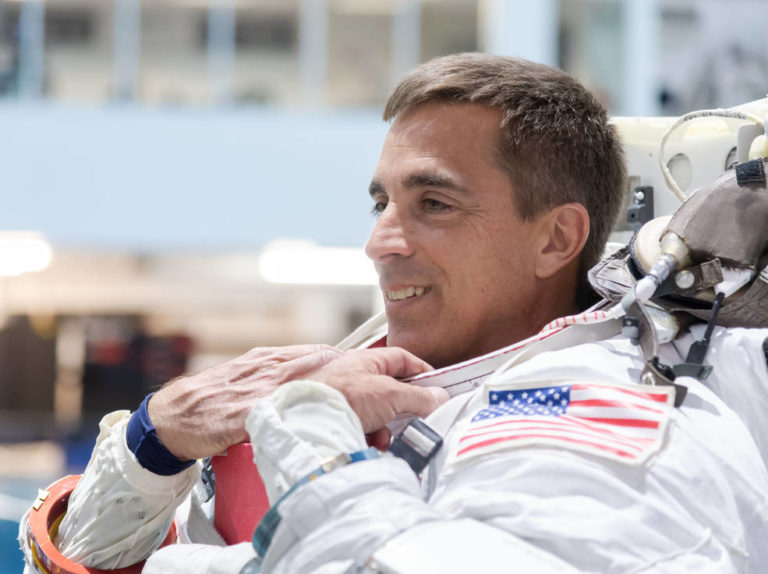
The next three-man crew to launch on a Soyuz rocket -- comprising two Russian cosmonauts and a veteran NASA astronaut -- is training to have the International Space Station to themselves after their arrival at the orbiting research outpost in April, at least until new U.S. commercial crew ships enter service.
Repair equipment for particle physics experiment aboard next station cargo launch
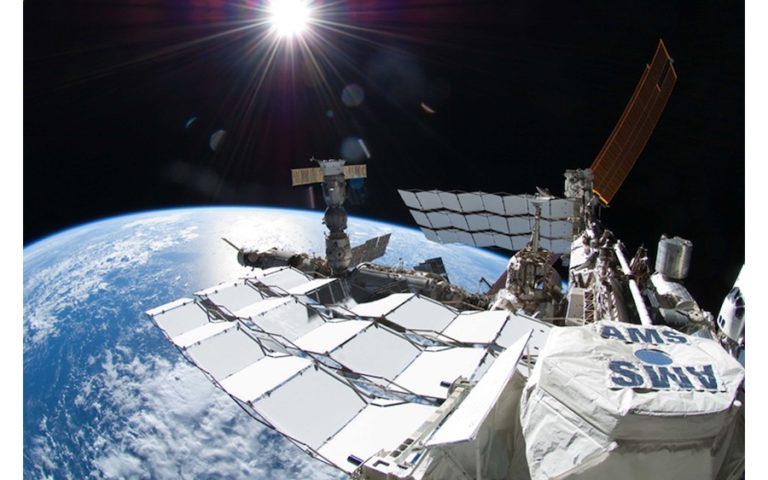
Northrop Grumman's Cygnus supply ship set for liftoff Saturday will deliver to the International Space Station the final hardware for a series of ambitious spacewalks later this month to install a new coolant system on the Alpha Magnetic Spectrometer, a $2 billion particle physics experiment seeking the cosmic signatures of dark matter and antimatter.
NASA’s VIPER rover in development for scouting mission to moon’s south pole
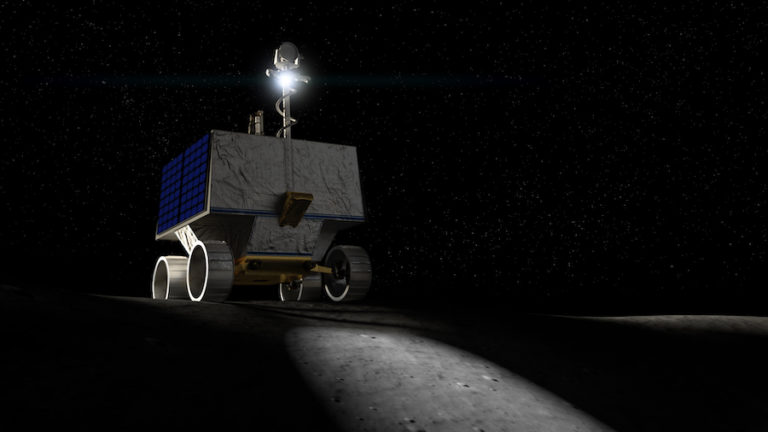
Building on a mission canceled last year, NASA is developing a mobile robot named VIPER for launch in 2022 to scout for water ice at the moon's south pole, the same region where the agency aims to land astronauts by 2024.
Bridenstine says NASA not holding up commercial crew schedule
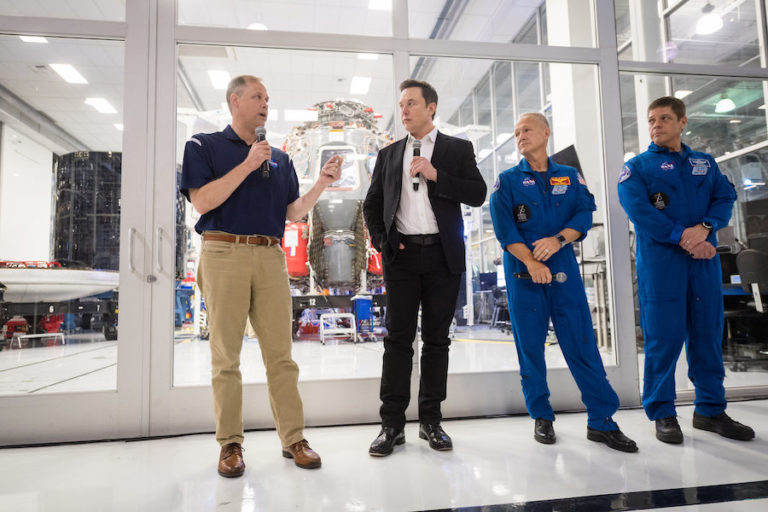
NASA Administrator Jim Bridenstine said this week the space agency is not unduly delaying the debut of new SpaceX and Boeing commercial crew capsules as engineers gear up for a challenging rapid-fire sequence of test flights in the next few months, all against the backdrop of in-depth safety reviews before clearing the privately-owned ships to carry astronauts.
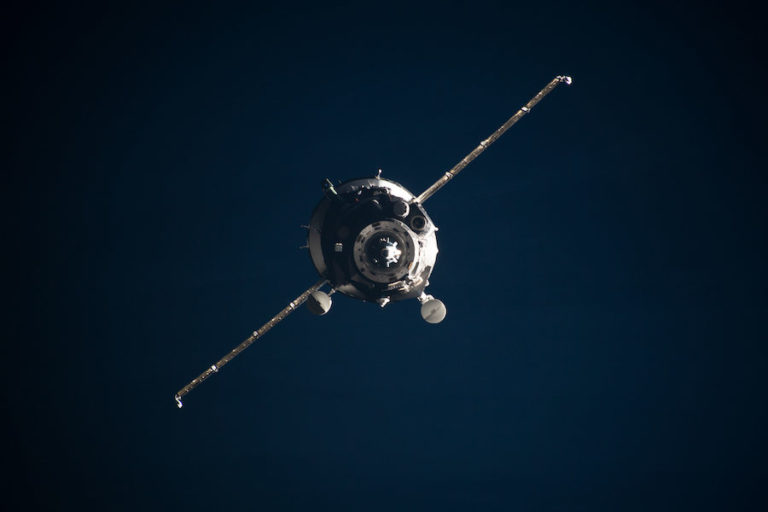
NASA likely to buy Soyuz seats, defer Japanese astronaut flight
With lingering uncertainly about when new commercial crew spaceships will be ready to launch humans, NASA Administrator Jim Bridenstine said Thursday the space agency will replace a Japanese astronaut with a U.S. space flier on the next Russian Soyuz launch to the International Space Station. He added that it remains in NASA's interests to pay Russia for one or more additional Soyuz seats next year to ensure the station remains continuously staffed with at least one American.