News Archive
Browse every article published on Spaceflight Now, from launch reports and mission previews to spacecraft development coverage. Use the filters to narrow by topic or search by keyword.
Matching Articles
405 articles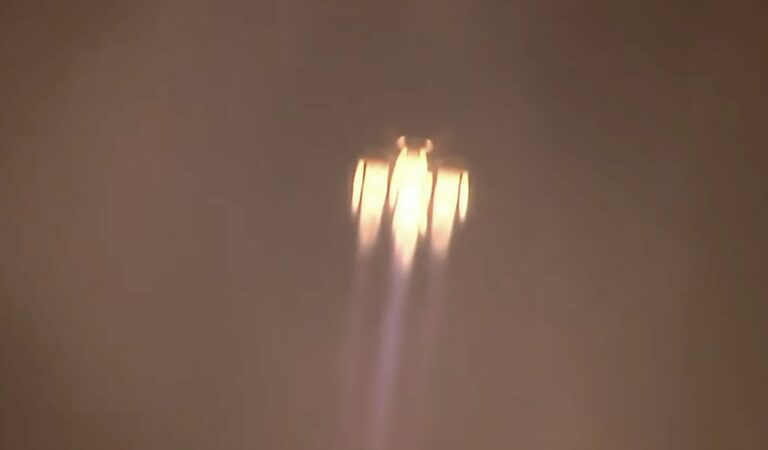 Video
Live coverage: Replacement Soyuz arrives at space station
Two months after a coolant leak disabled a Soyuz crew ferry spacecraft at the International Space Station, Russia's space agency launched of a replacement vehicle from the Baikonur Cosmodrome in Kazakhstan Thursday, and the craft docked at the station at 7:58 p.m. EST Saturday (0058 GMT Sunday). The Soyuz MS-23 spacecraft launched without any people on-board, and will serve as a lifeboat and ride home for a three-man space station crew later this year.
 Video
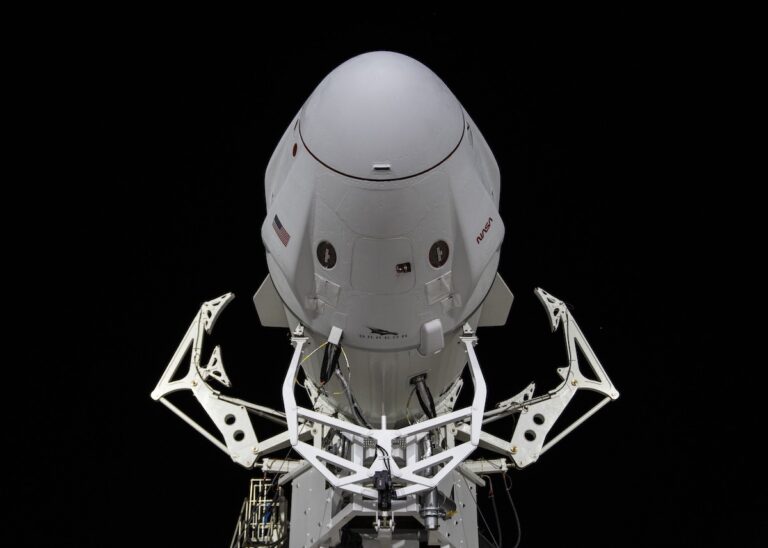
Photos: Falcon 9 and Crew Dragon roll out to pad 39A
SpaceX transported a Falcon 9 rocket with the Crew Dragon Endeavour spacecraft to pad 39A on Wednesday, Feb. 22, for final preparations to carry a four-man crew to the International Space Station on NASA's Crew-6 mission.
 Video
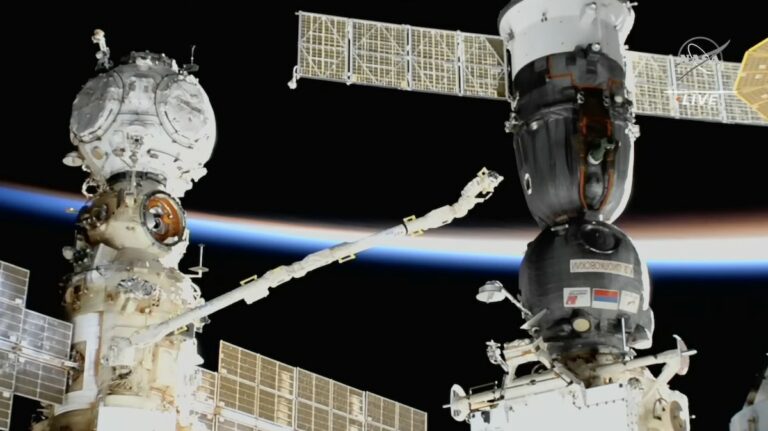
Live coverage: Mission control evaluating coolant leak on Soyuz spacecraft
Russian engineers are evaluating an apparent coolant leak coming from the Soyuz MS-22 crew ferry ship docked to the International Space Station. The leak was discovered around 7:45 p.m. EST Wednesday (0045 GMT Thursday) and forced the cancellation of a planned spacewalk by two Russian cosmonauts.
 Video
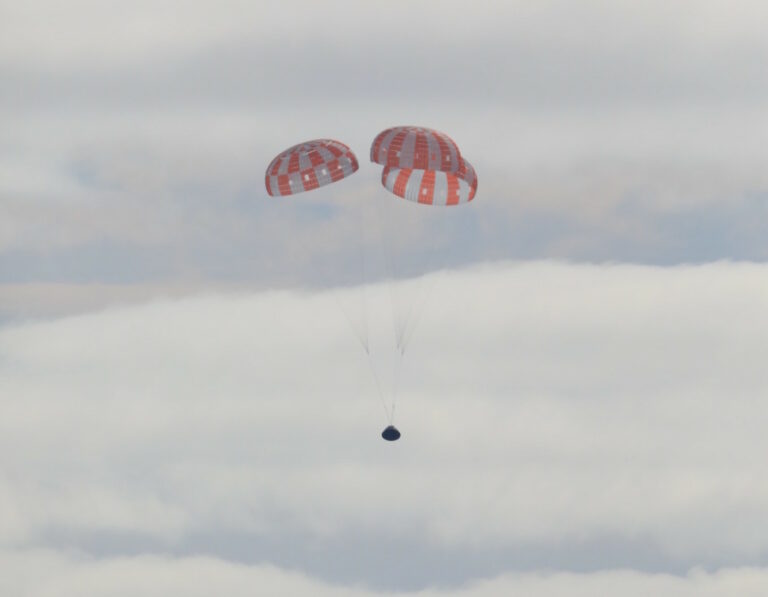
Live coverage: NASA’s Orion spacecraft splashes down after moon mission
NASA's unpiloted Orion spacecraft re-entered Earth's atmosphere at 32 times the speed of sound Sunday, surviving a fiery-hot descent before deploying parachutes and splashing down in the Pacific Ocean west of Baja California at 12:40 p.m. EST (1740 GMT). The Orion capsule successfully completed NASA's Artemis 1 mission, a precursor to future astronaut missions on the spacecraft.
 Video
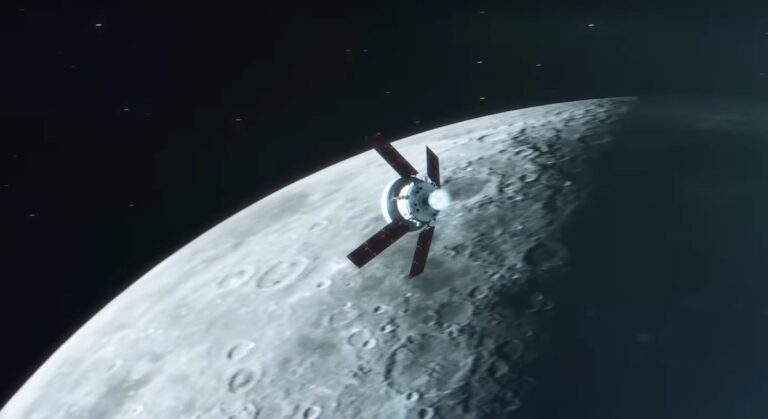
Live coverage: Orion spacecraft completes return powered flyby of the moon
NASA's Orion spacecraft successfully fired its main engine for three-and-a-half minutes at 11:43 a.m. EST (1643 GMT) Monday as it flew 80 miles from the surface of the moon, redirecting the capsule's trajectory for the return trip to Earth to wrap up the Artemis 1 test flight.
 Video
Live coverage: Falcon 9 lifts off with Dragon cargo capsule
After a launch attempt earlier in the week was scrubbed due to bad weather, SpaceX sent a Dragon cargo capsule toward the International Space Station Saturday with nearly four tons of supplies and experiments. Liftoff on a Falcon 9 rocket from Kennedy Space Center occurred at 2:20 p.m. EST (1920 GMT).
 Video
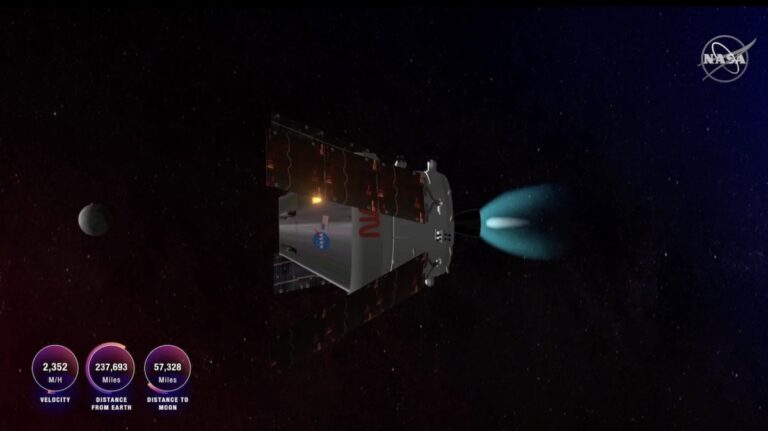
Live coverage: Orion capsule completes distant retrograde orbit insertion burn
Another major engine burn on NASA's Artemis 1 mission placed the Orion spacecraft into a distant retrograde orbit around the moon, where it will spend six days performing more tests and demonstrations before returning to Earth. The 88-second burn by Orion's main engine occurred at 4:52 p.m. EST (2152 GMT) Friday.
 Video
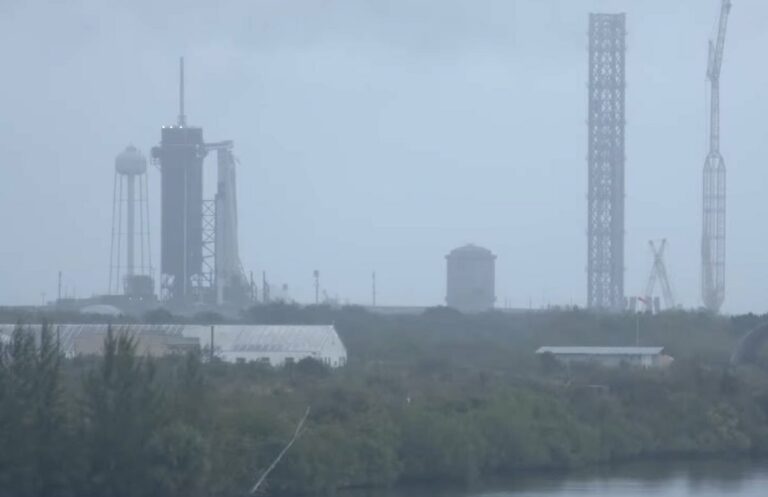
SpaceX resupply launch to space station delayed until Saturday
SpaceX called off a launch attempt Tuesday due to bad weather at Kennedy Space Center, delaying until Saturday the start of a resupply mission to the International Space Station.
 Video
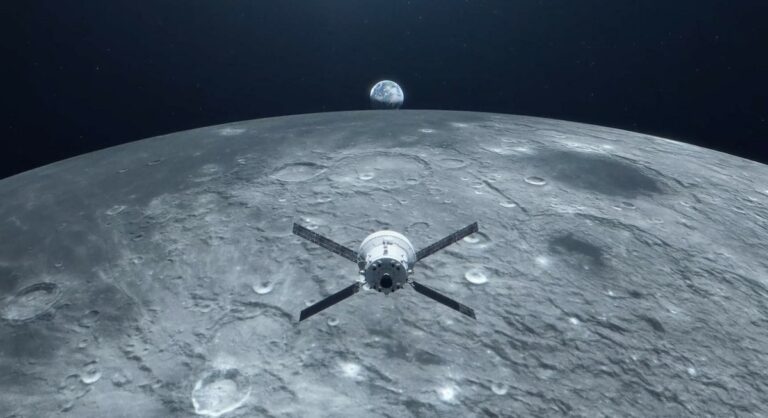
Live coverage: Orion spacecraft slingshots by the moon
NASA's Orion spacecraft fired its main engine at 7:44 a.m. EST (1244 GMT) Monday and flew just 81 miles from the lunar surface in a maneuver designed to set up for the capsule's insertion into a distant retrograde orbit around the moon later this week.
 Video
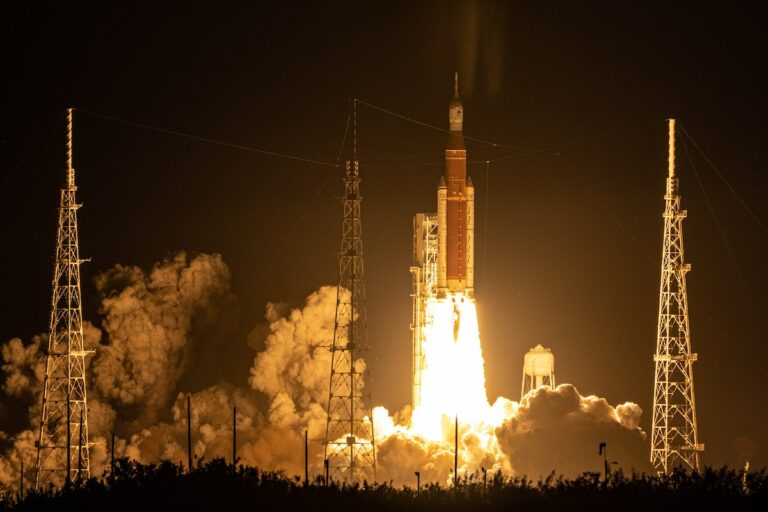
Live coverage: NASA’s Artemis 1 moon mission finally underway
NASA's oft-delayed Artemis 1 lunar test flight finally got off the ground at 1:47 a.m. EST (0647 GMT) Wednesday with the inaugural blastoff of NASA's huge Space Launch System moon rocket from Kennedy Space Center. The unpiloted demonstration mission will pave the way for future human missions to the moon.